As co-founders of the HADCO Group, the Hadad brothers bring vision and a deep-rooted dedication to environmental sustainability and cultural preservation.
John Hadad is the co-founder of HADCO Experiences, a destination management company located in Trinidad and Tobago specializing in eco-conscious luxury tourism that connects travelers to the rich biodiversity, cultural heritage, and natural beauty of these special islands. More than just a business leader, he is a passionate advocate for sharing the magic of Trinidad and Tobago with the world.
A graduate of Queen’s University in Ontario, Canada, with a degree in Engineering Physics, John began his career at Schlumberger International before stepping into leadership roles in manufacturing. In 1992, he co-founded HADCO Limited with his two brothers, laying the foundation for a company that would grow and diversify across several manufacturing and servicing industries. But beyond business, John’s heart has always been in nature—exploring, preserving, and sharing it.
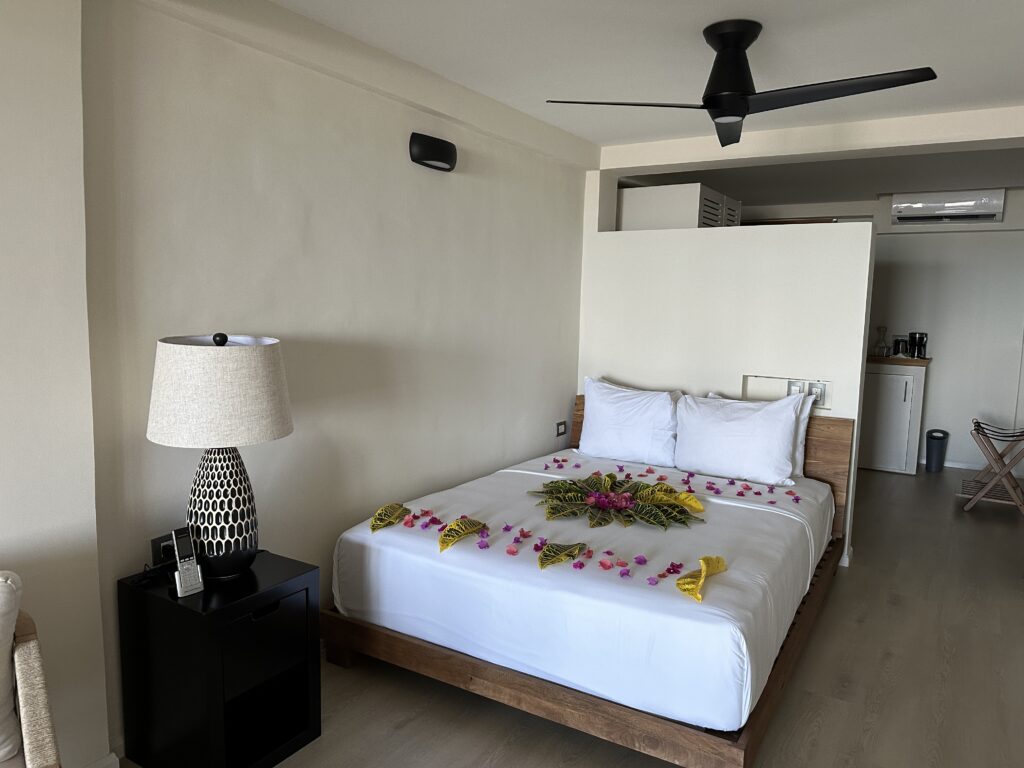
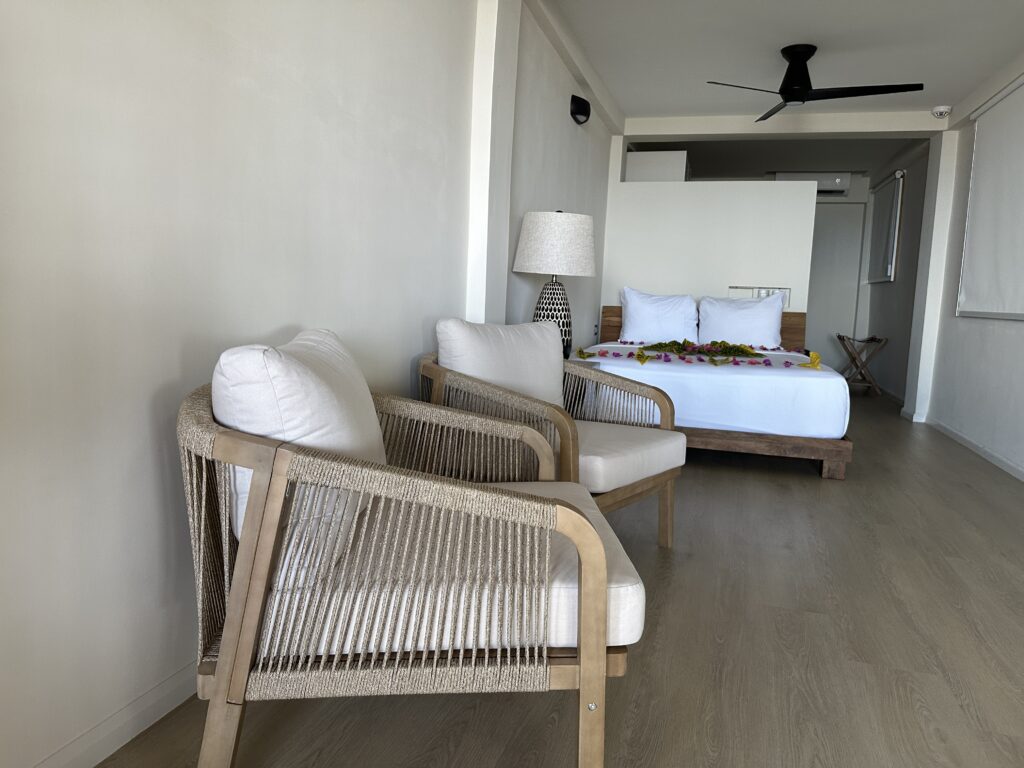
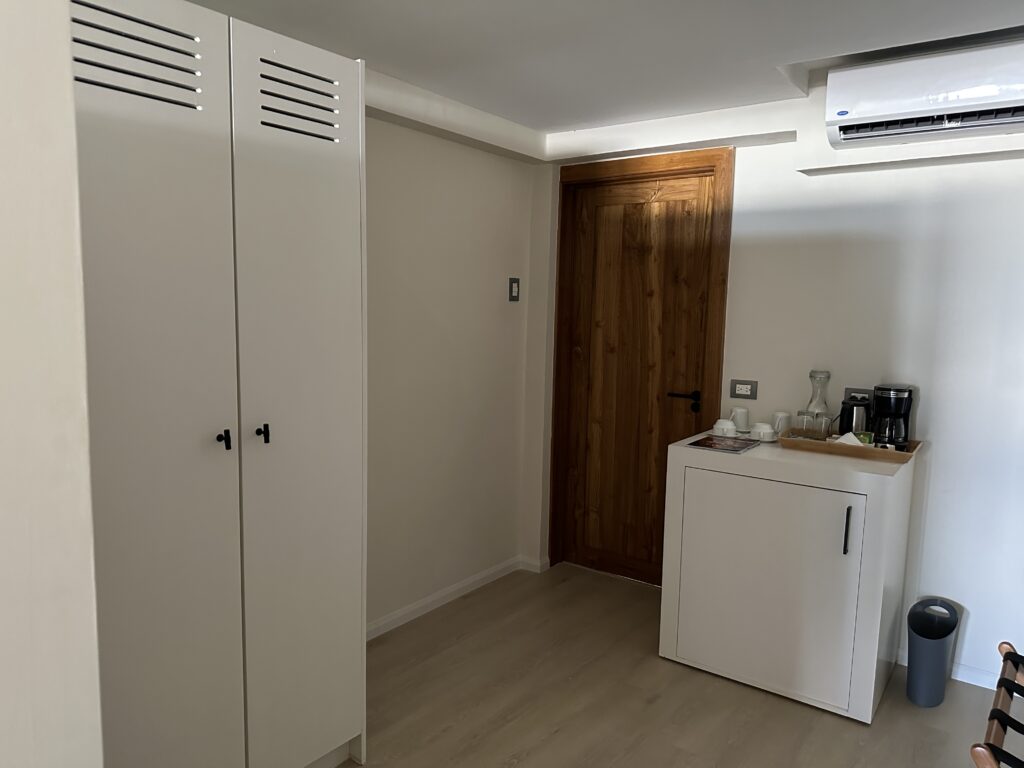
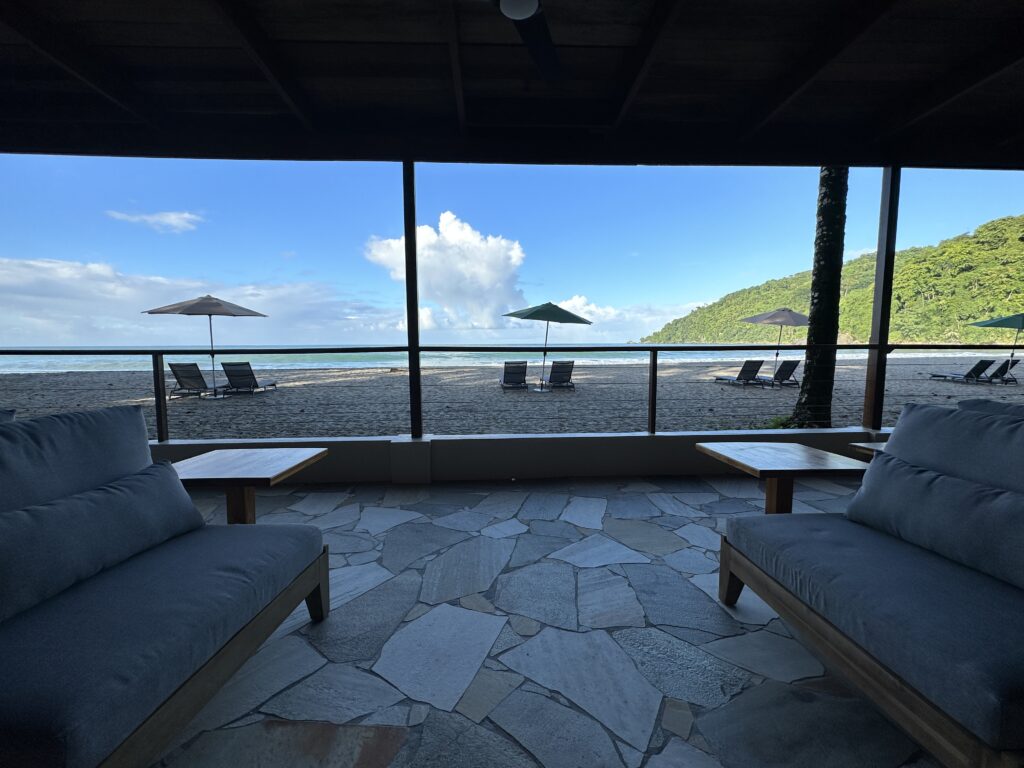
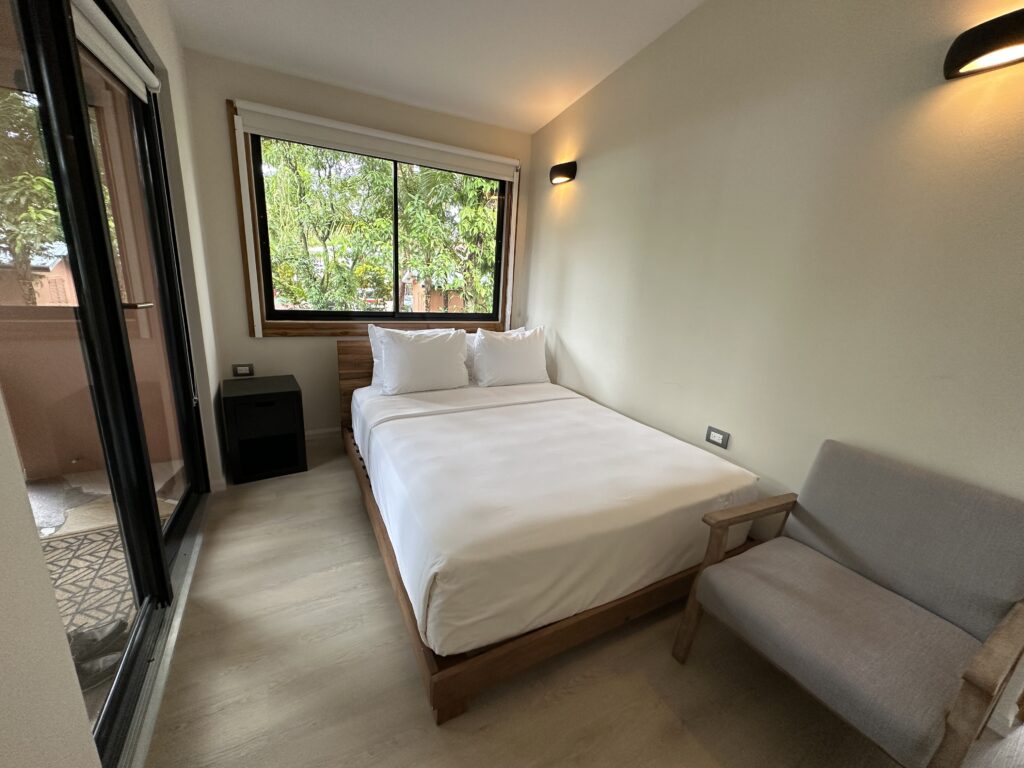
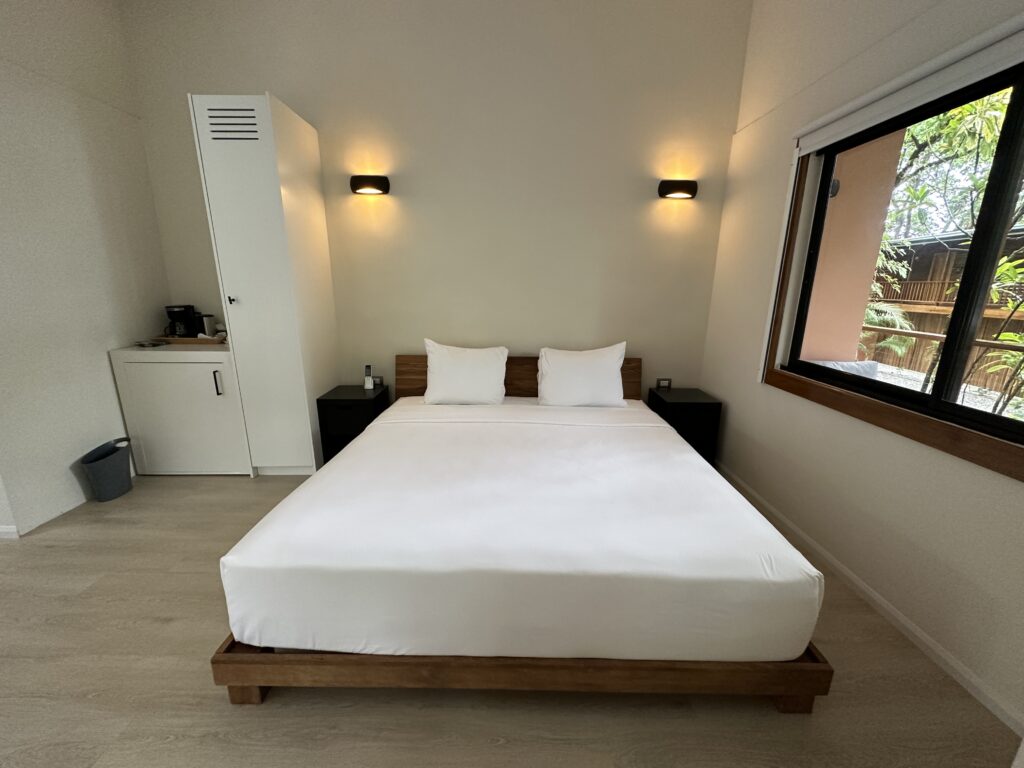
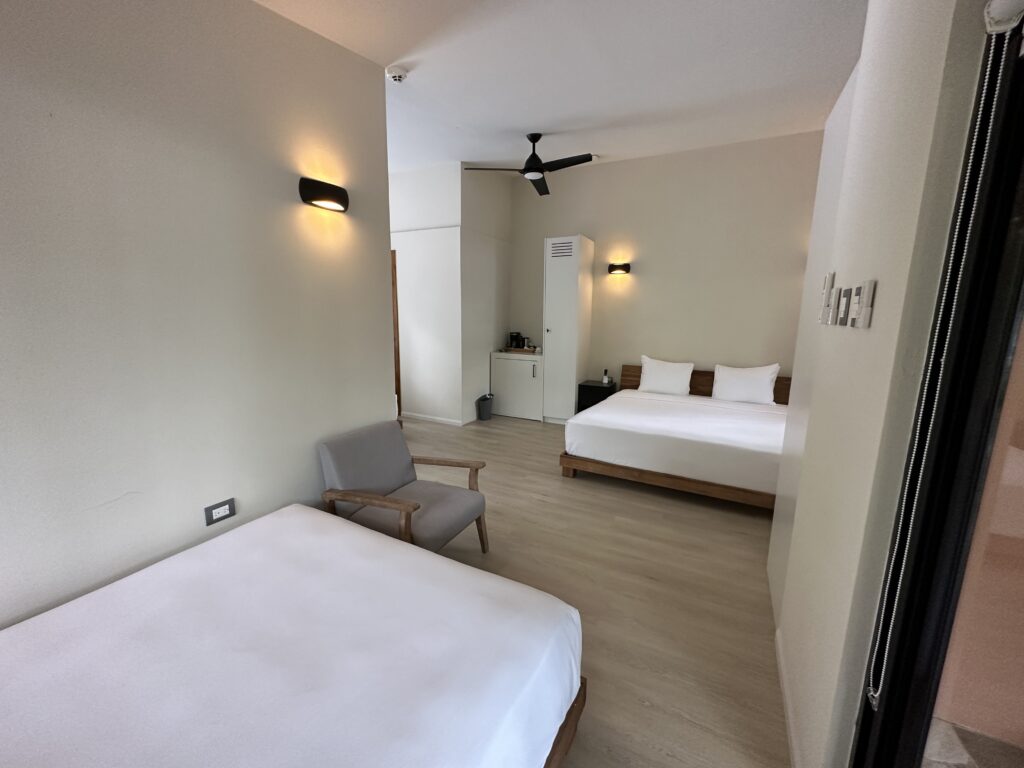
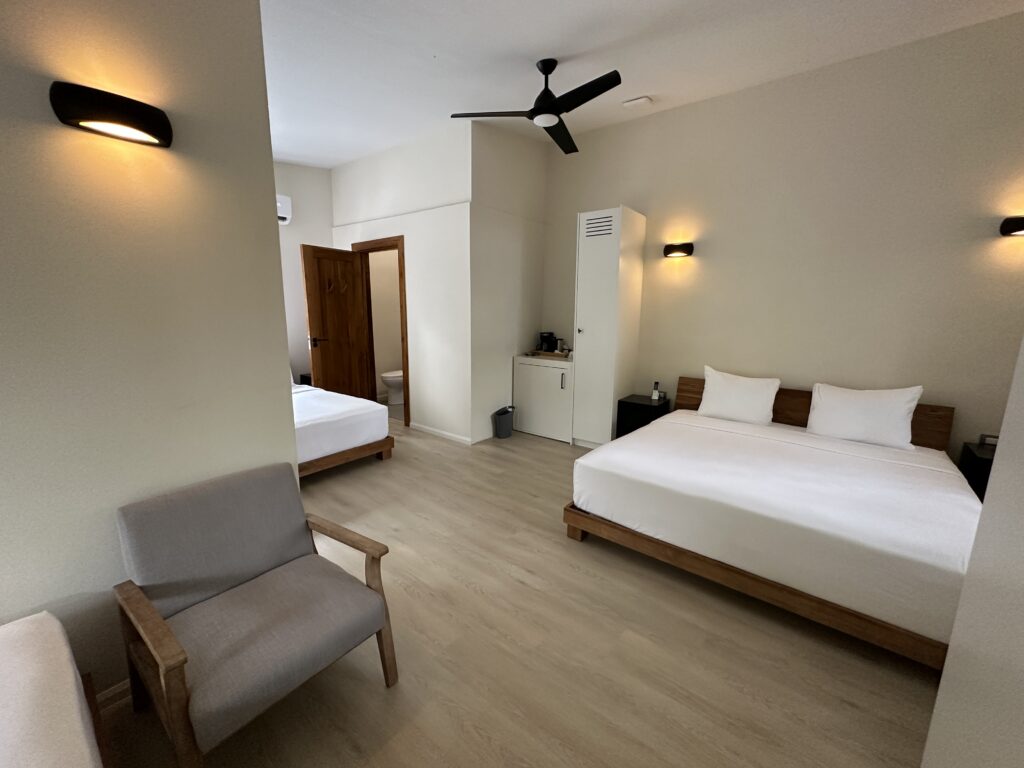
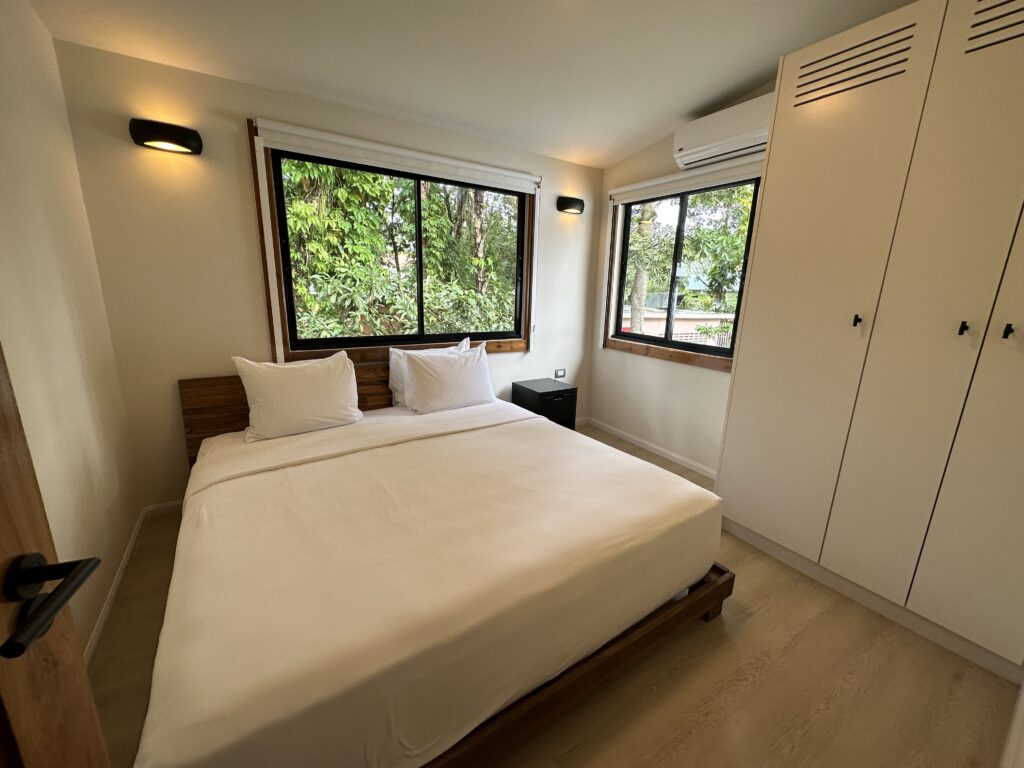
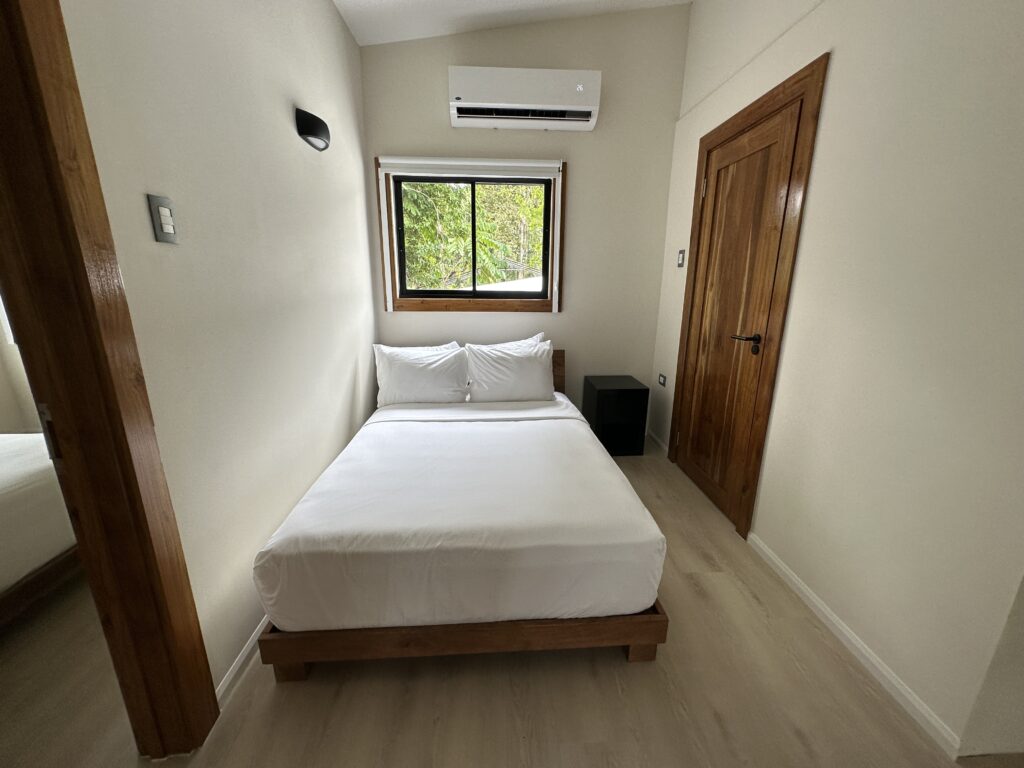
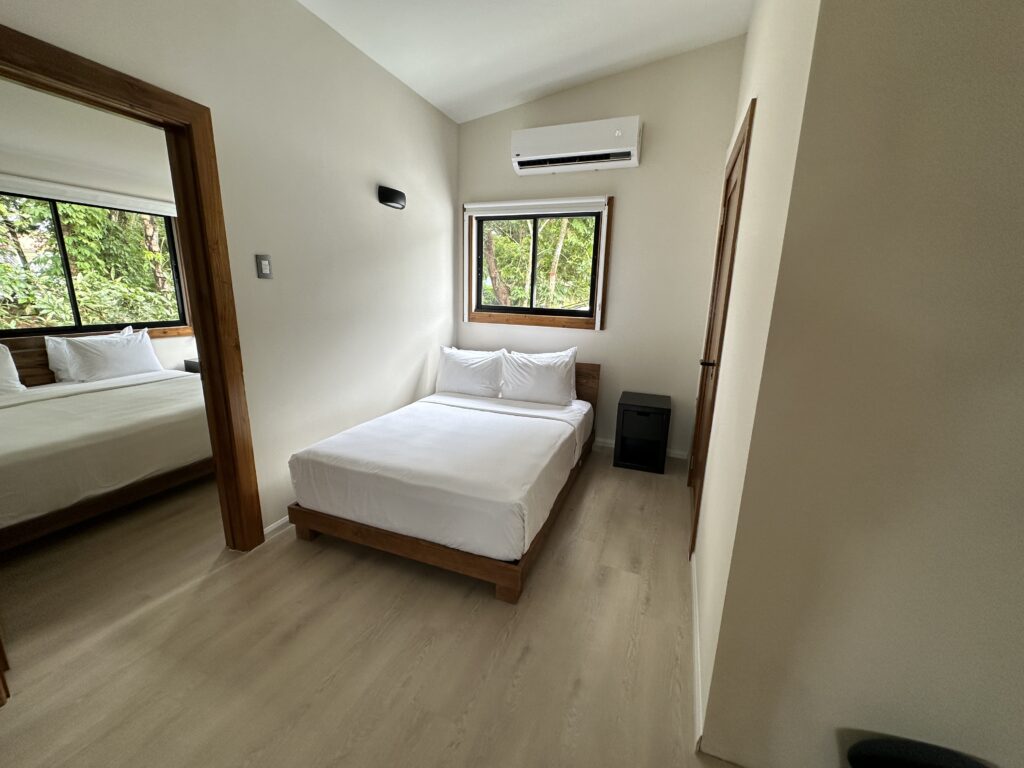
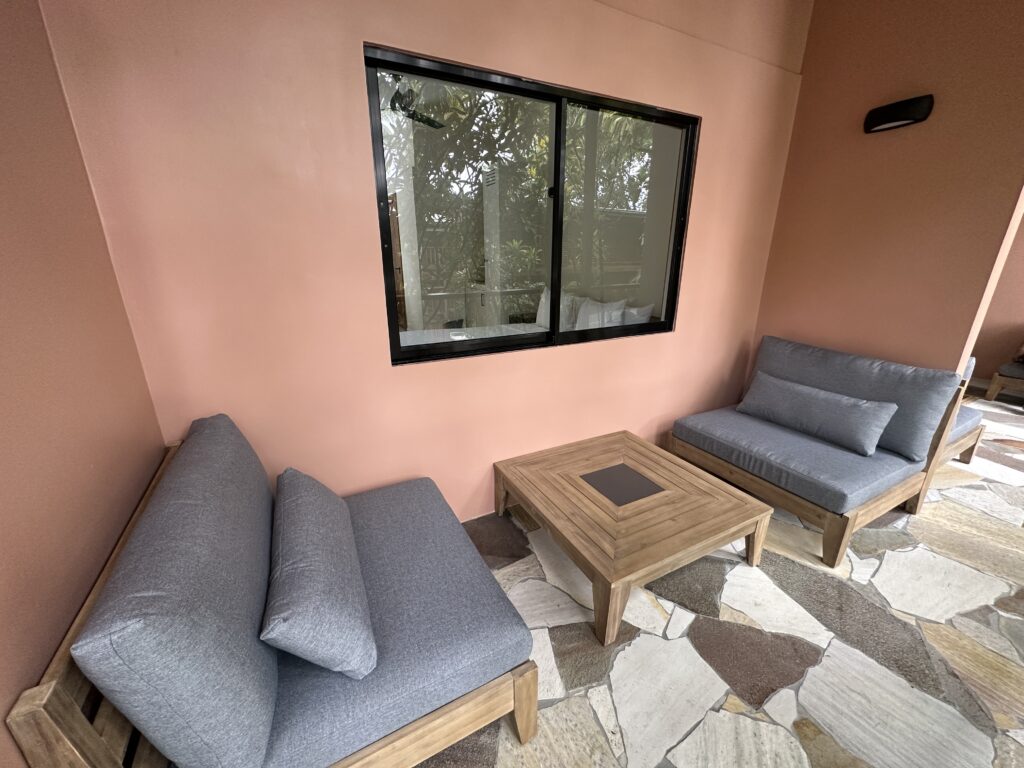
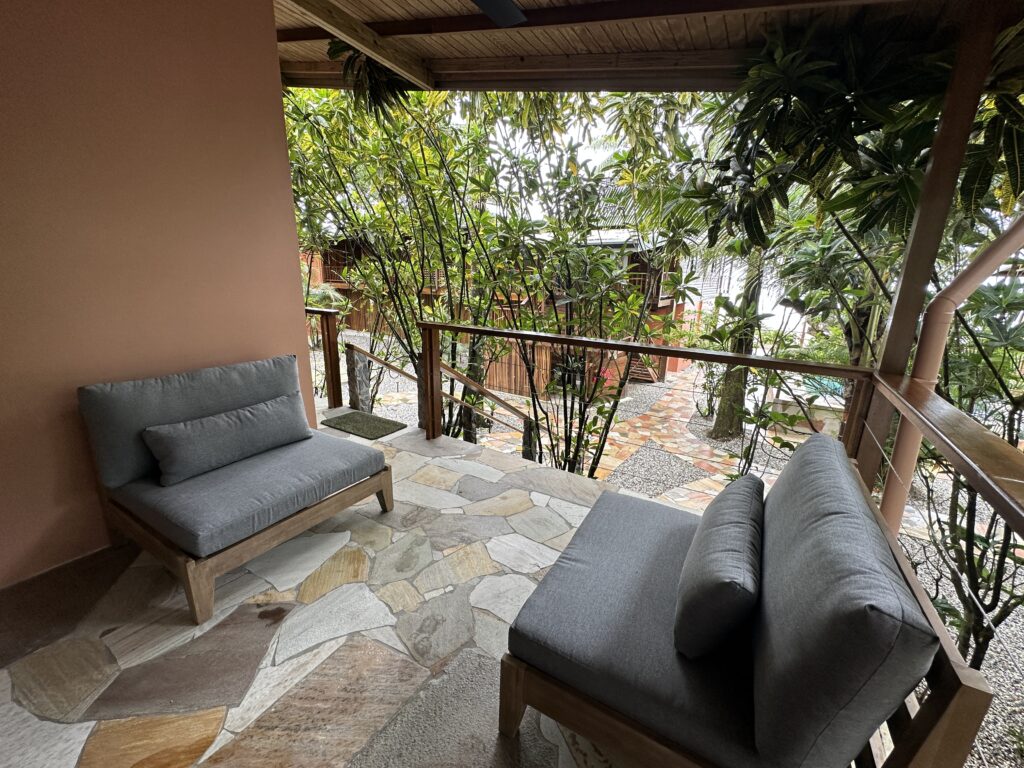
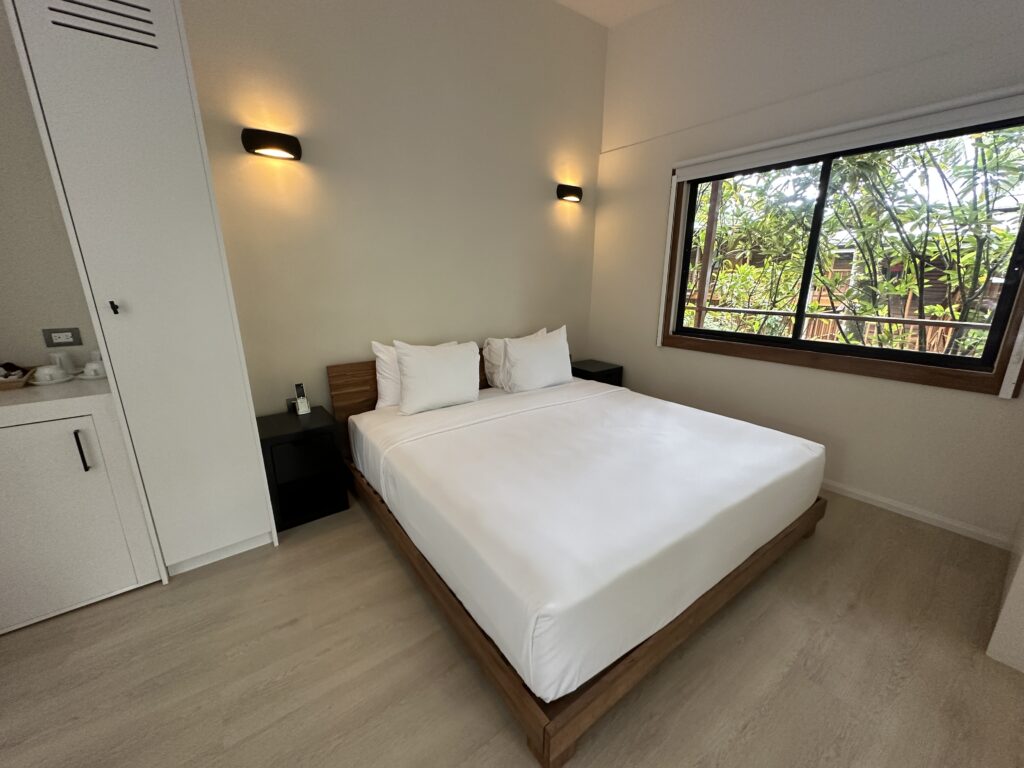
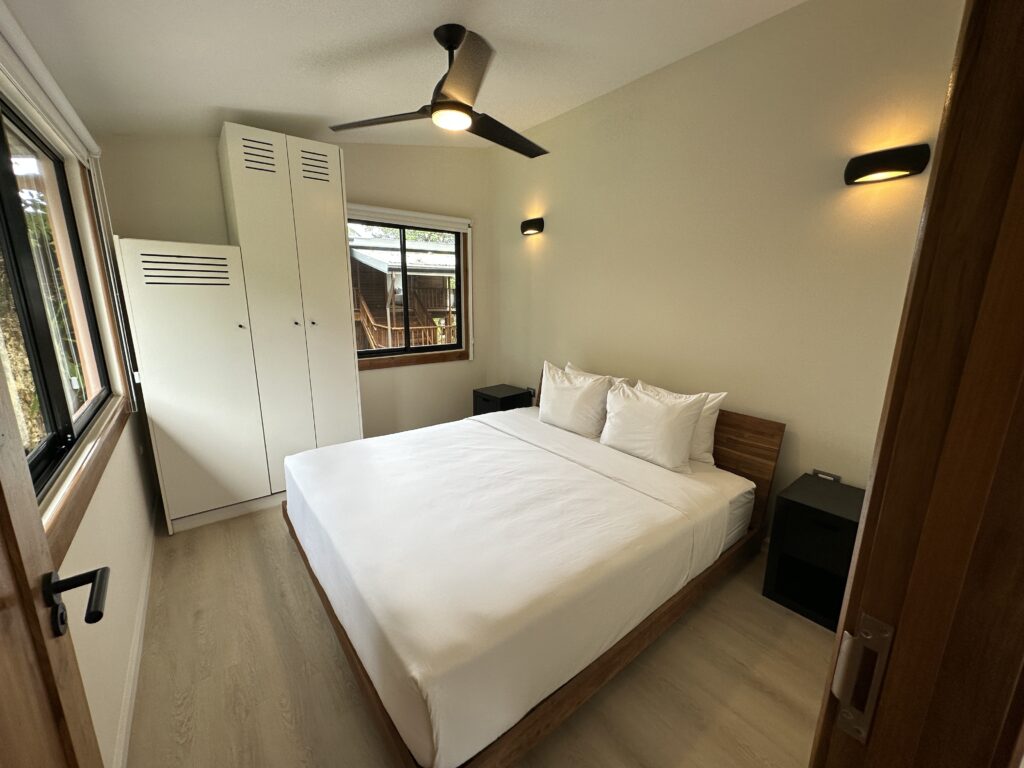
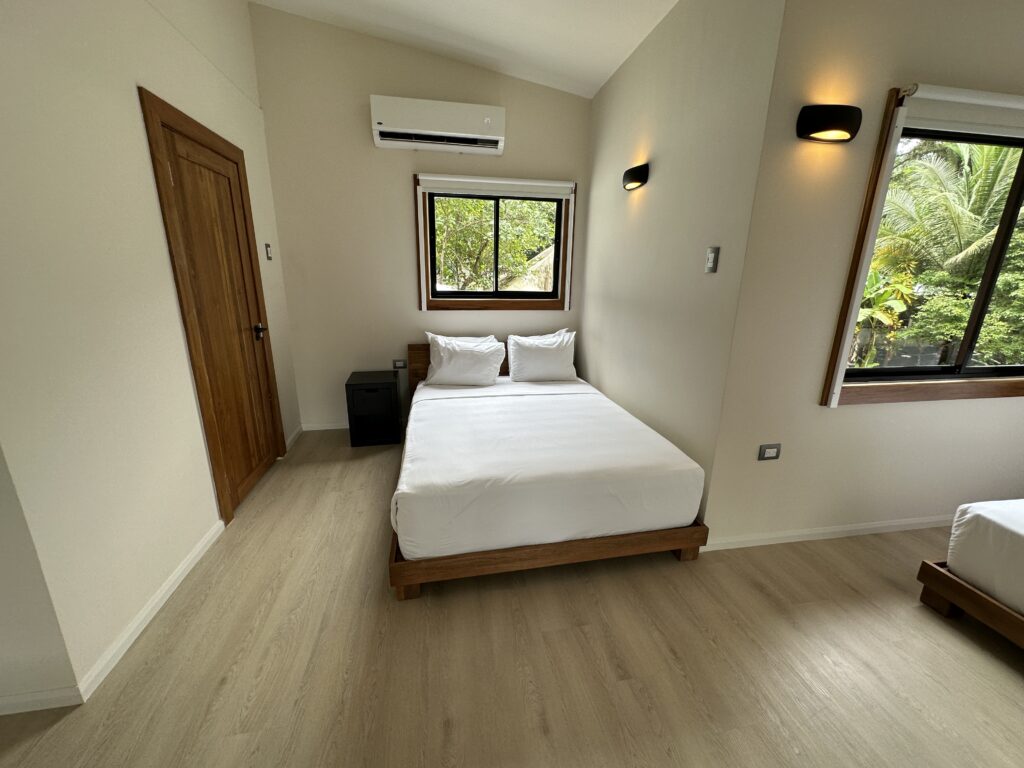
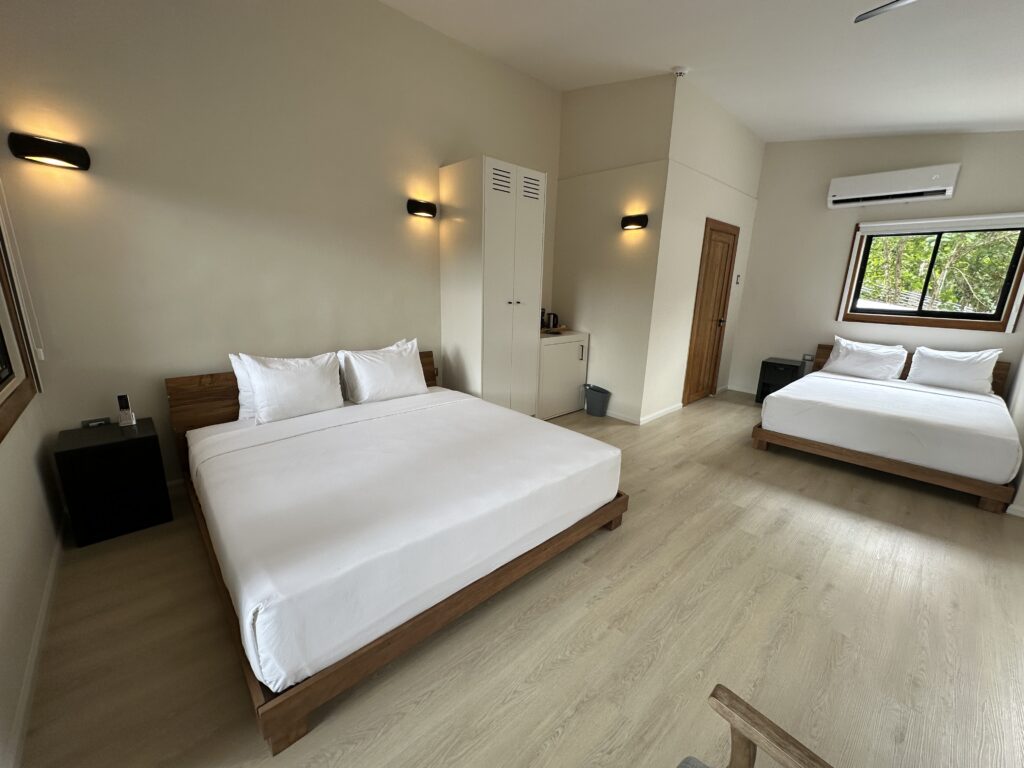
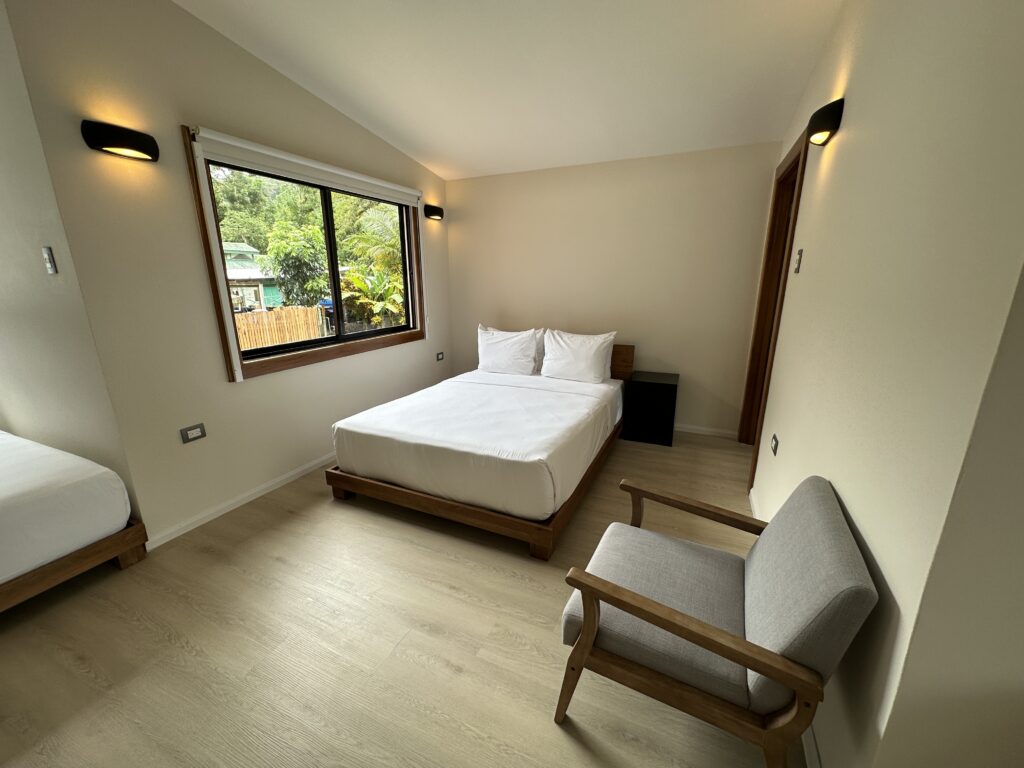
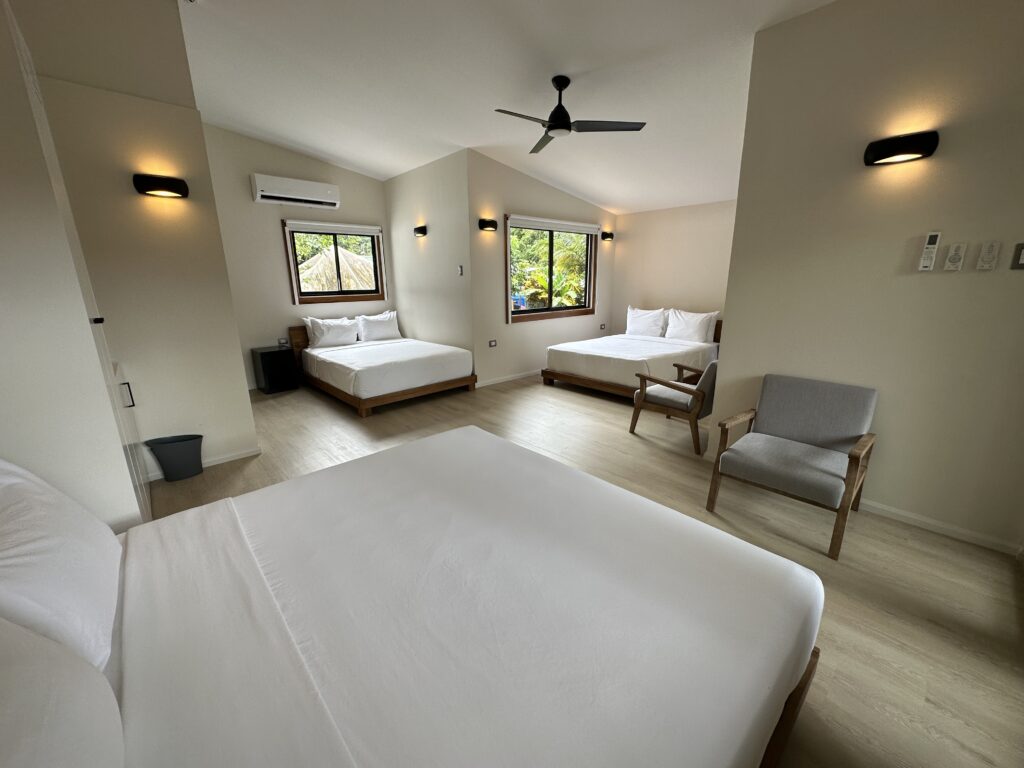
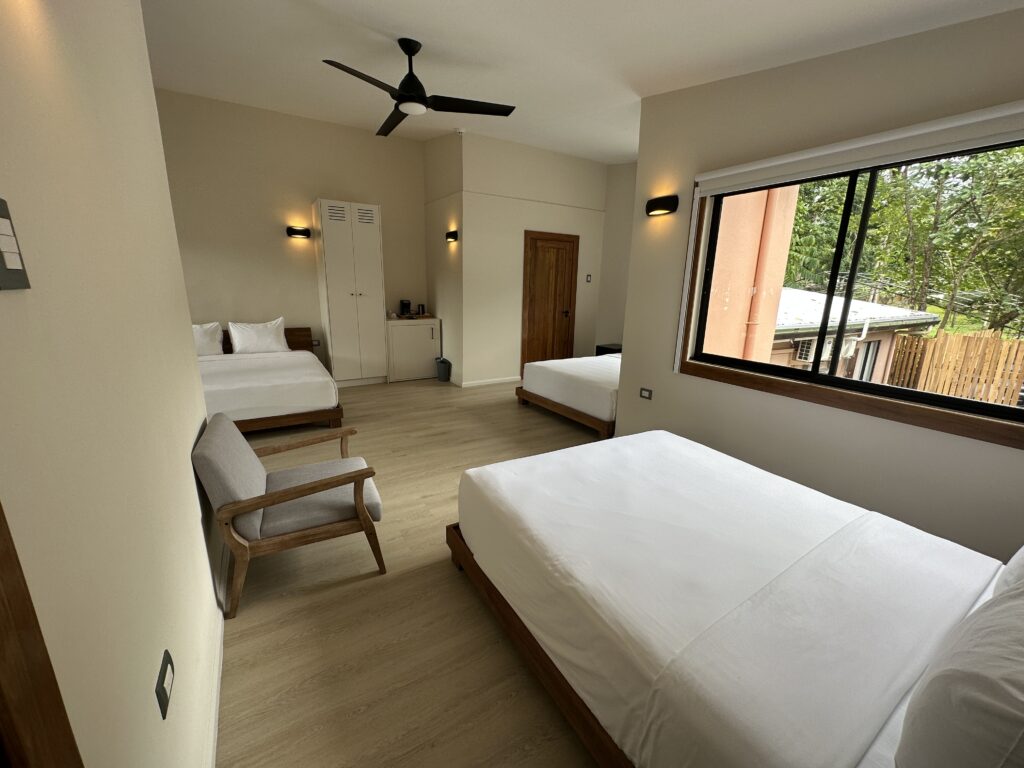
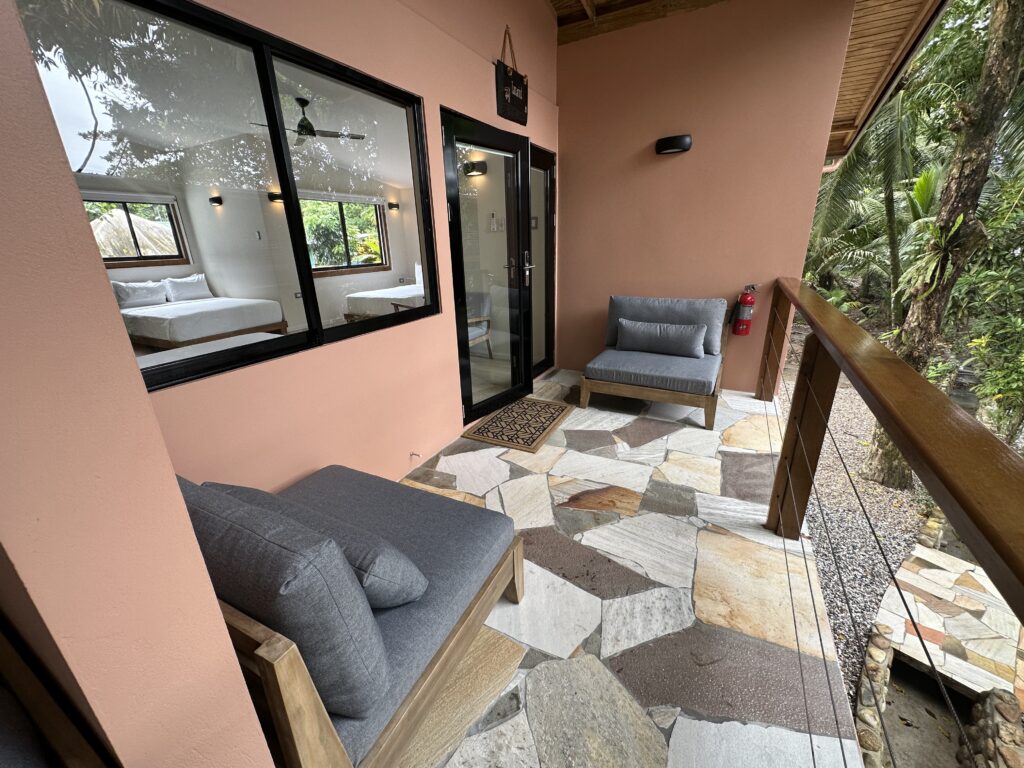
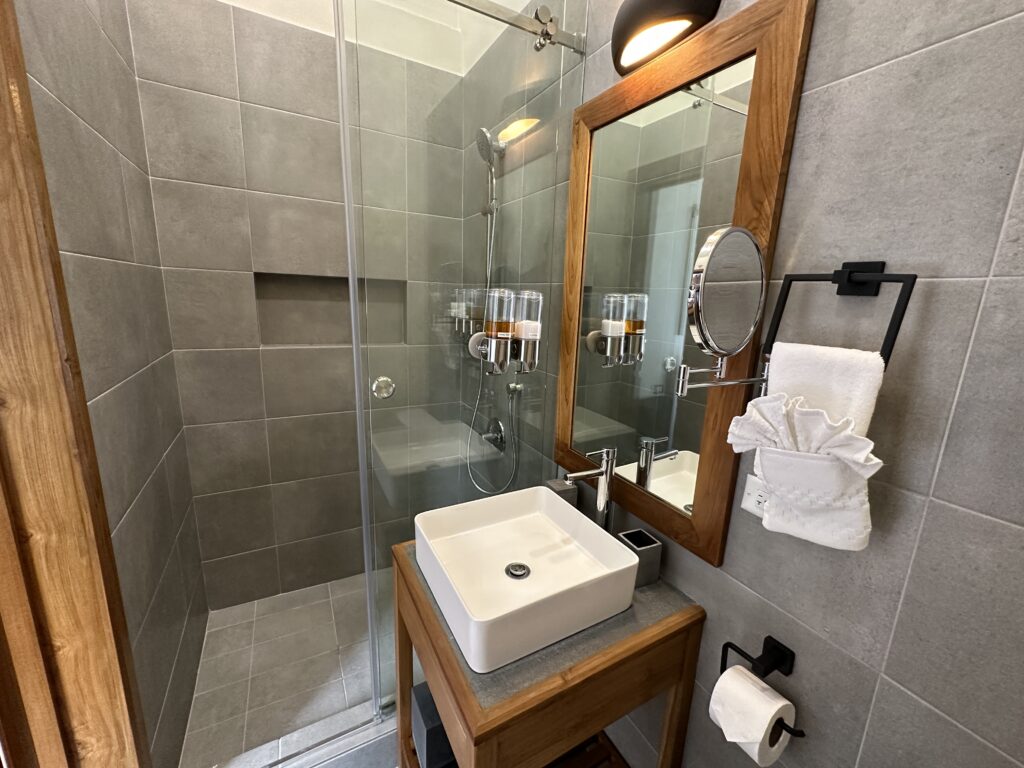
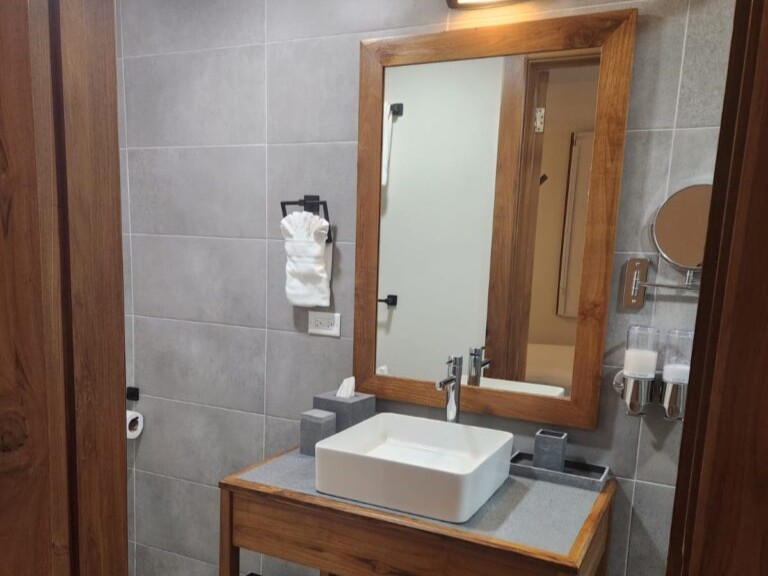
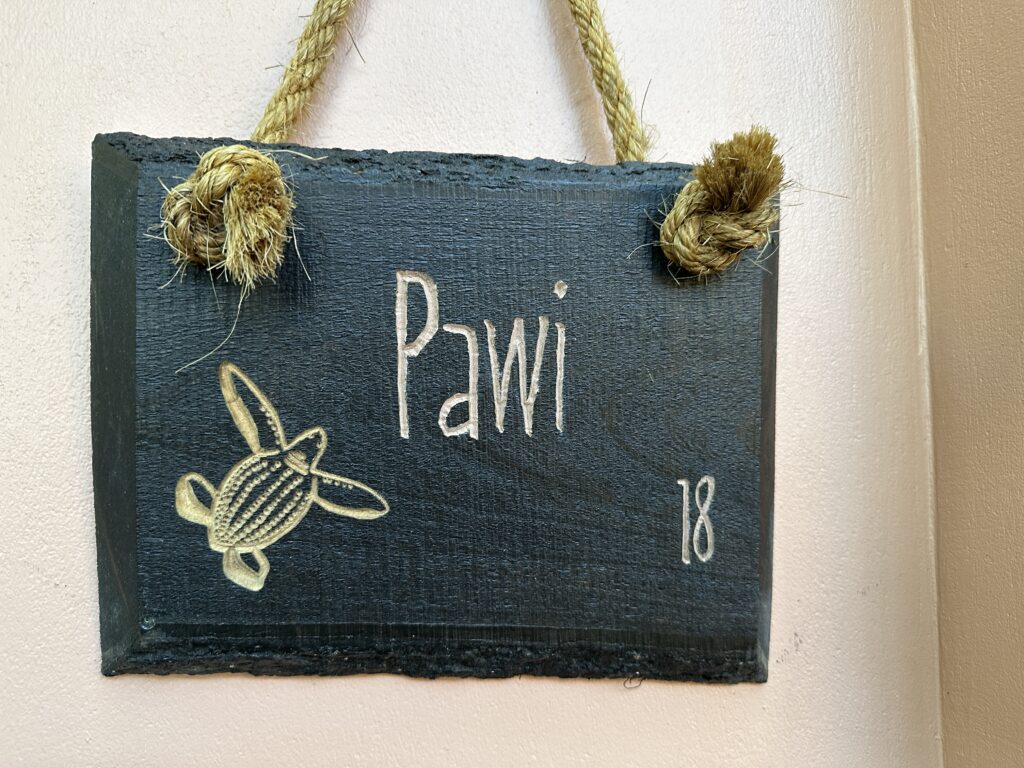
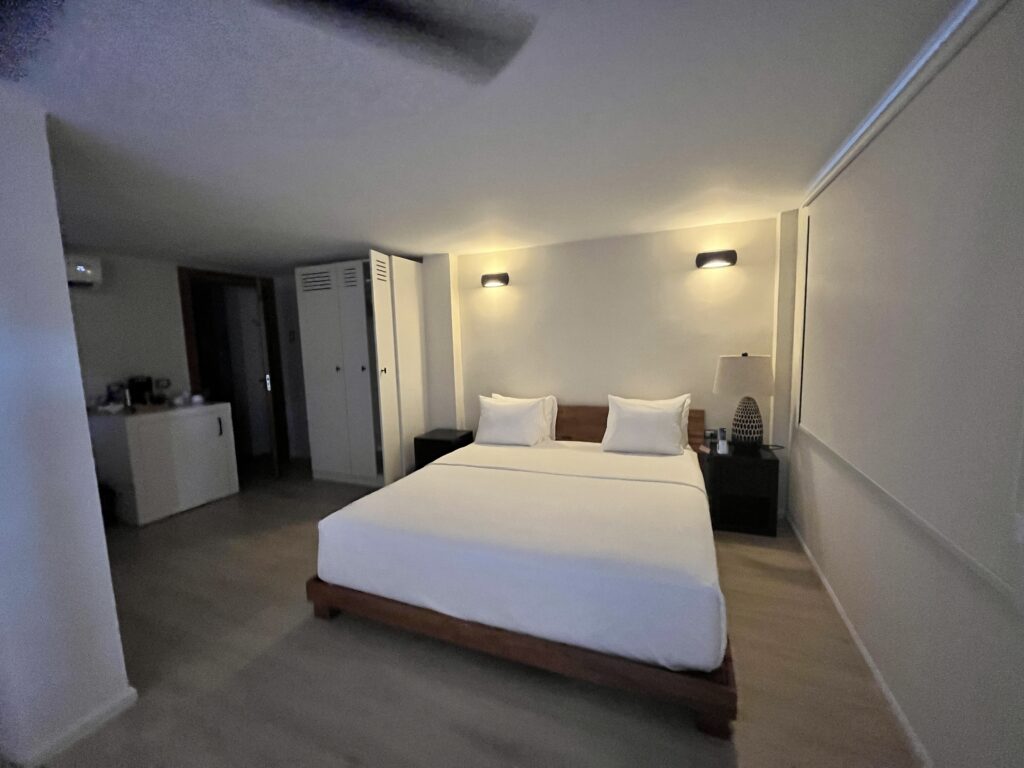
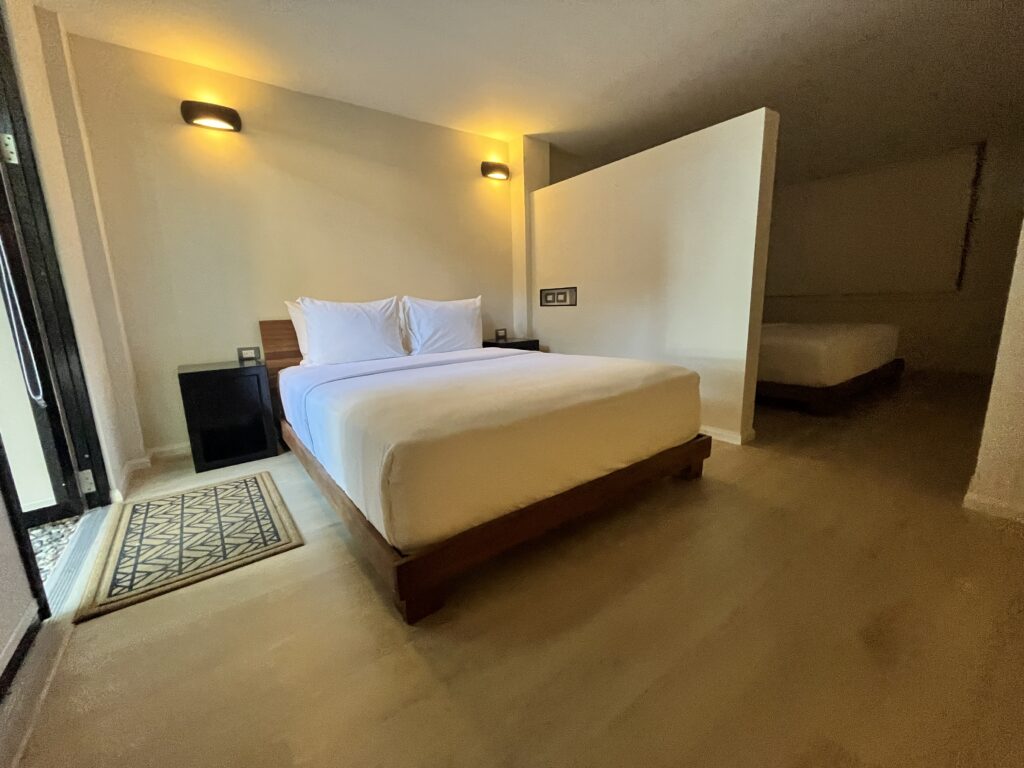
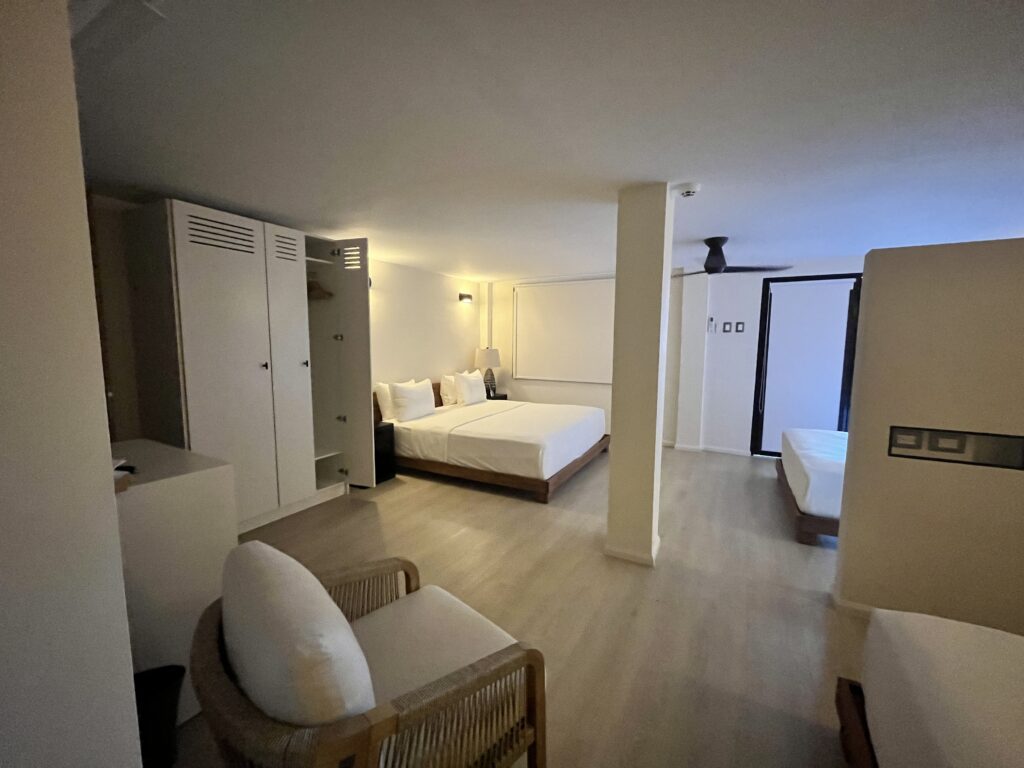
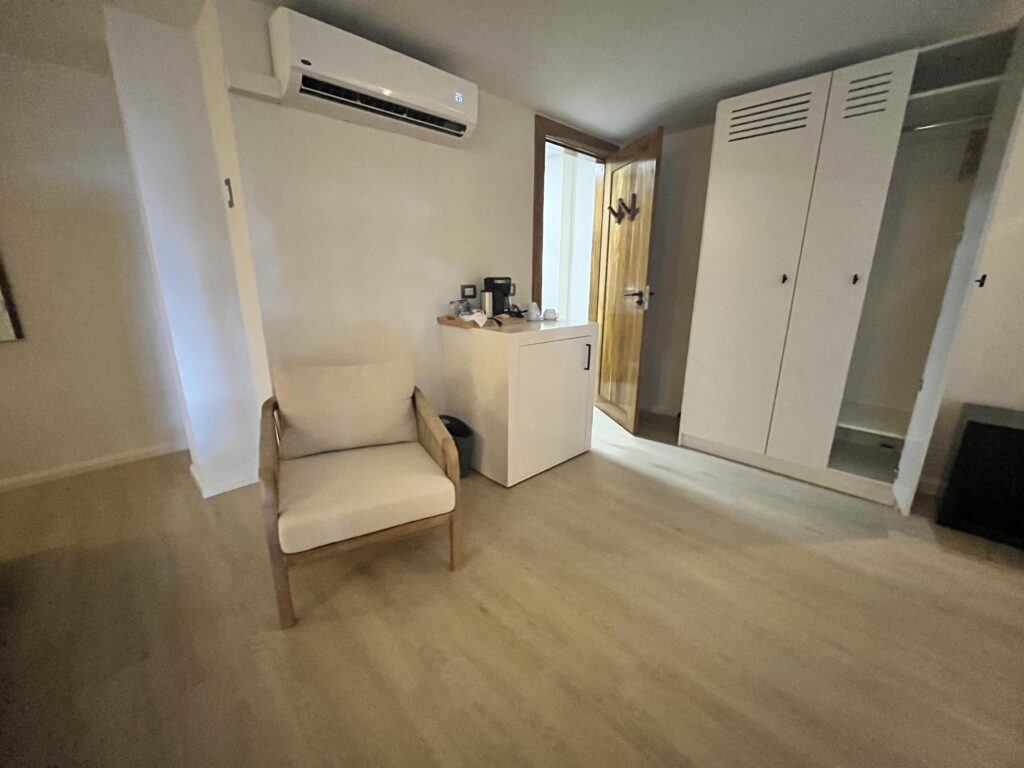
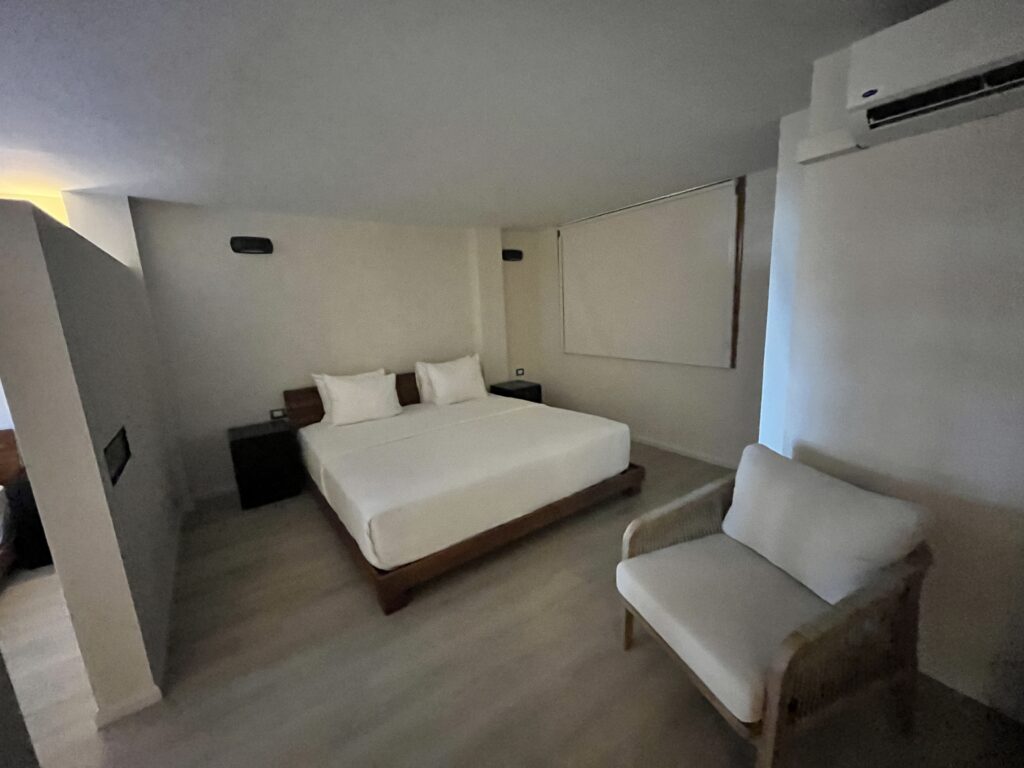
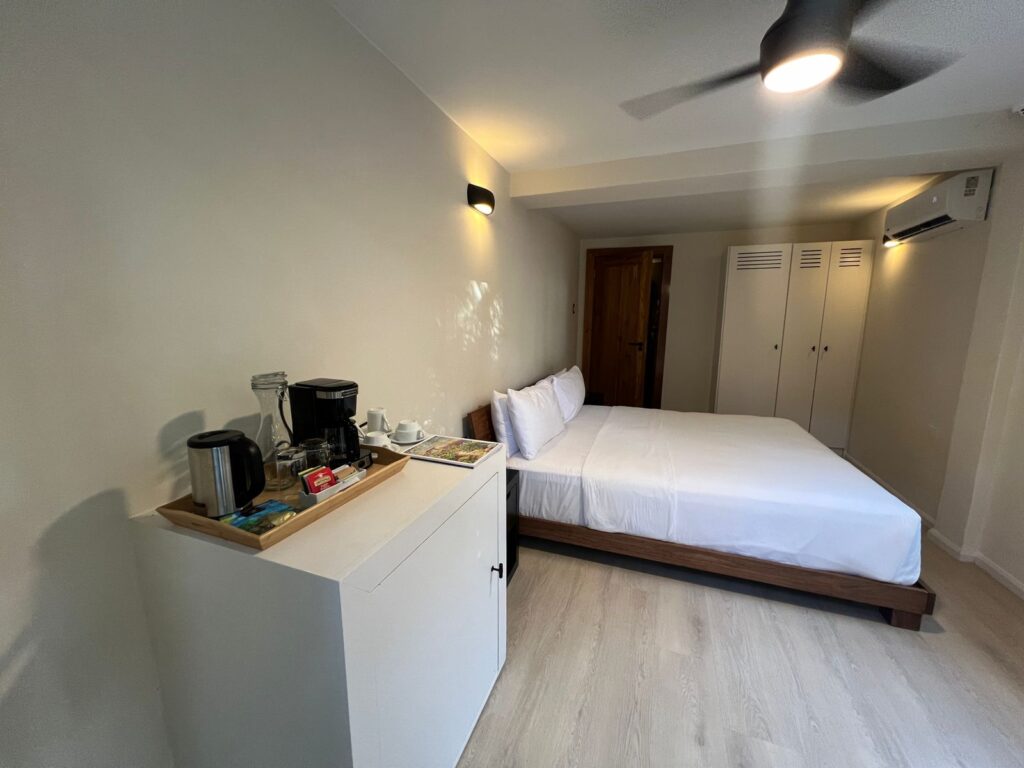
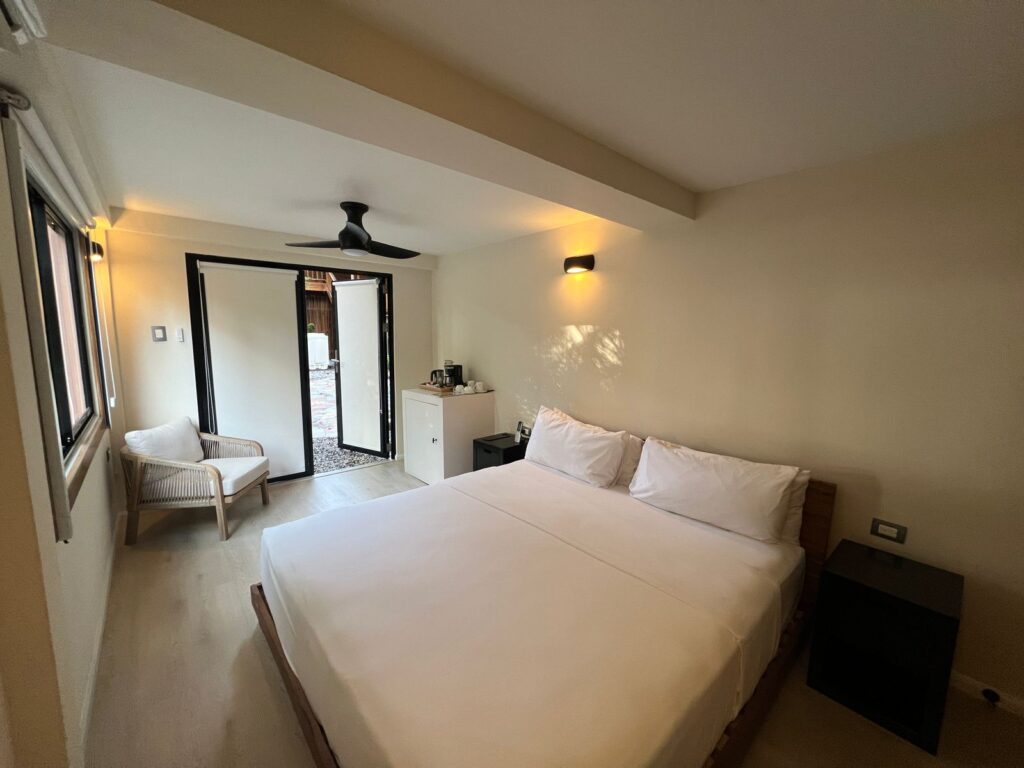
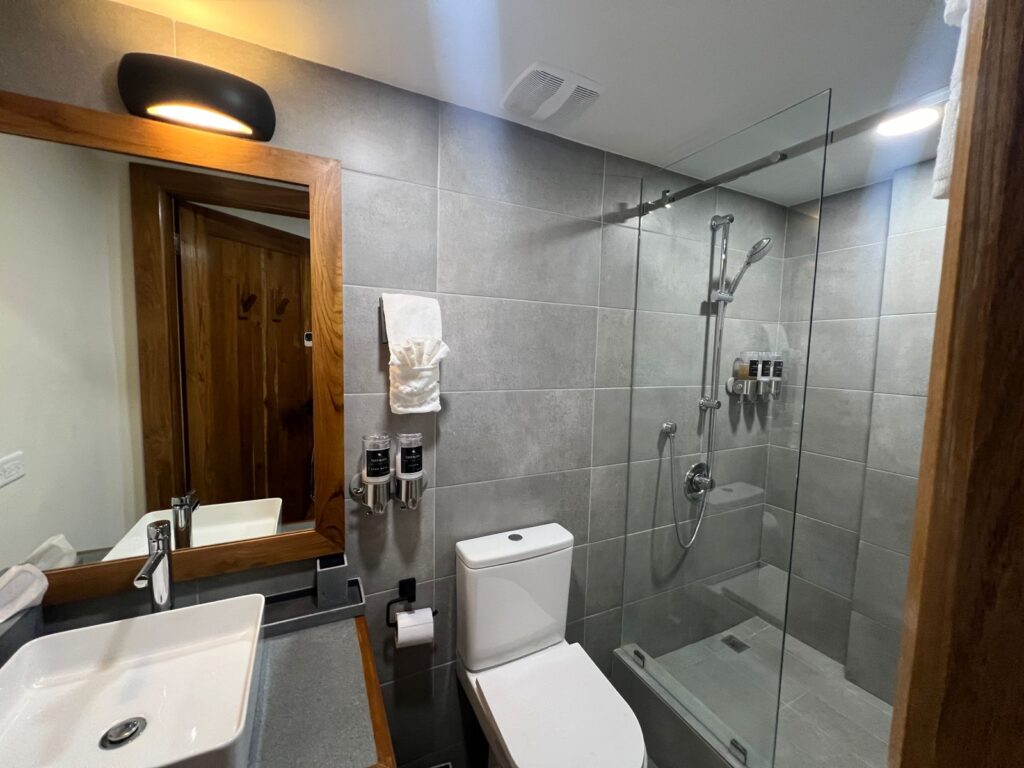
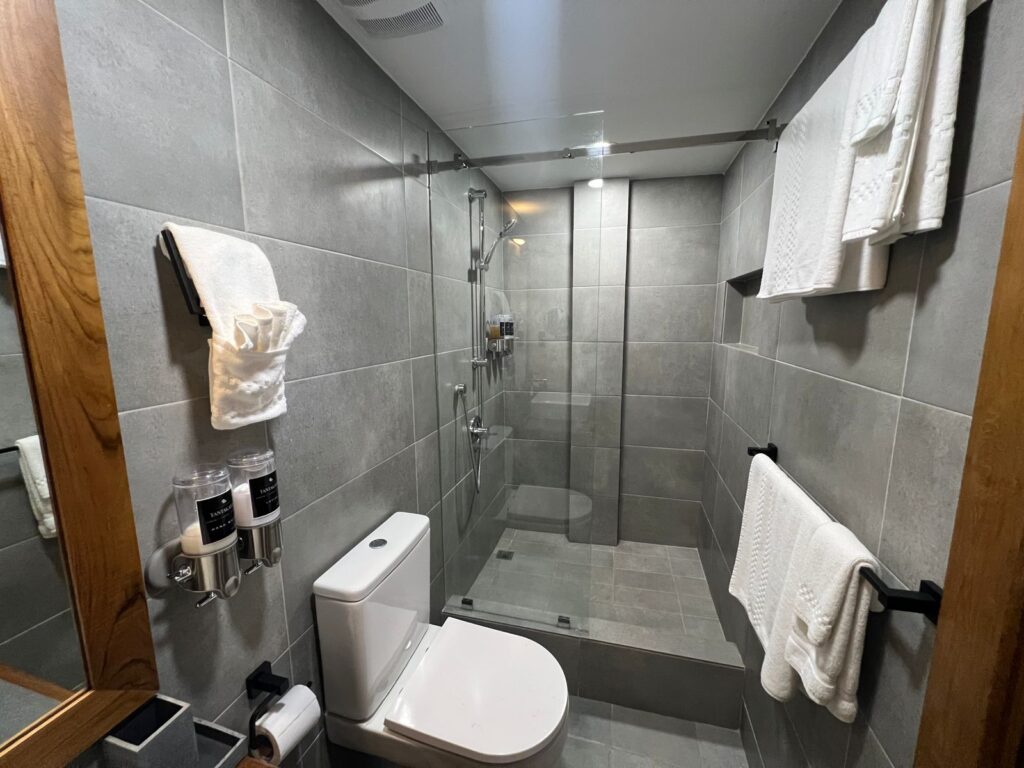
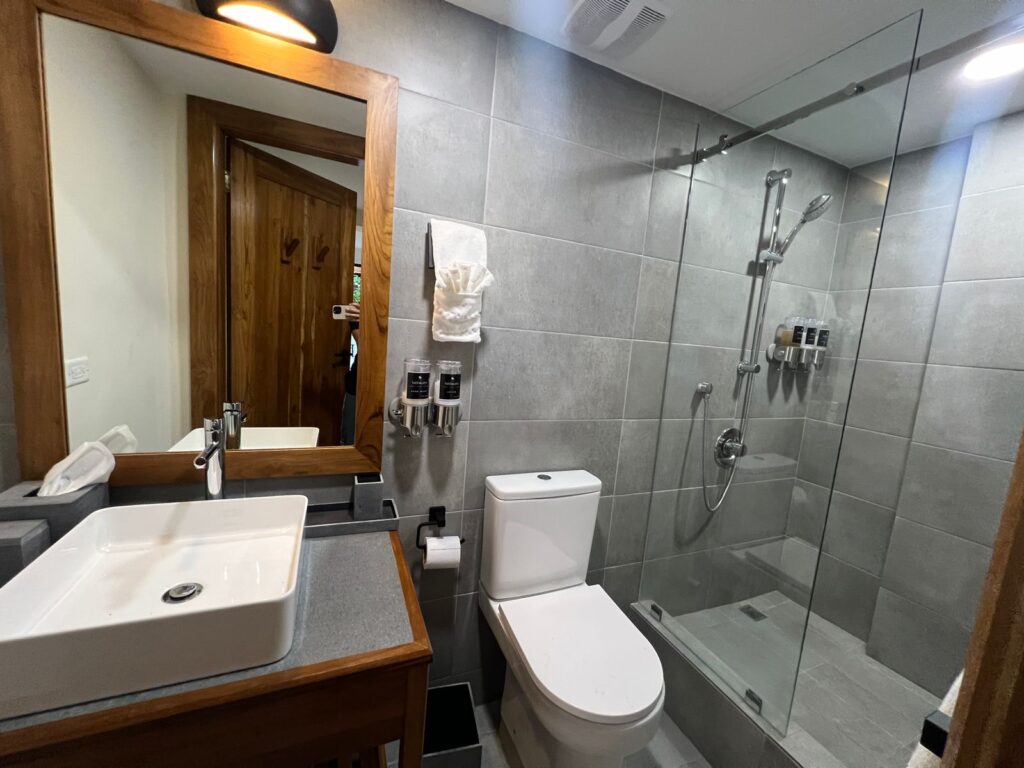
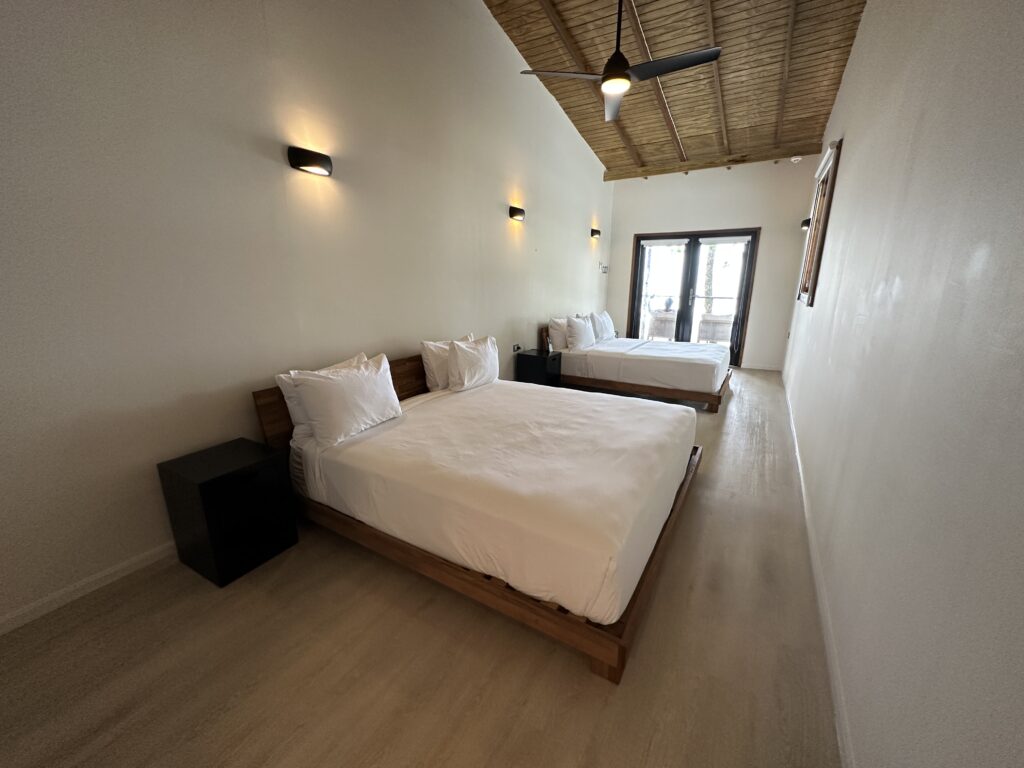
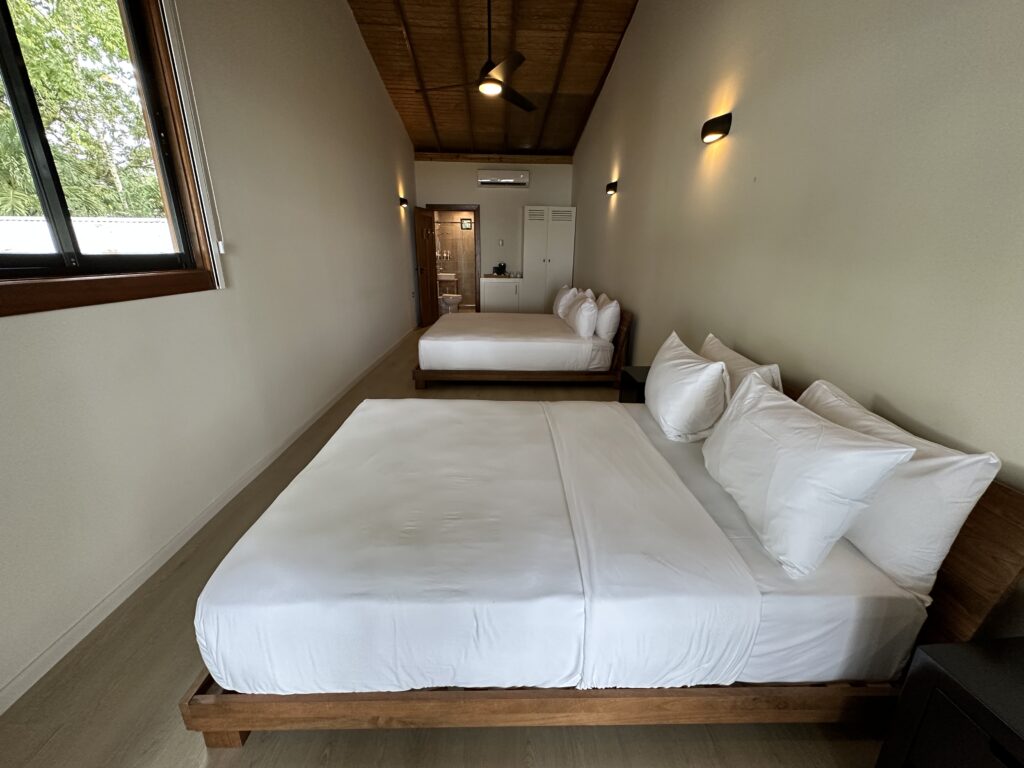
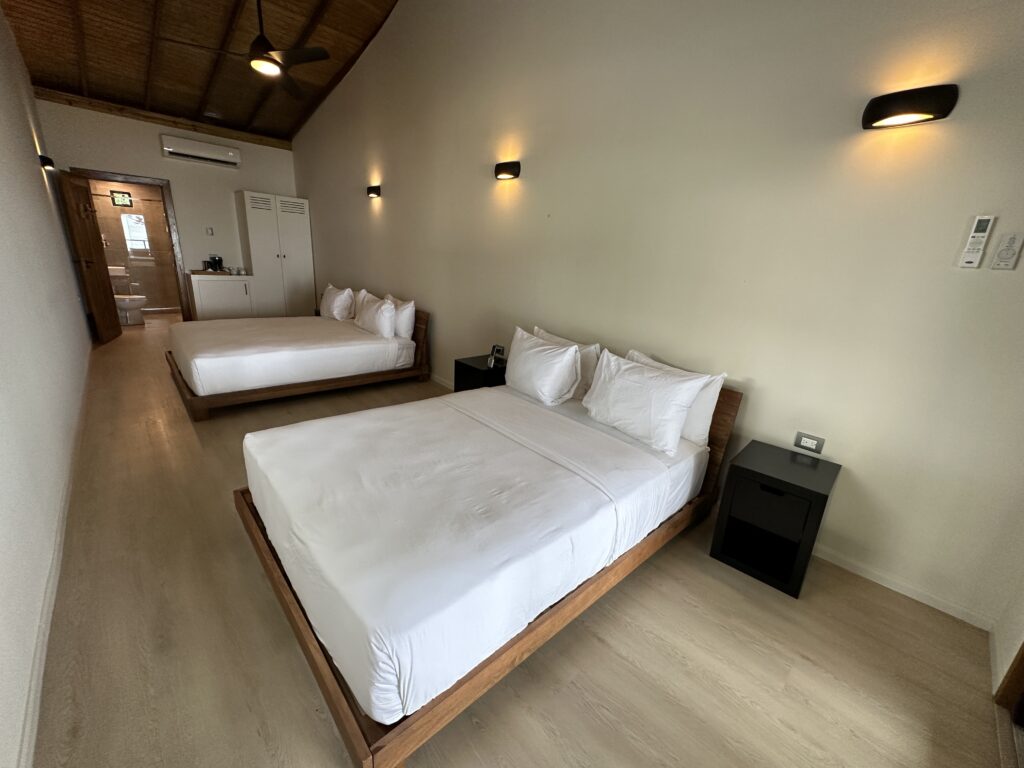
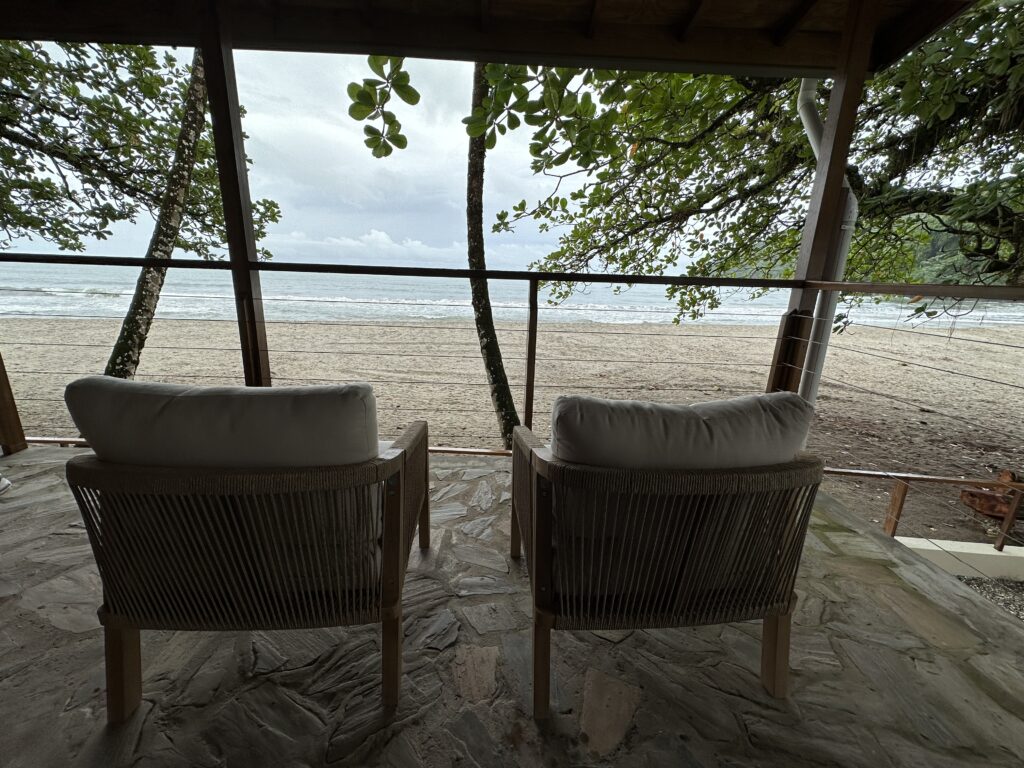
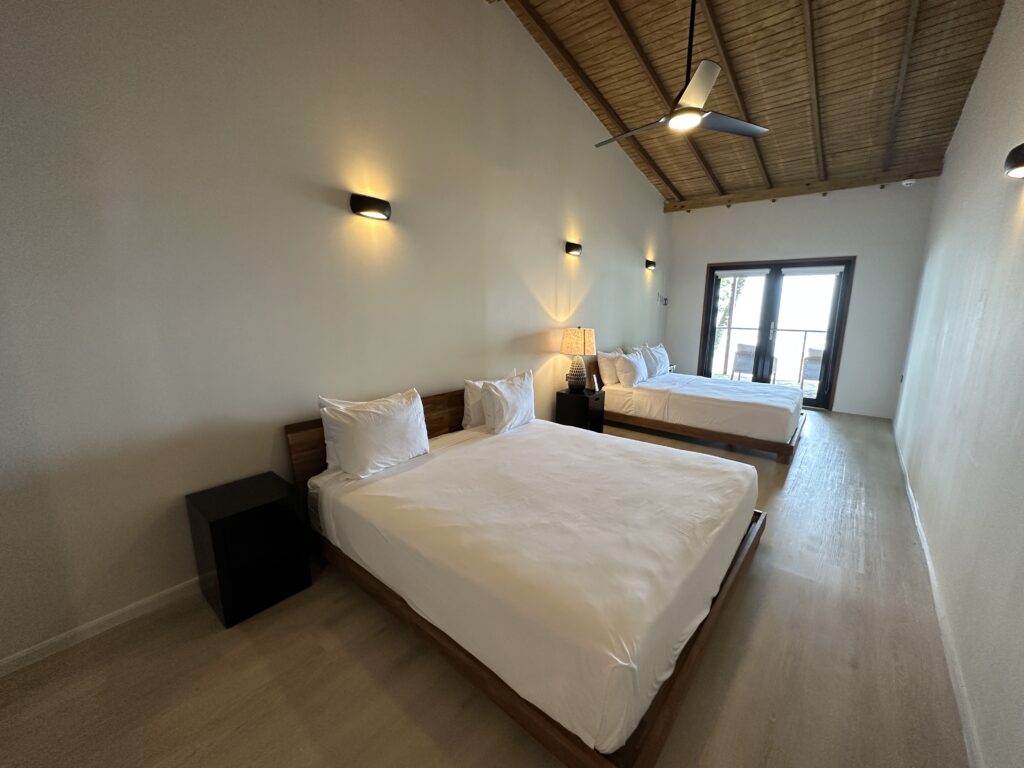
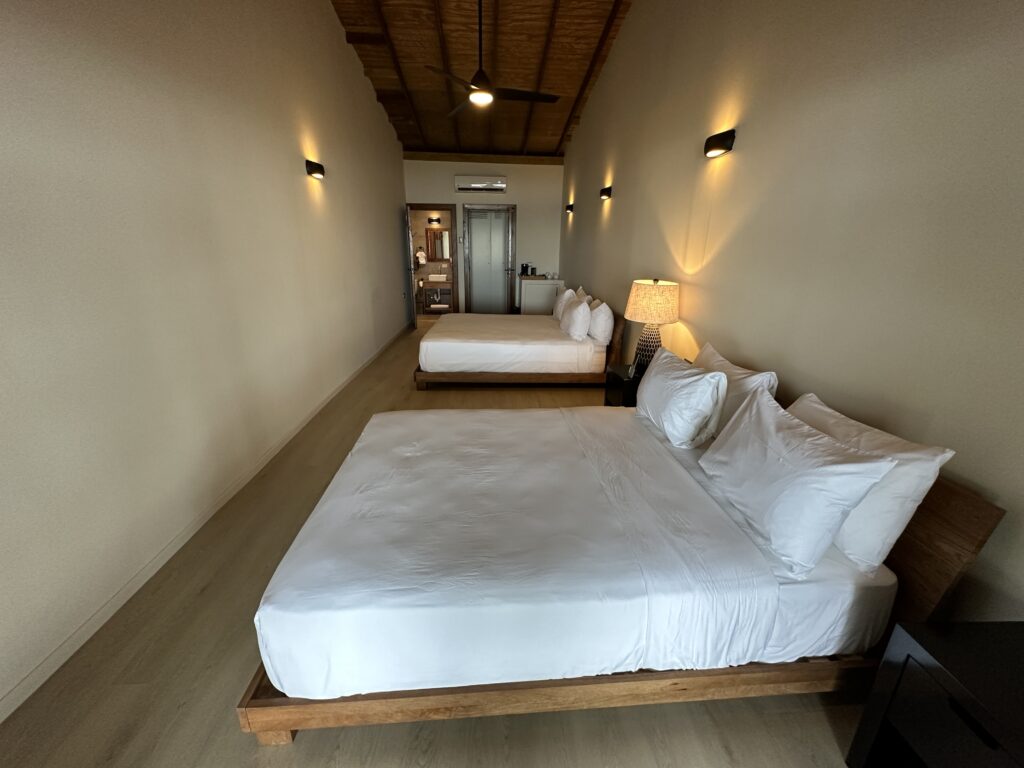
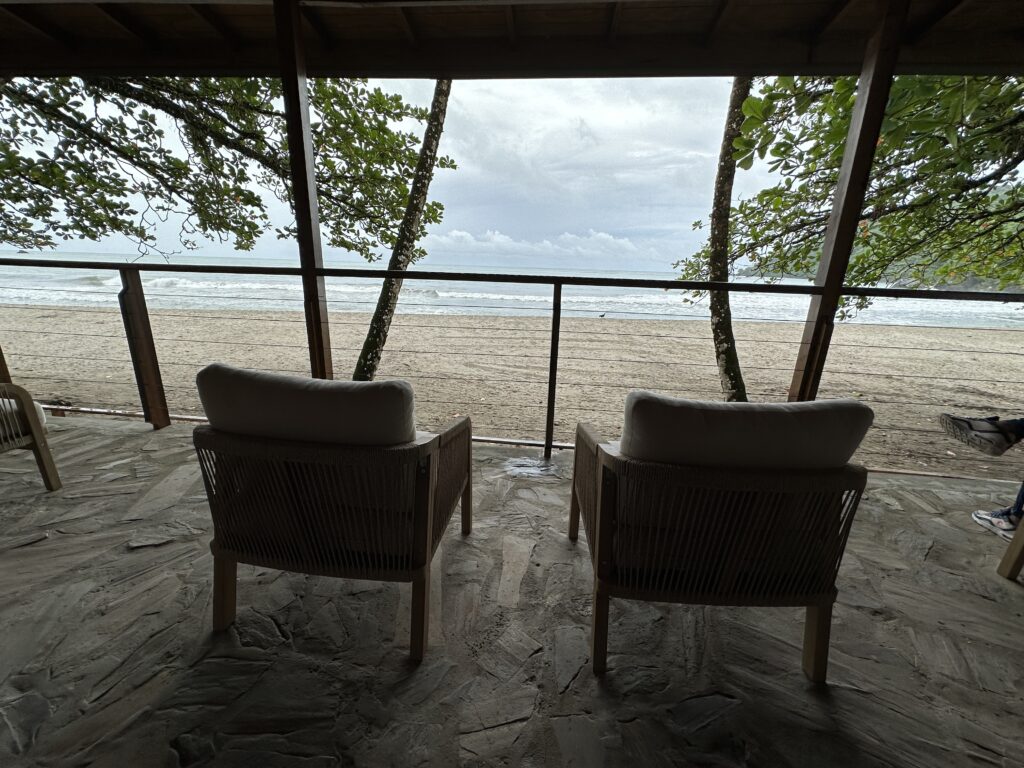
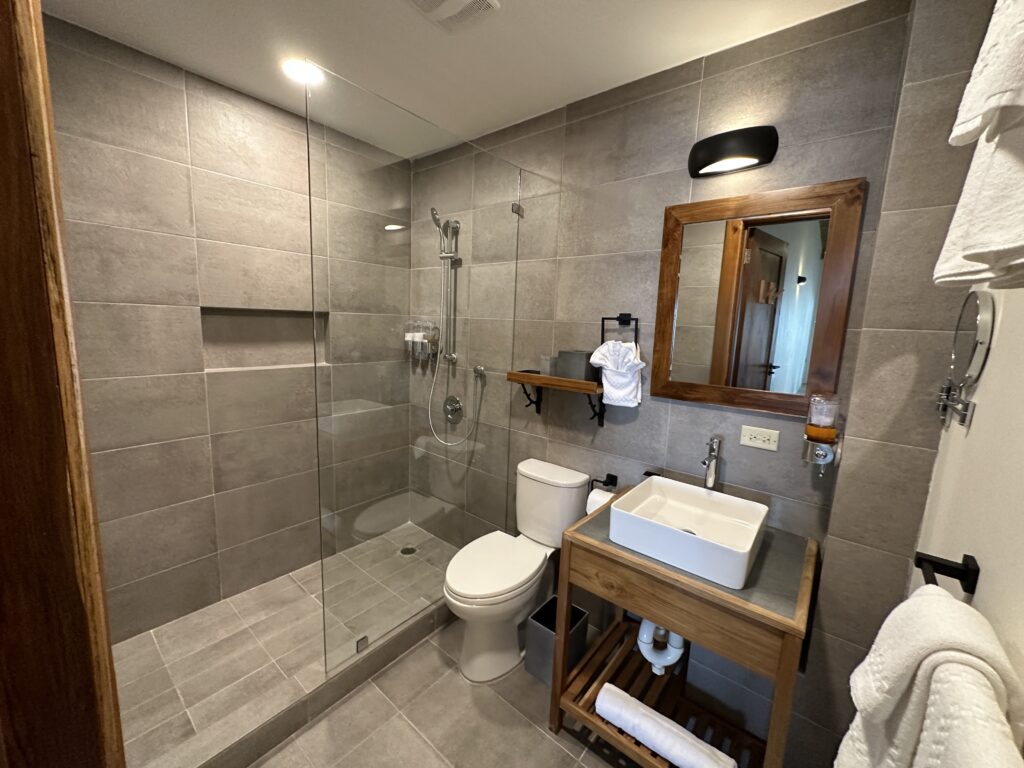
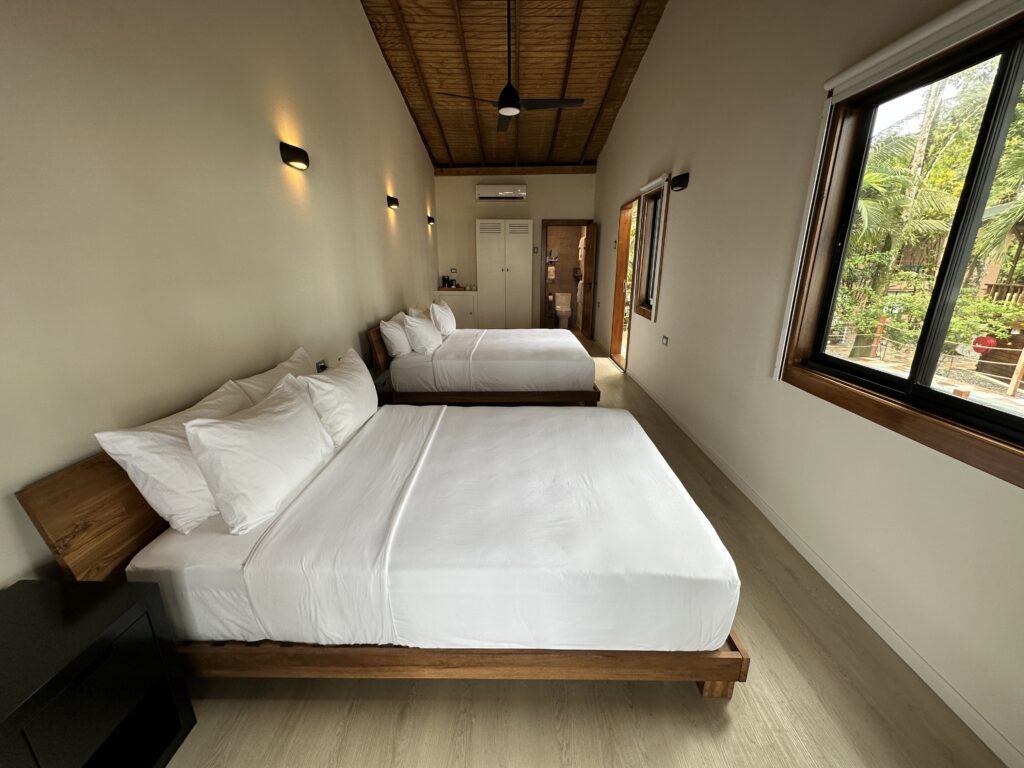
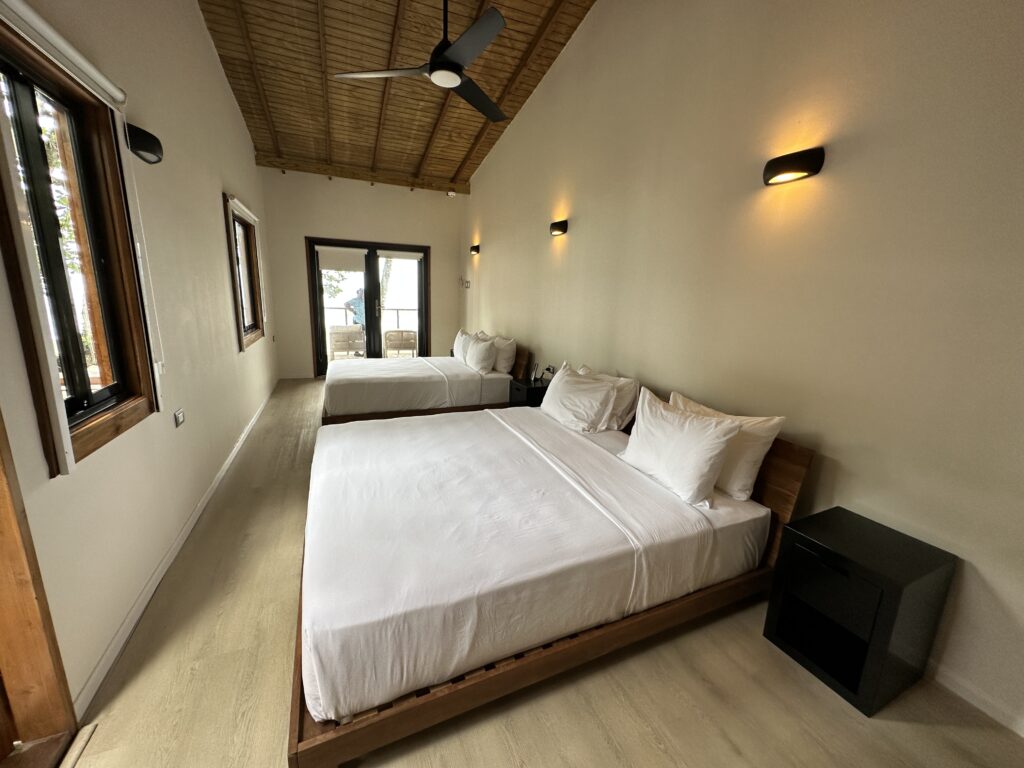
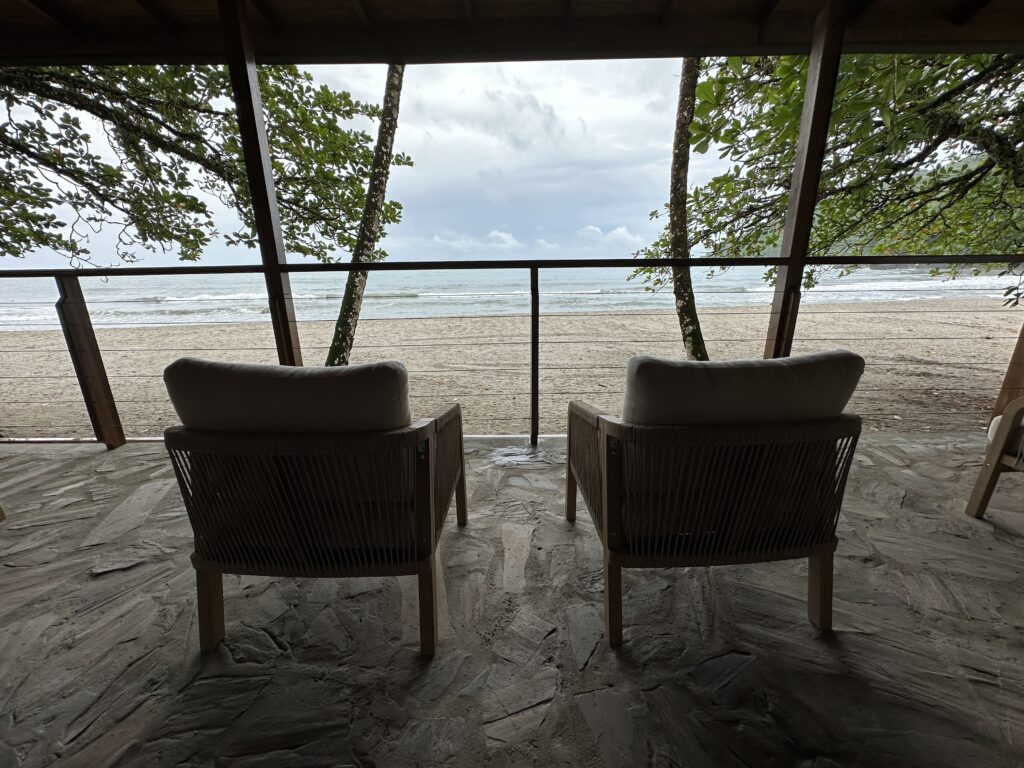
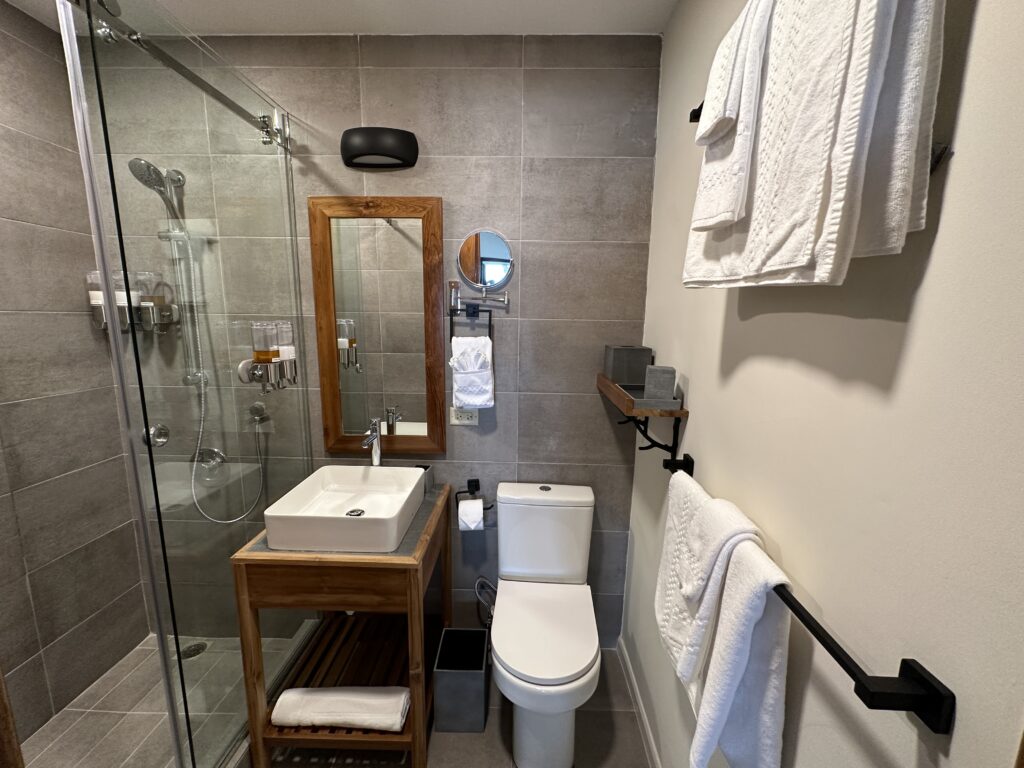
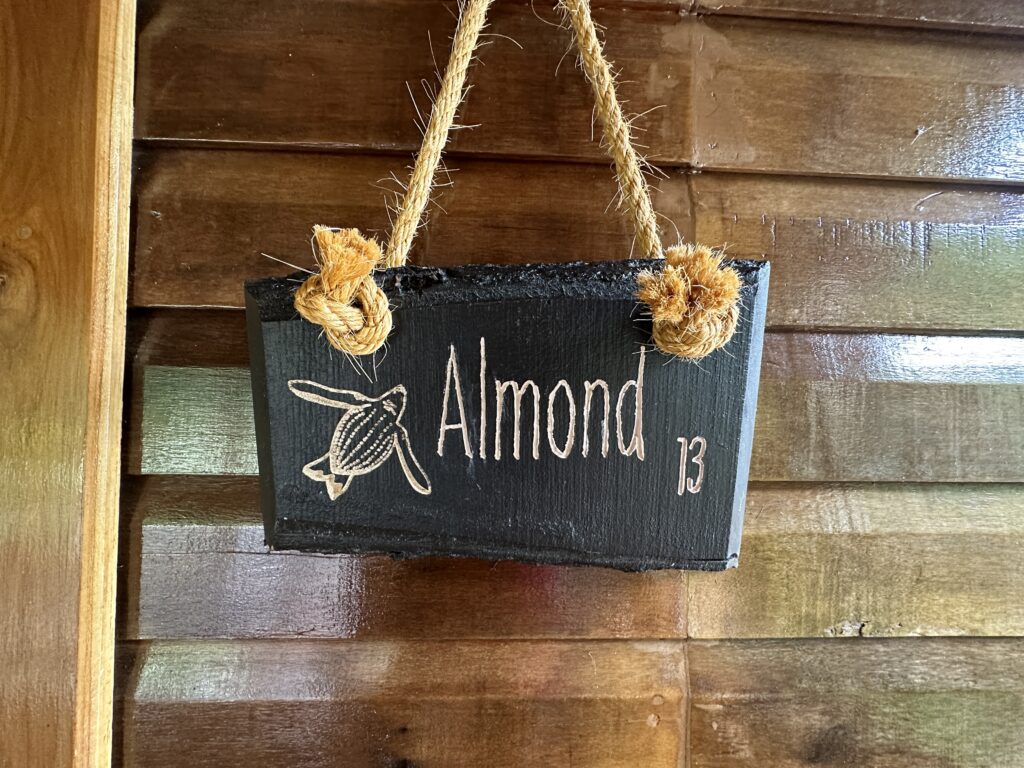
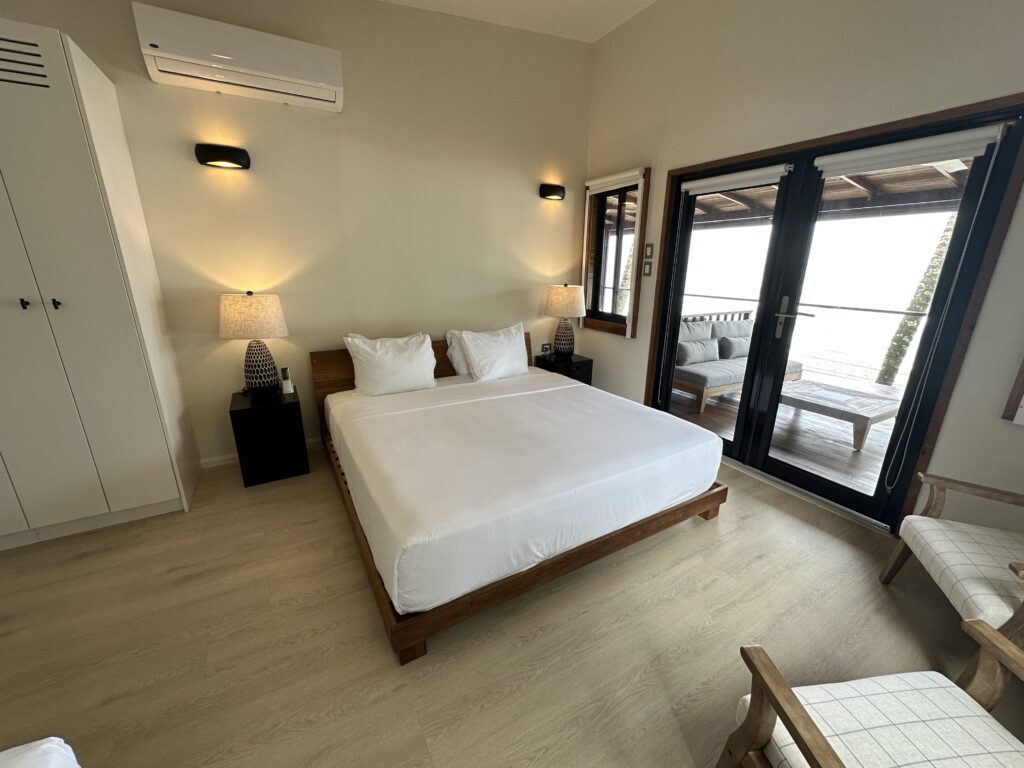
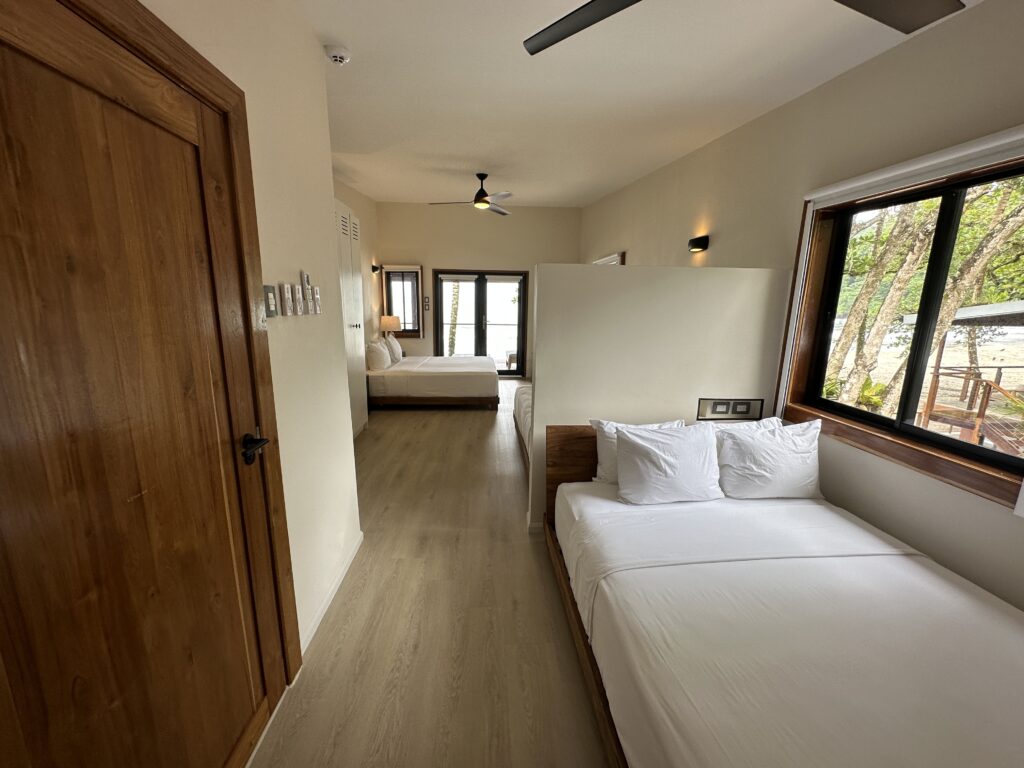
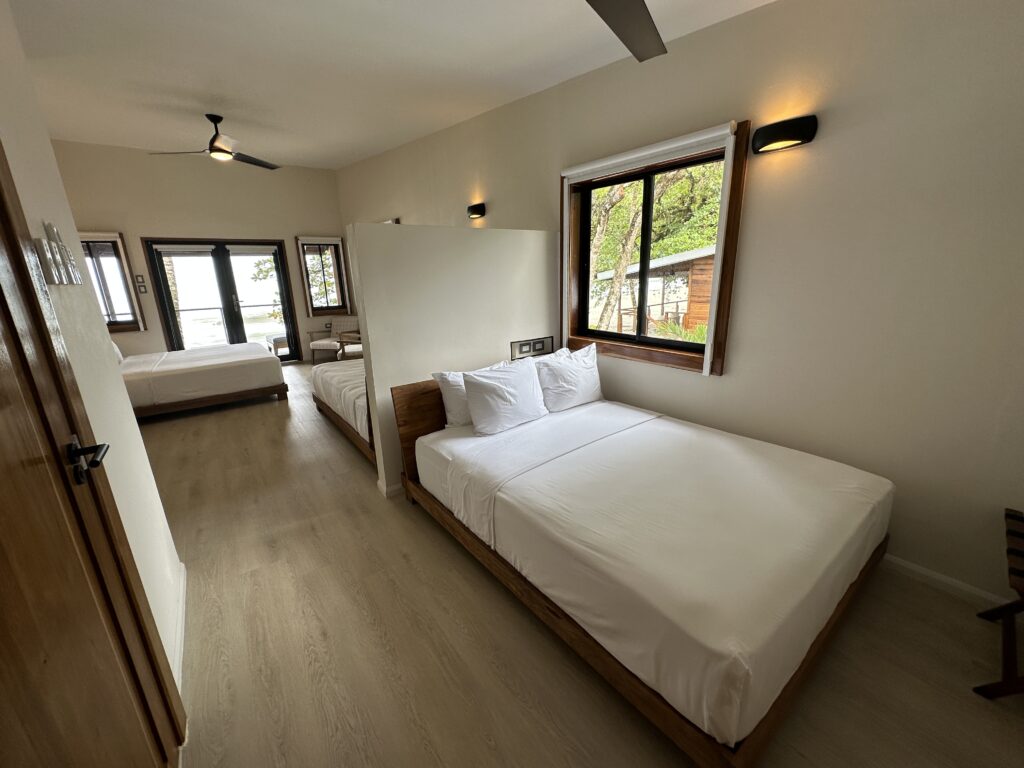
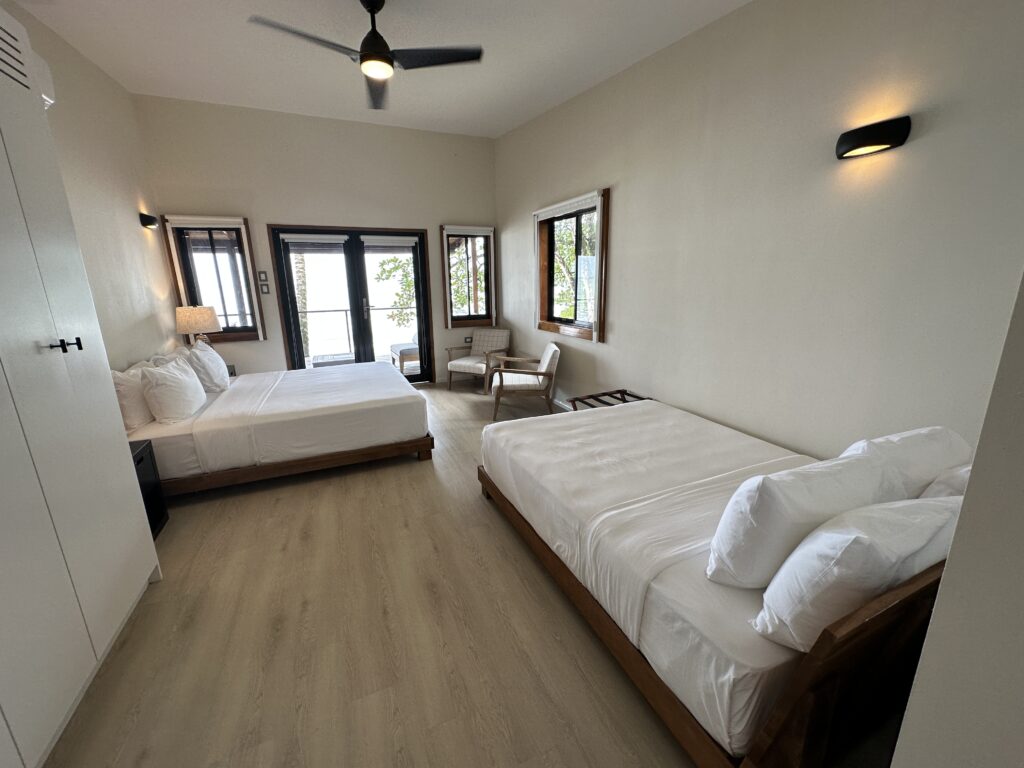
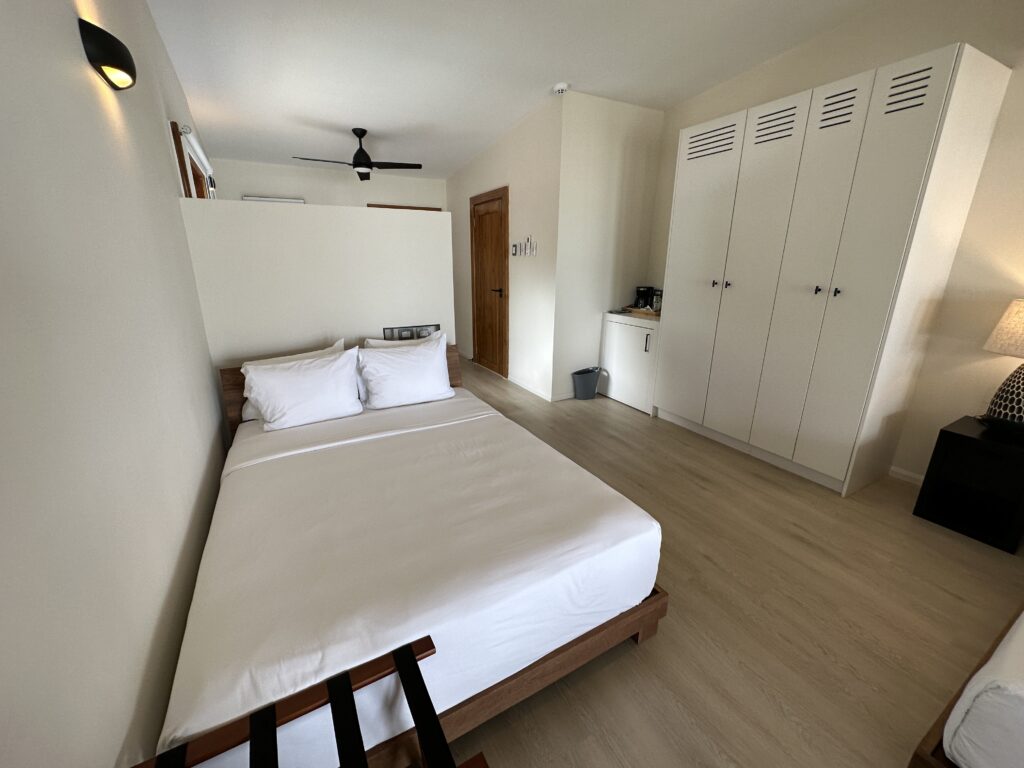
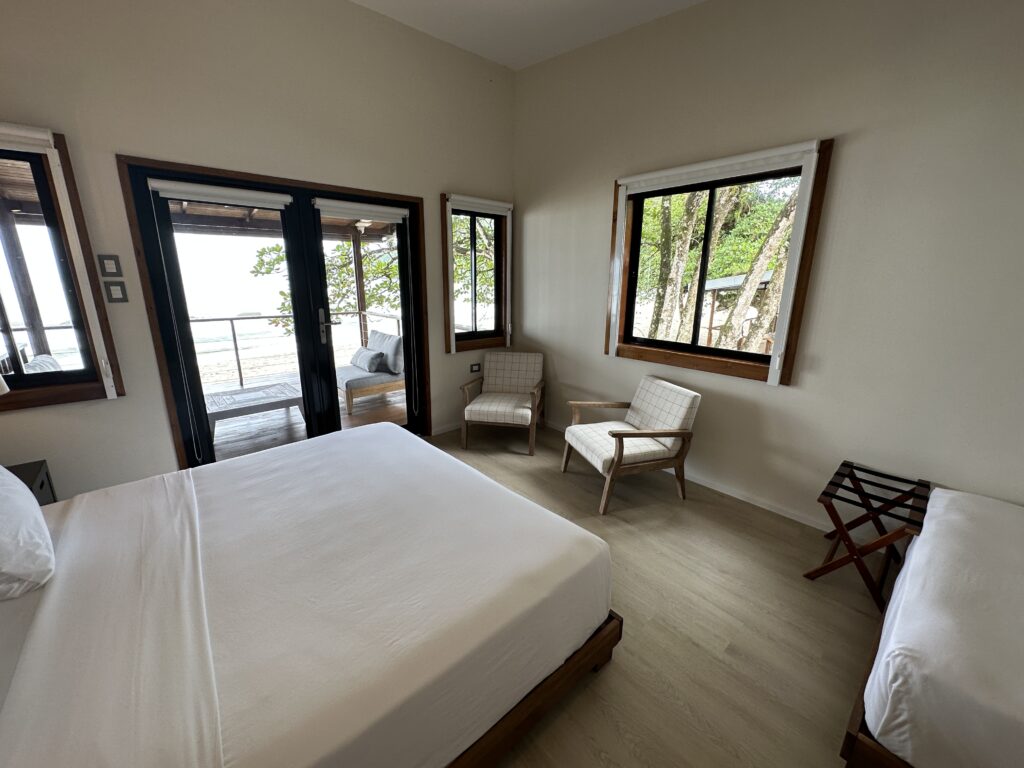
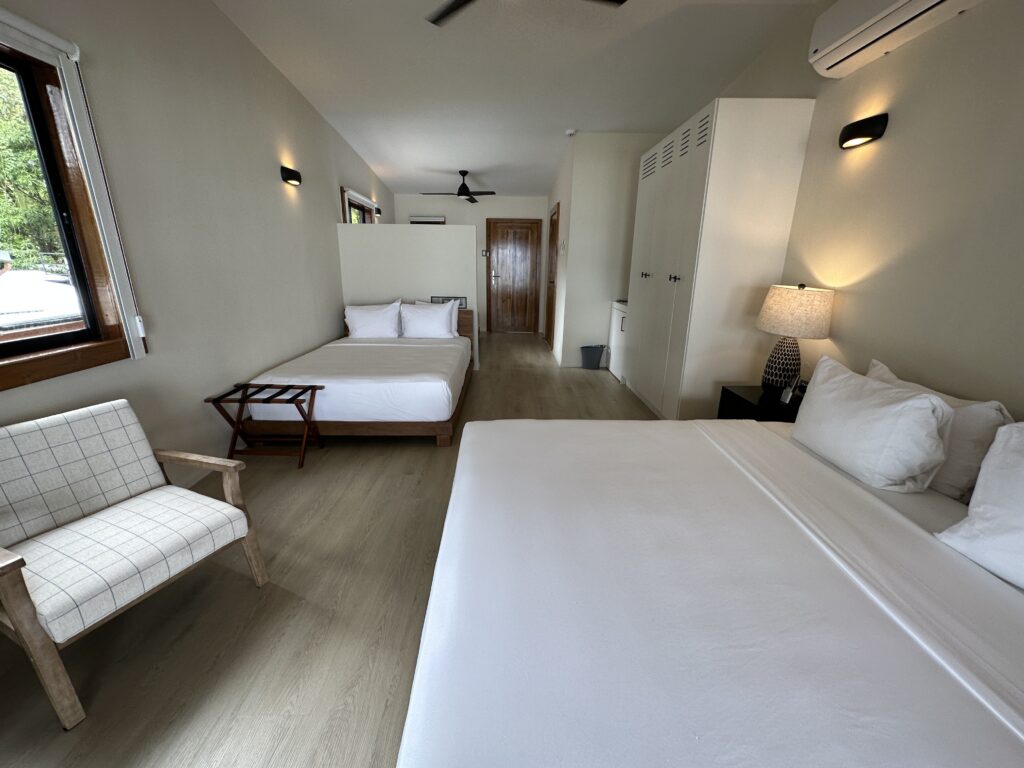
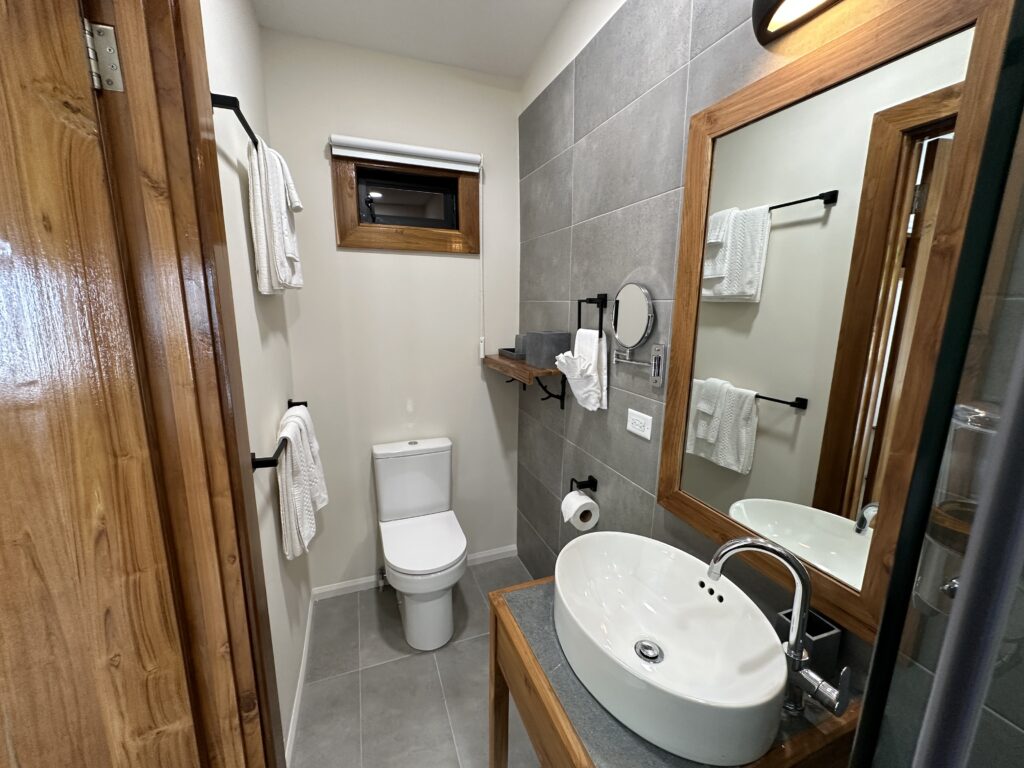
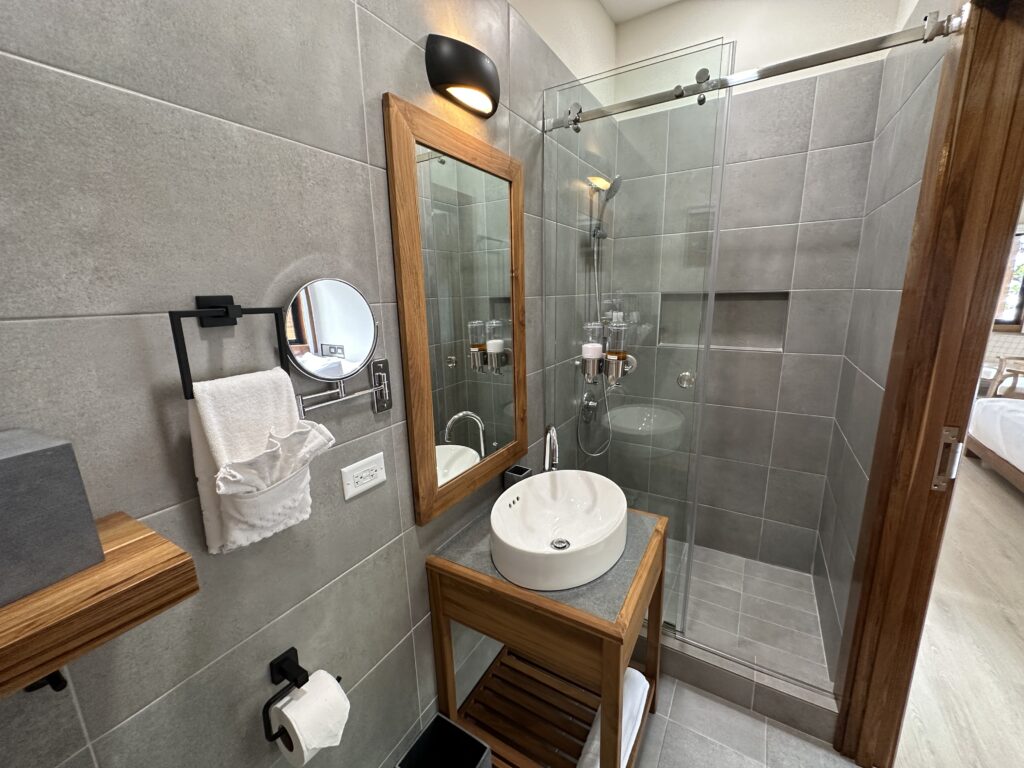
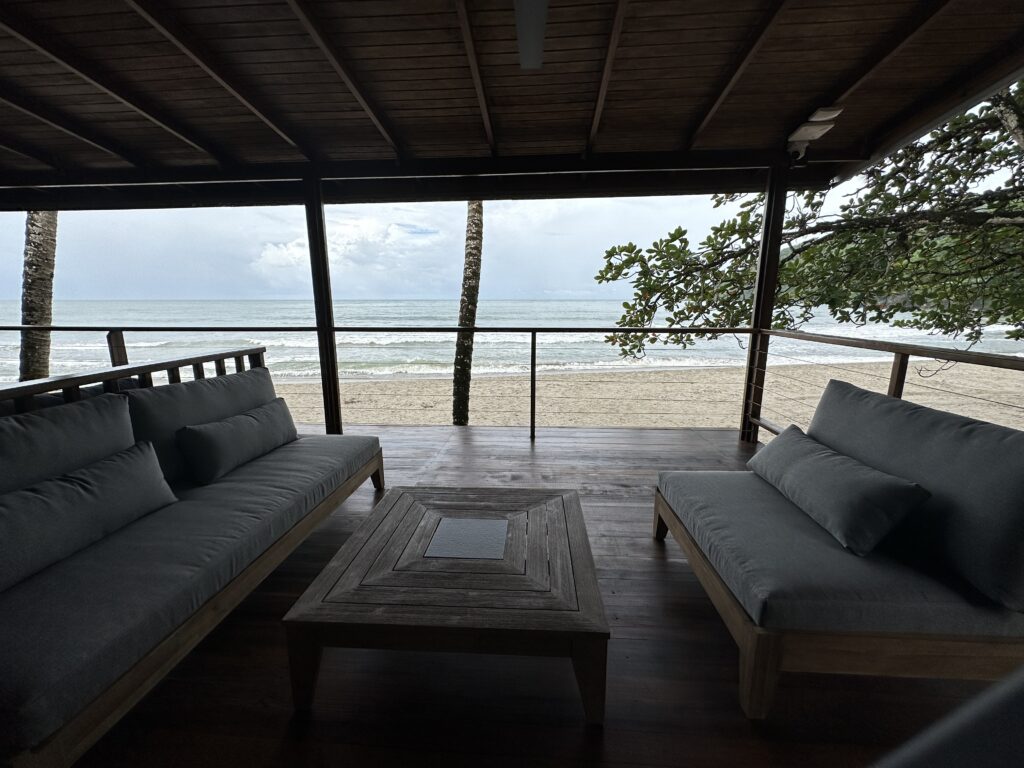
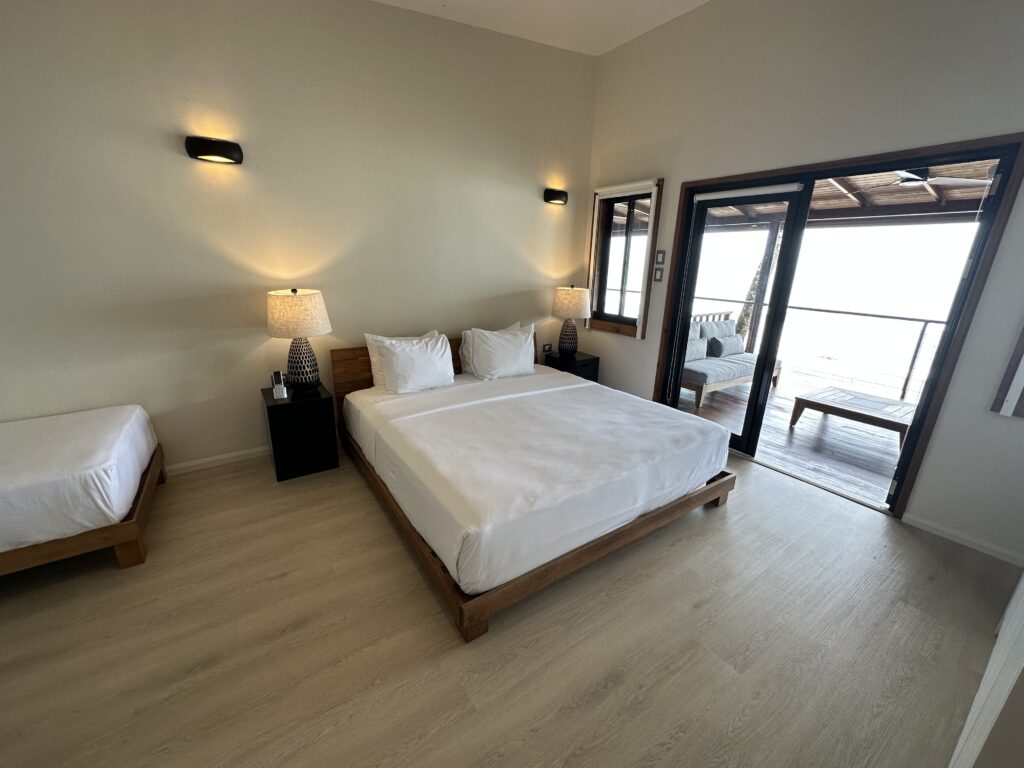
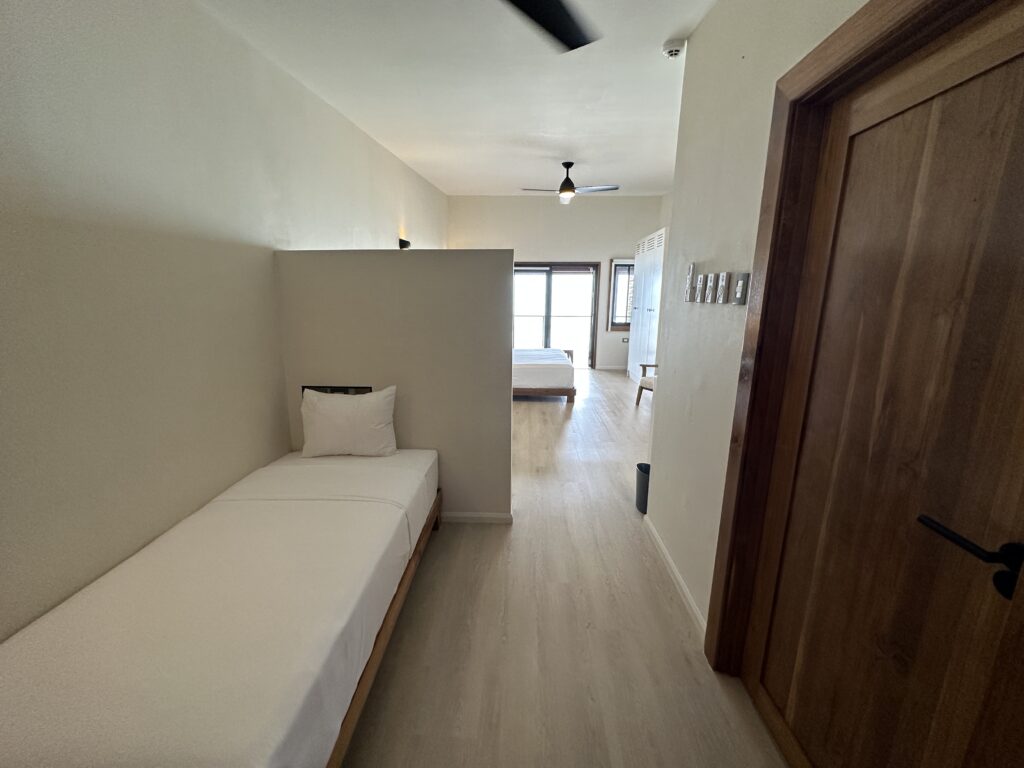
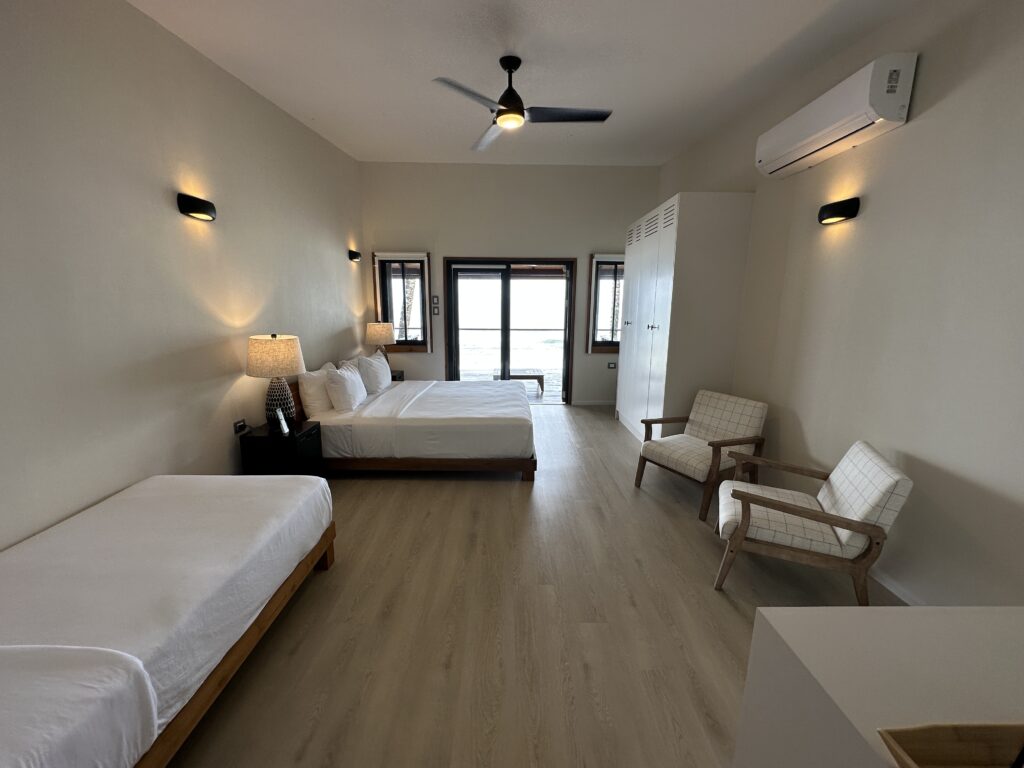
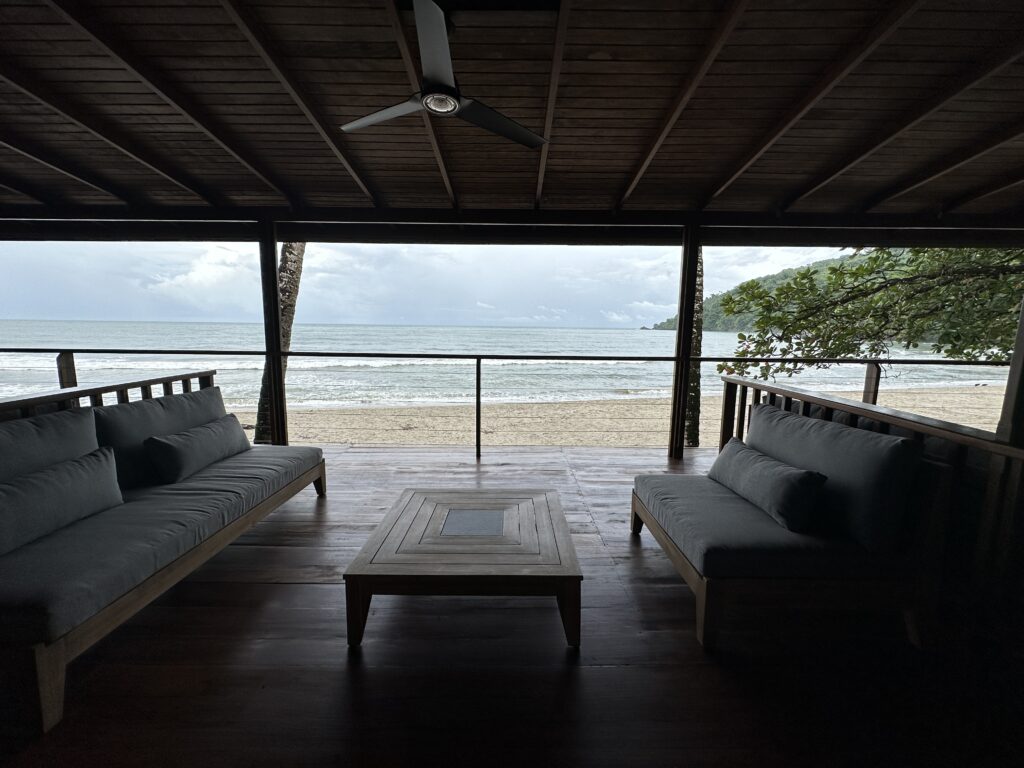
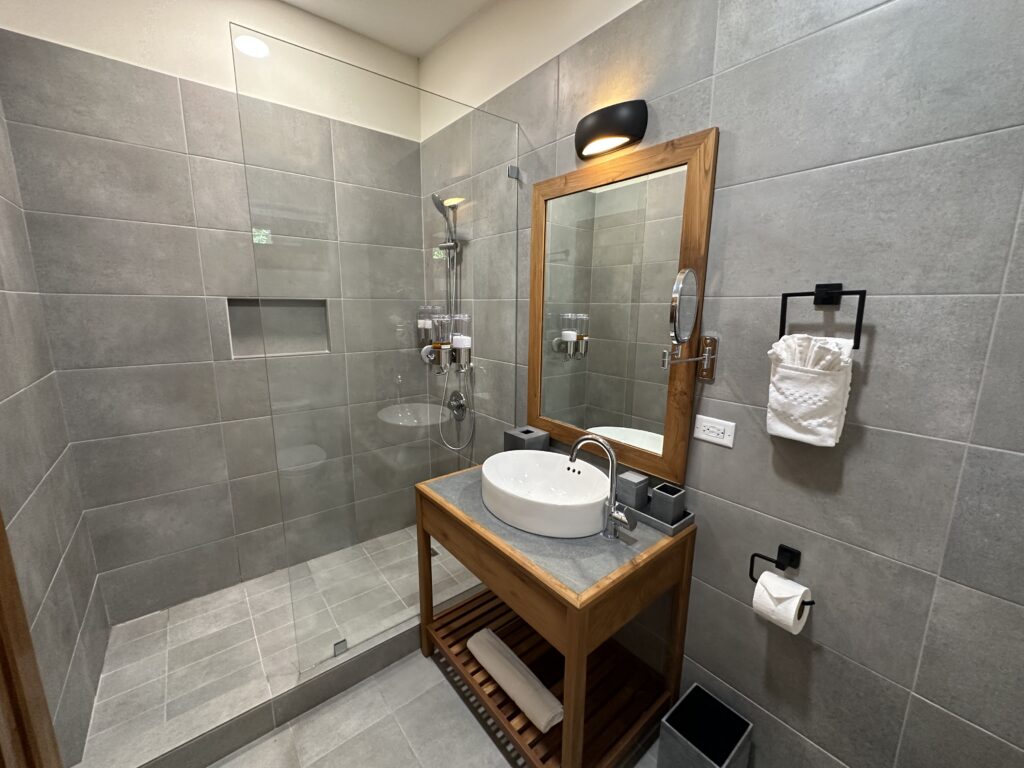
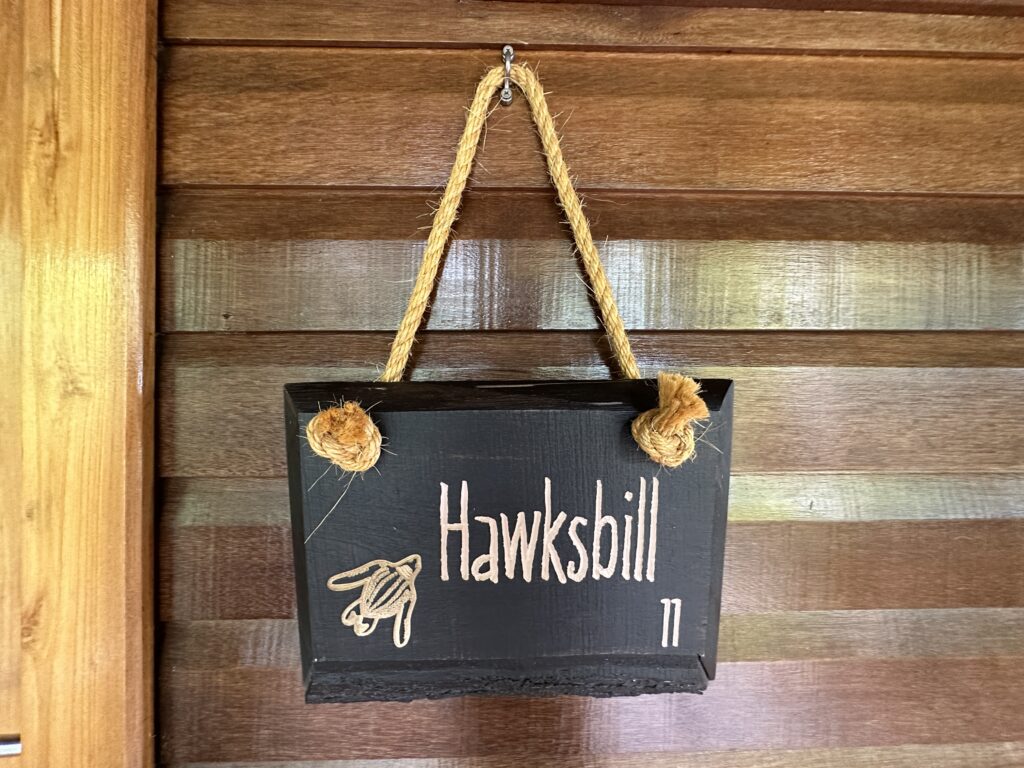
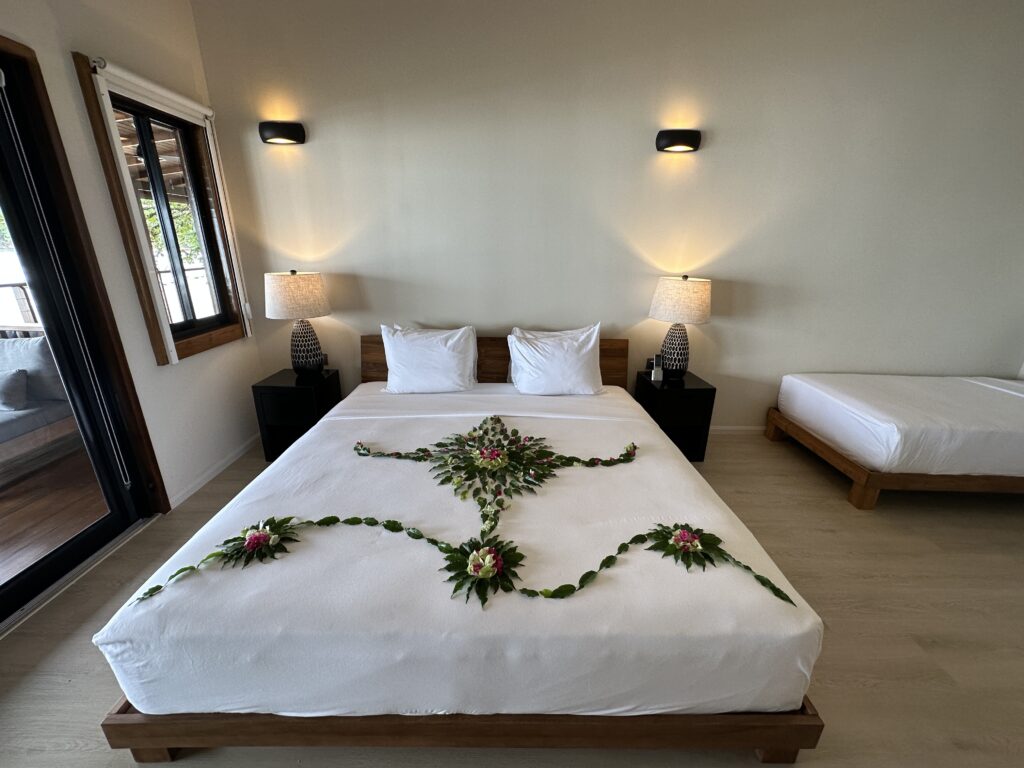
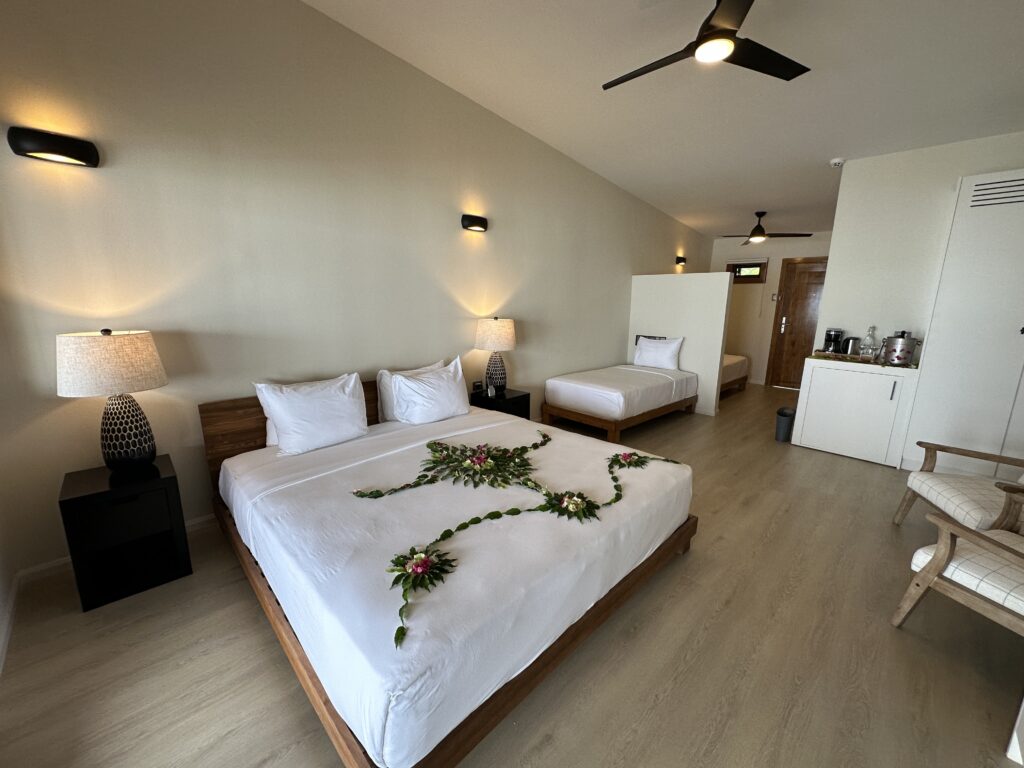
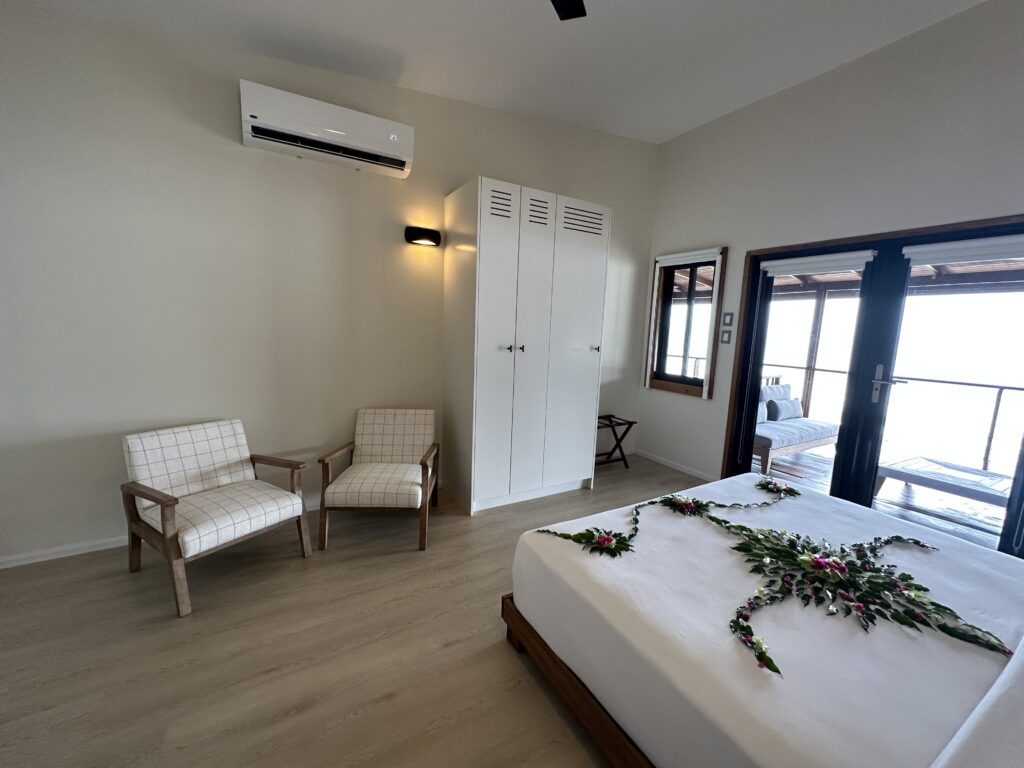
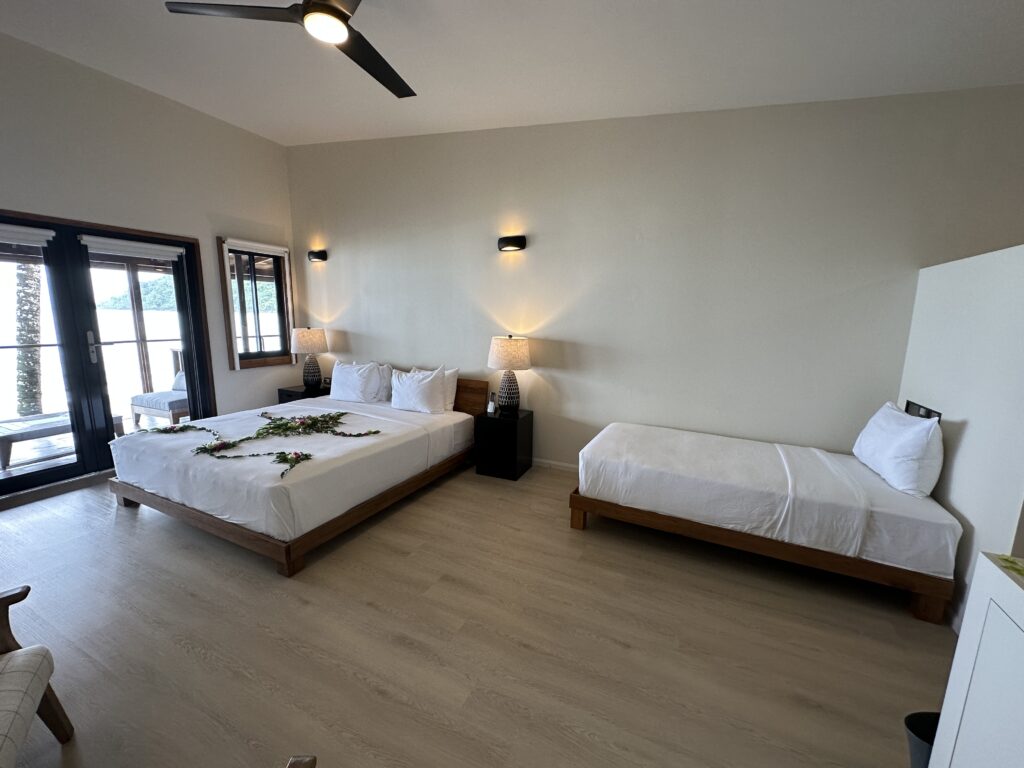
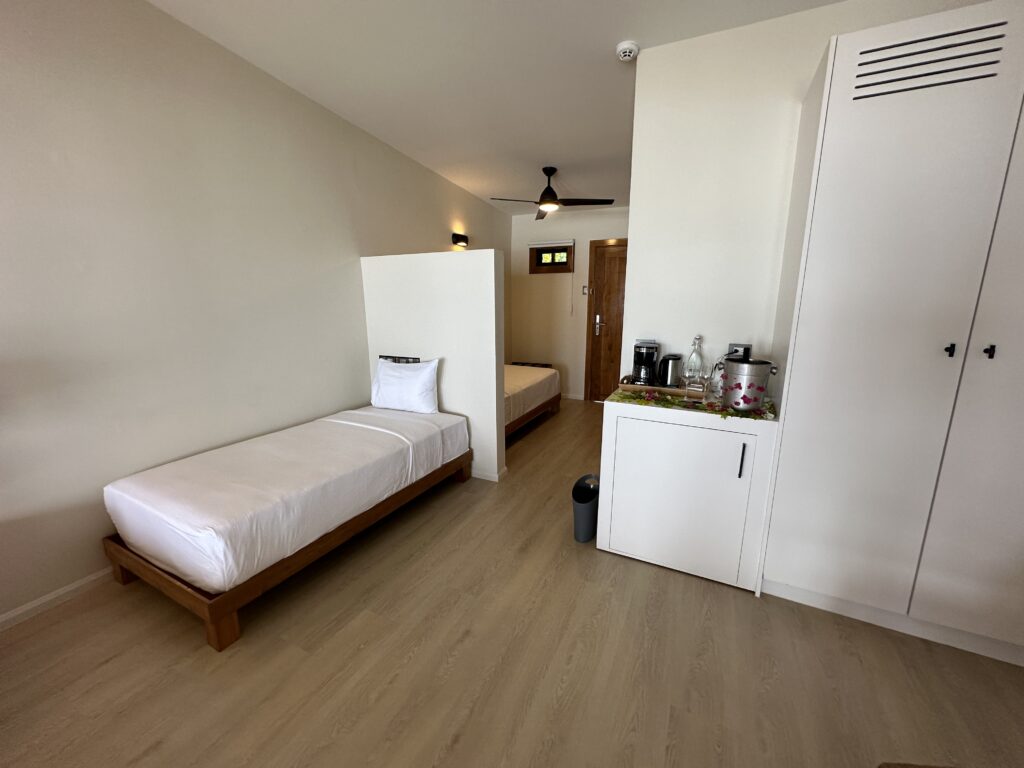
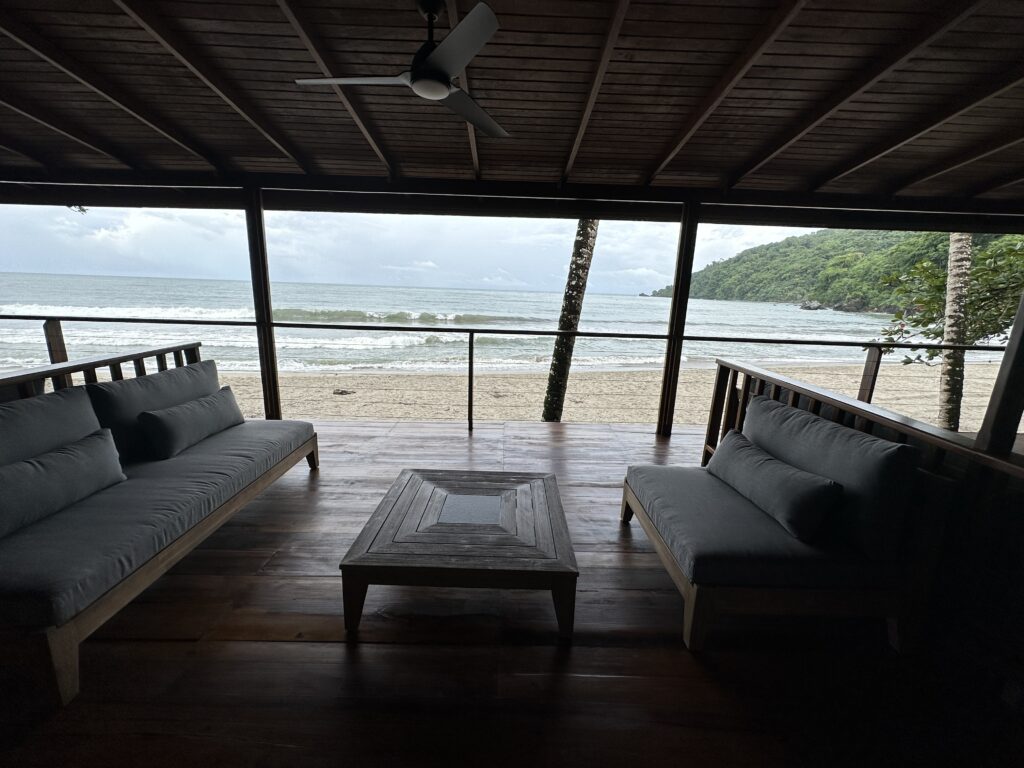
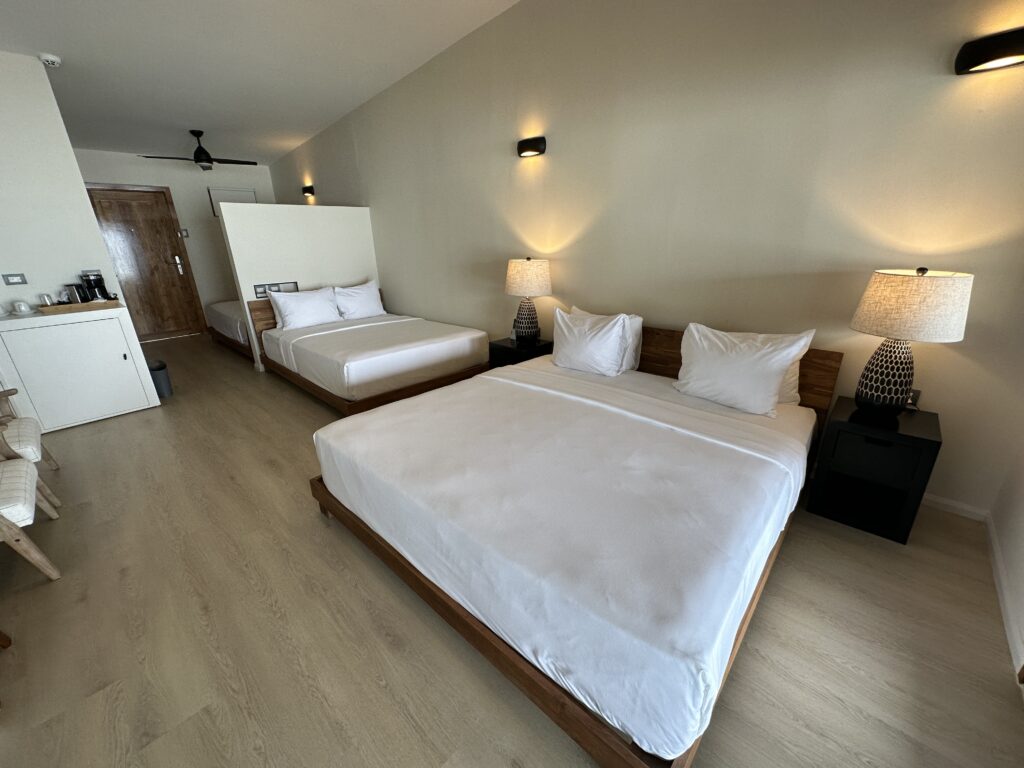
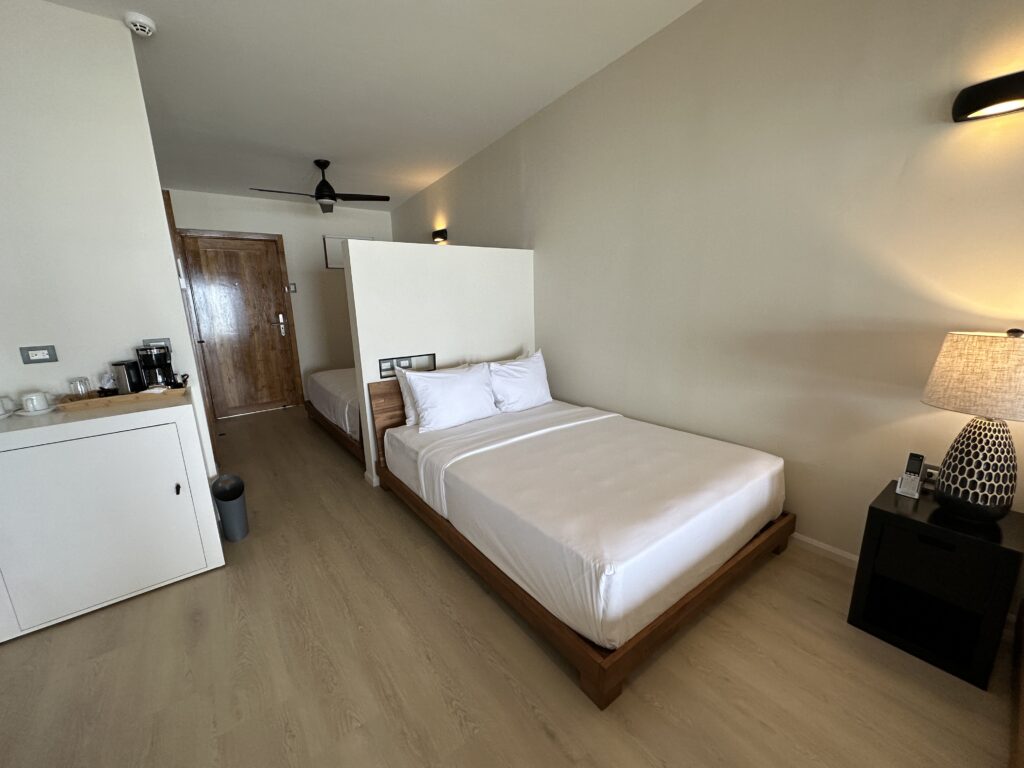
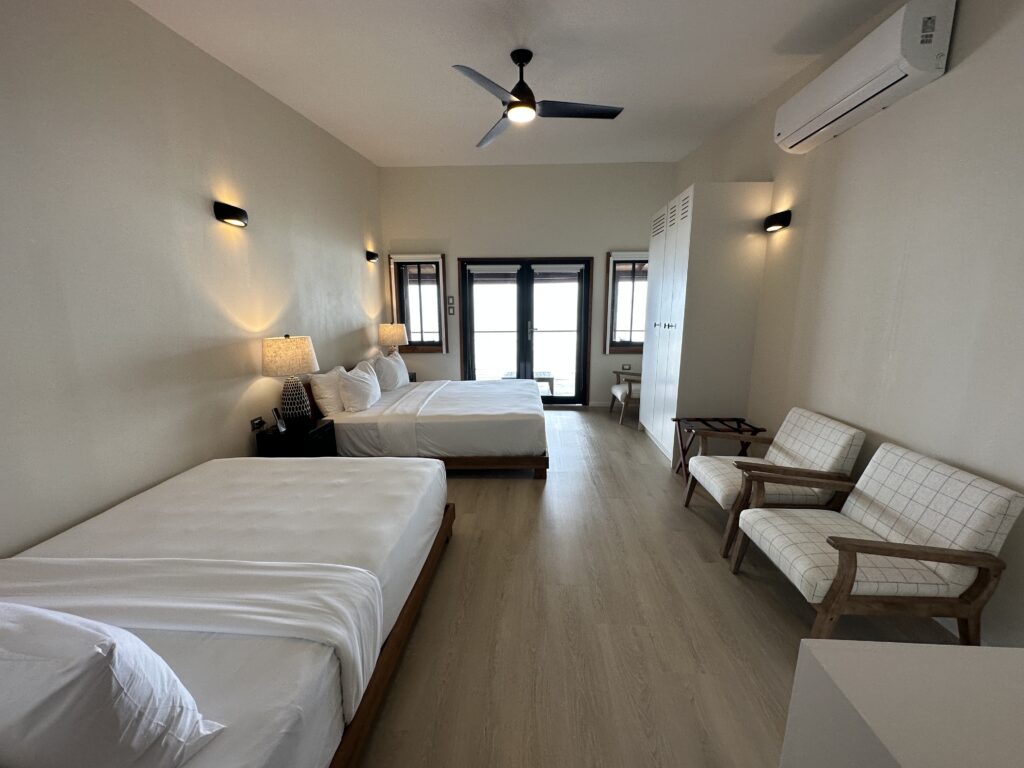
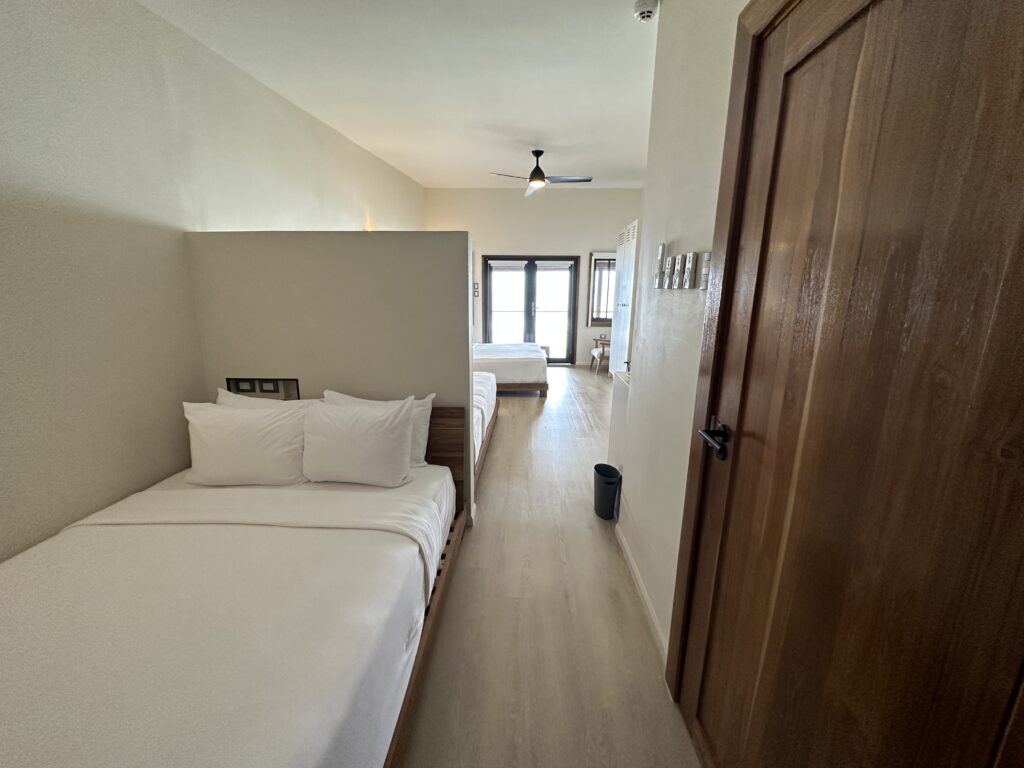
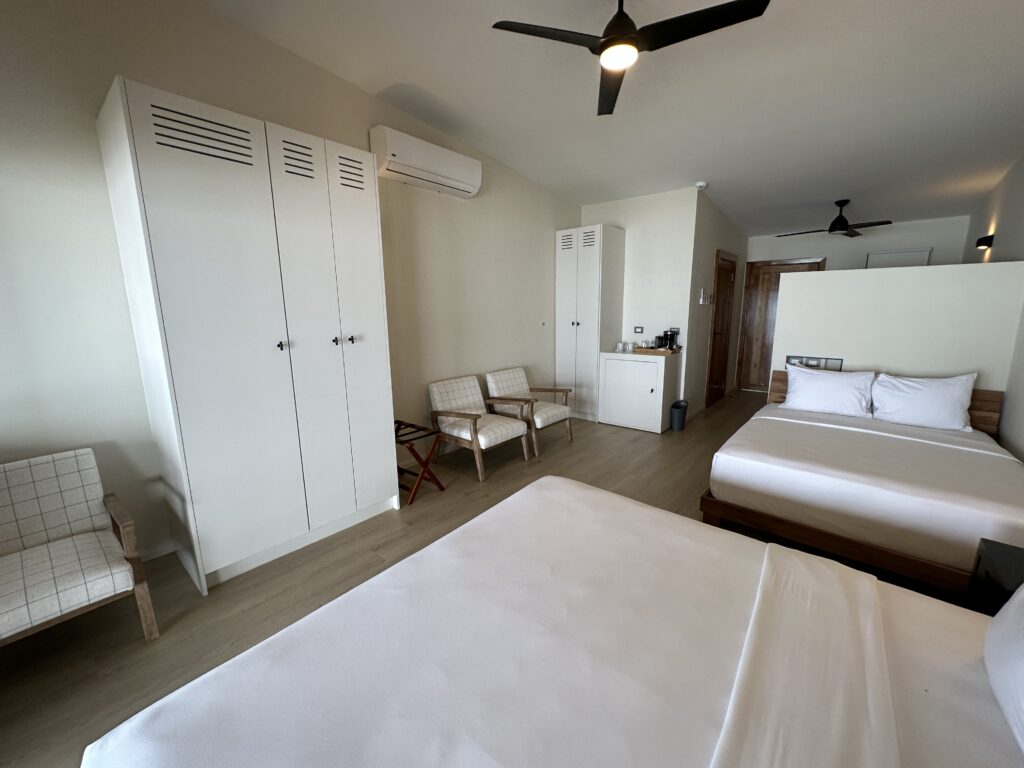
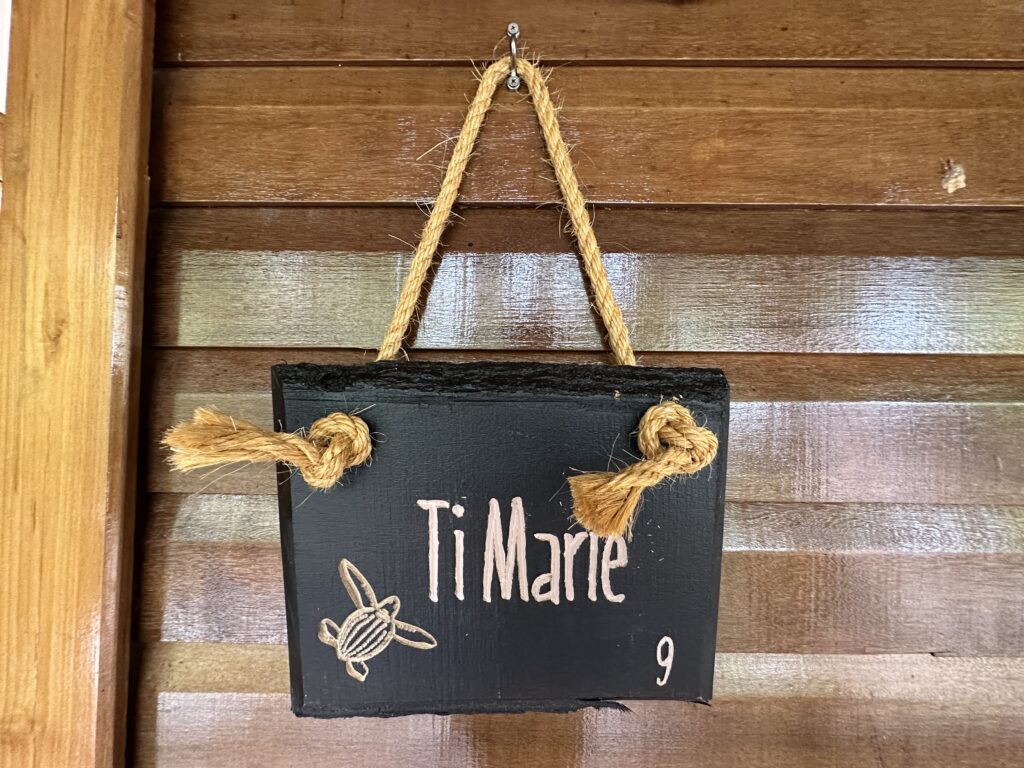
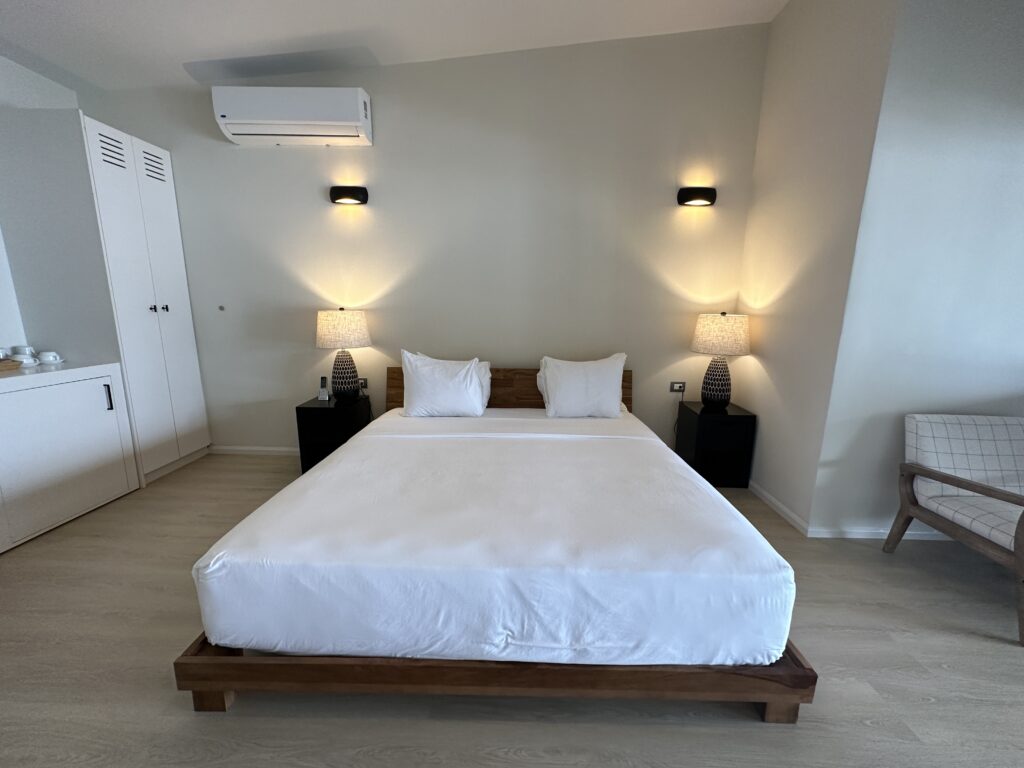
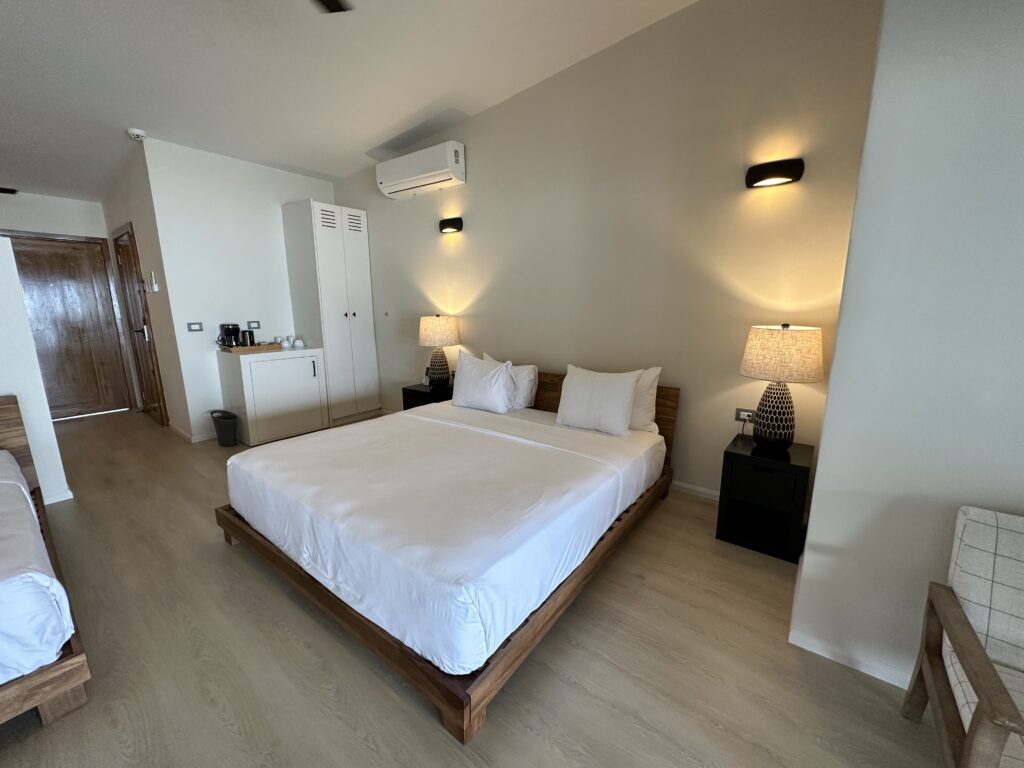
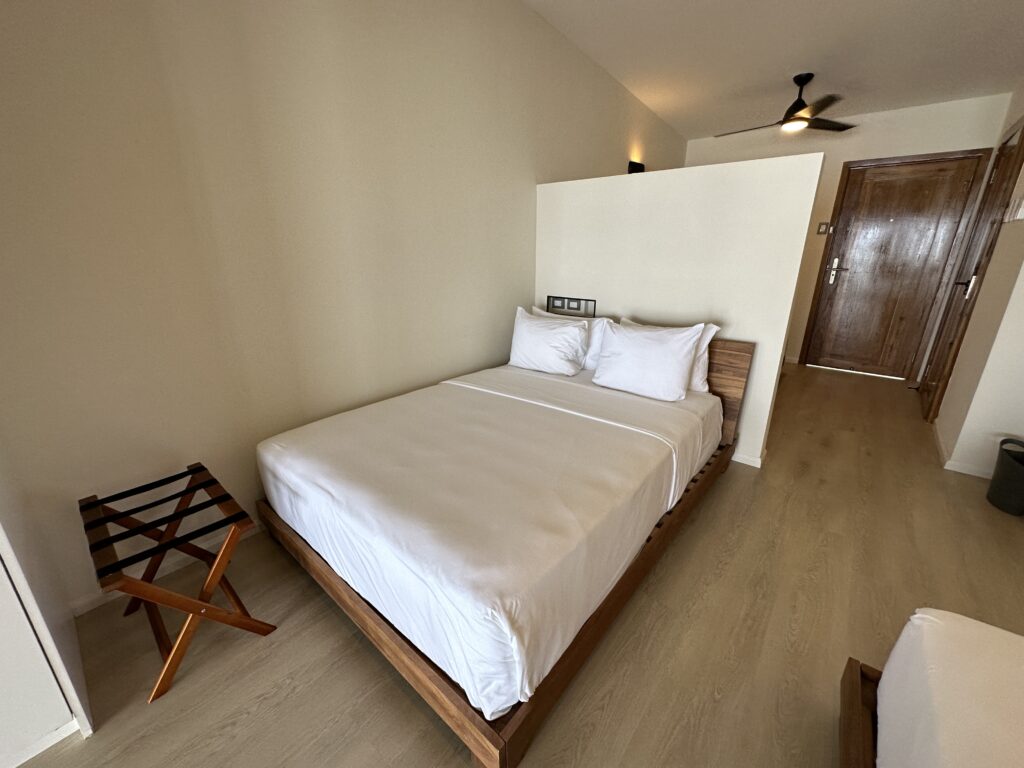
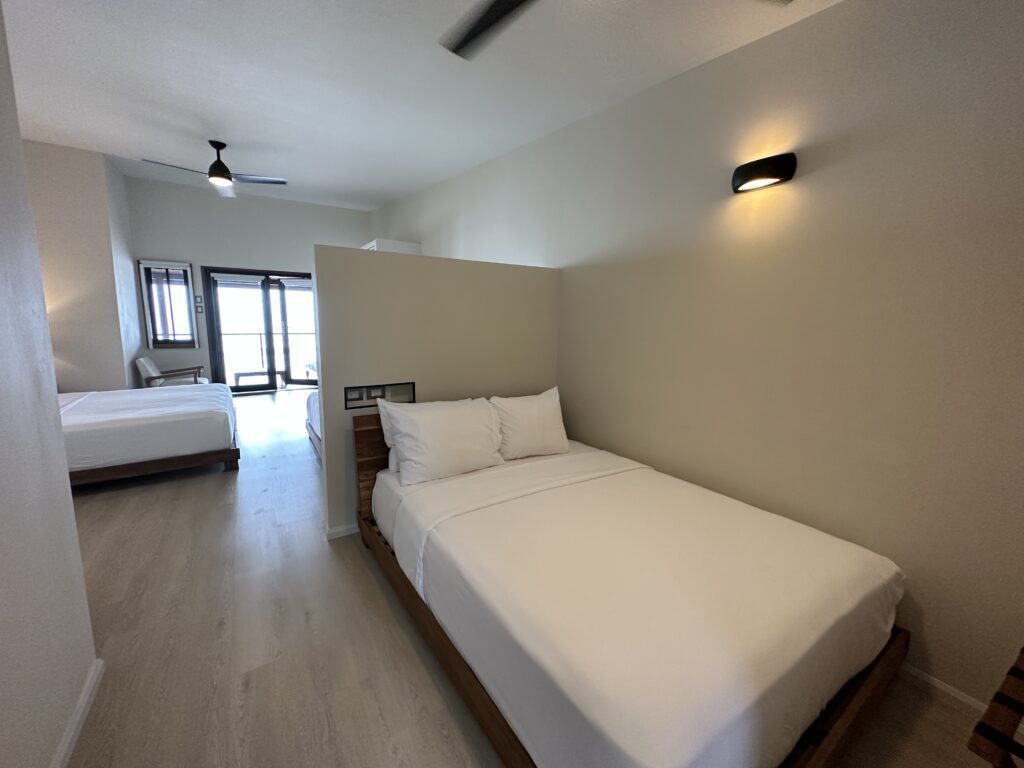
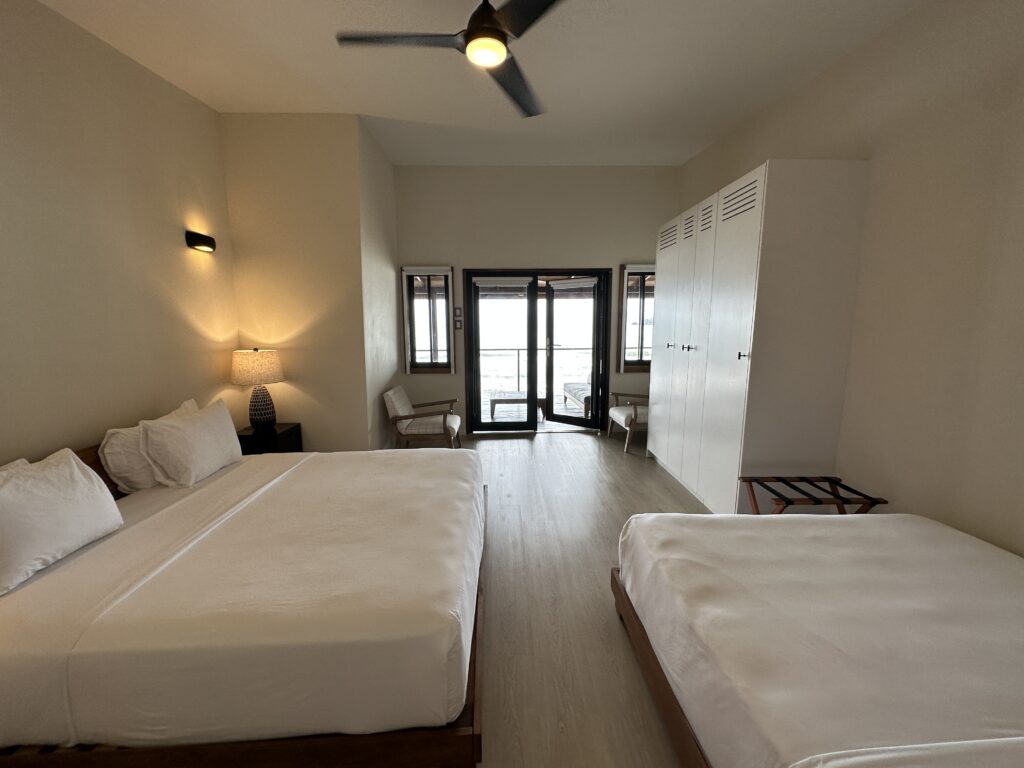
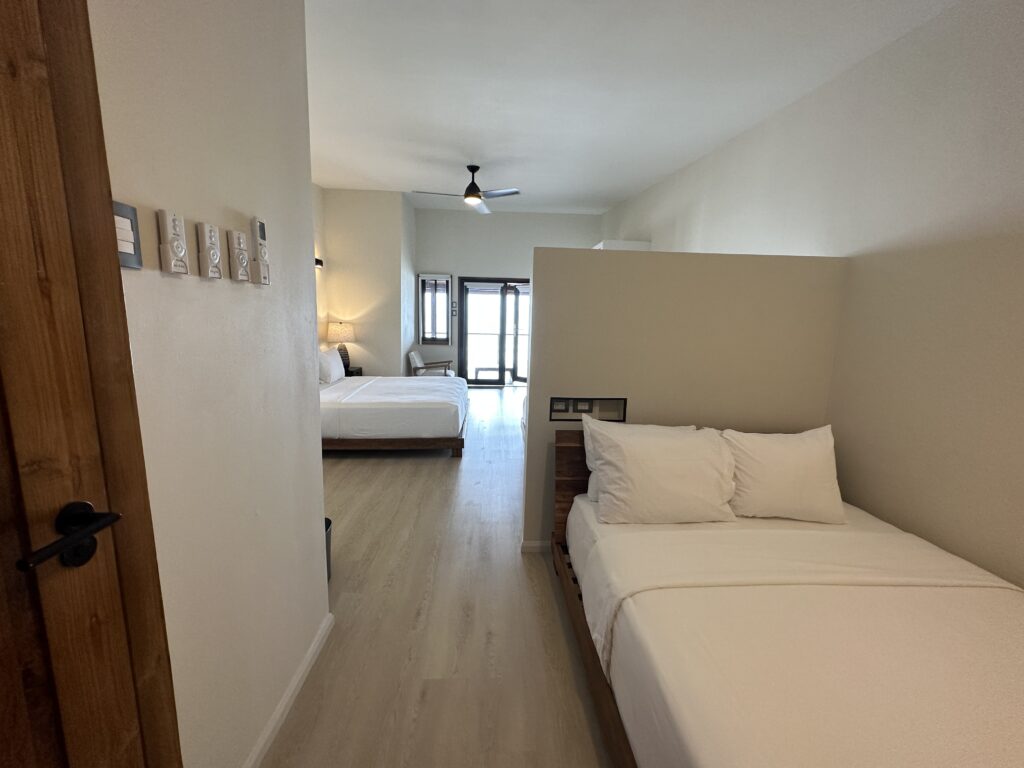
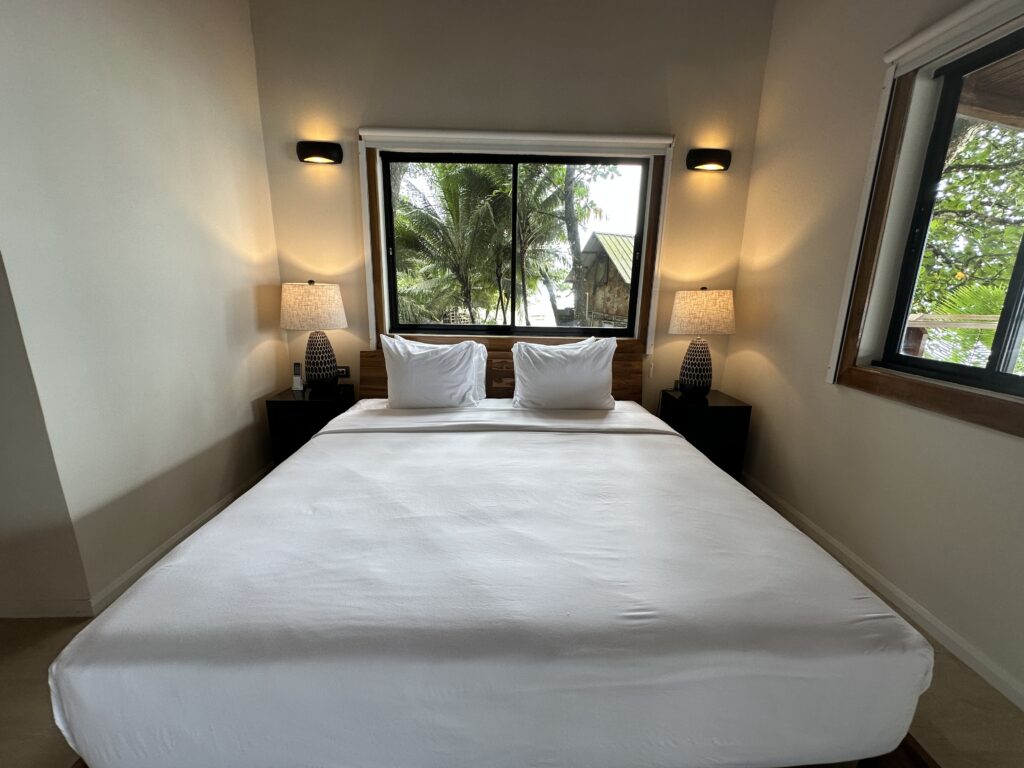
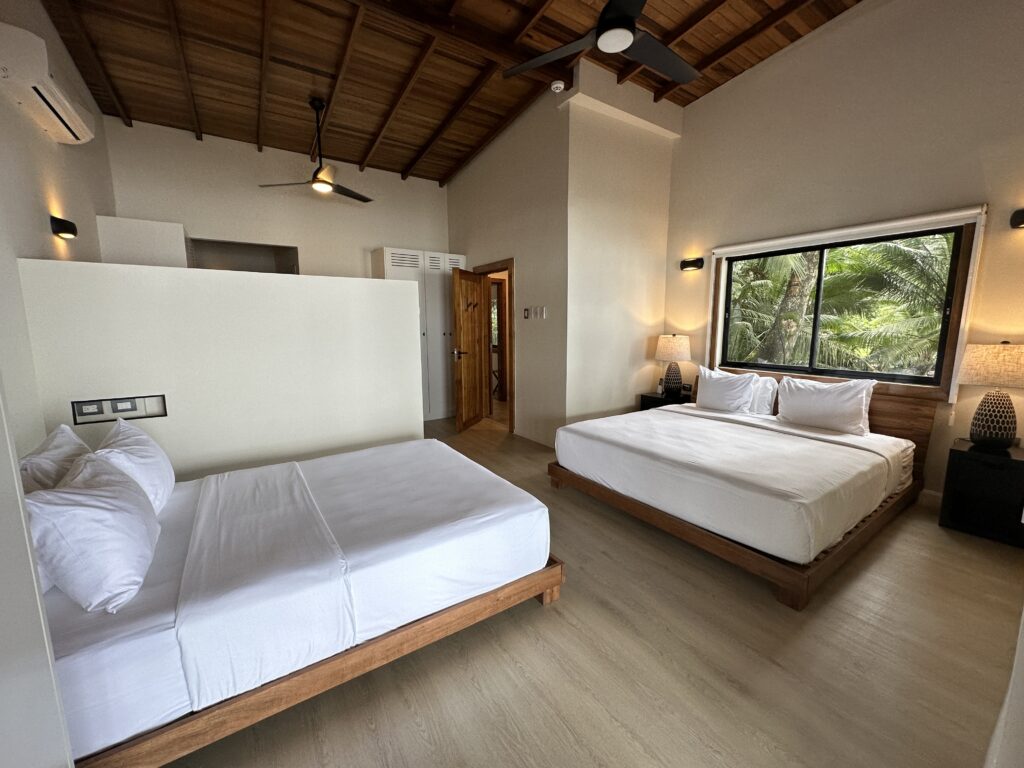
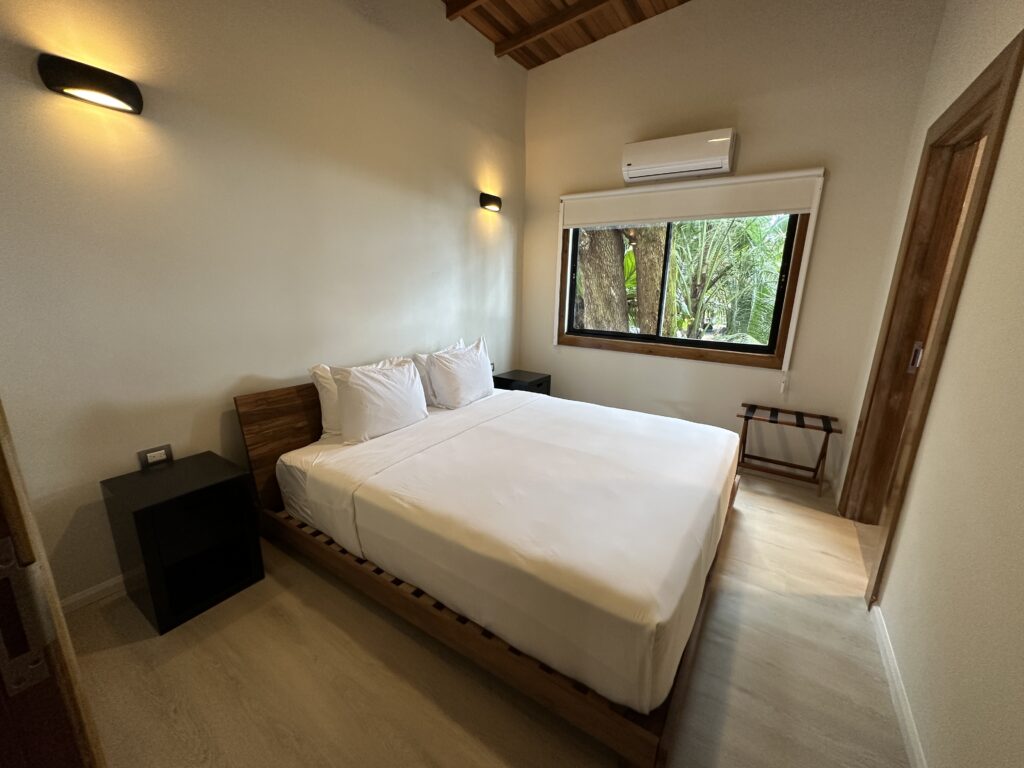
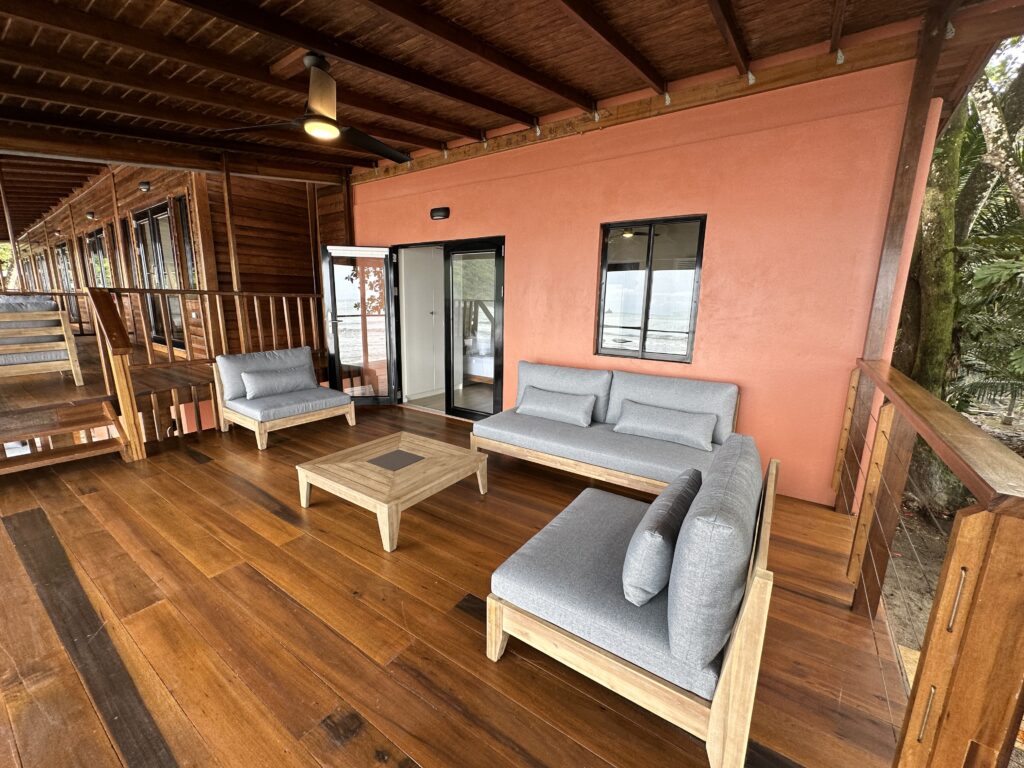
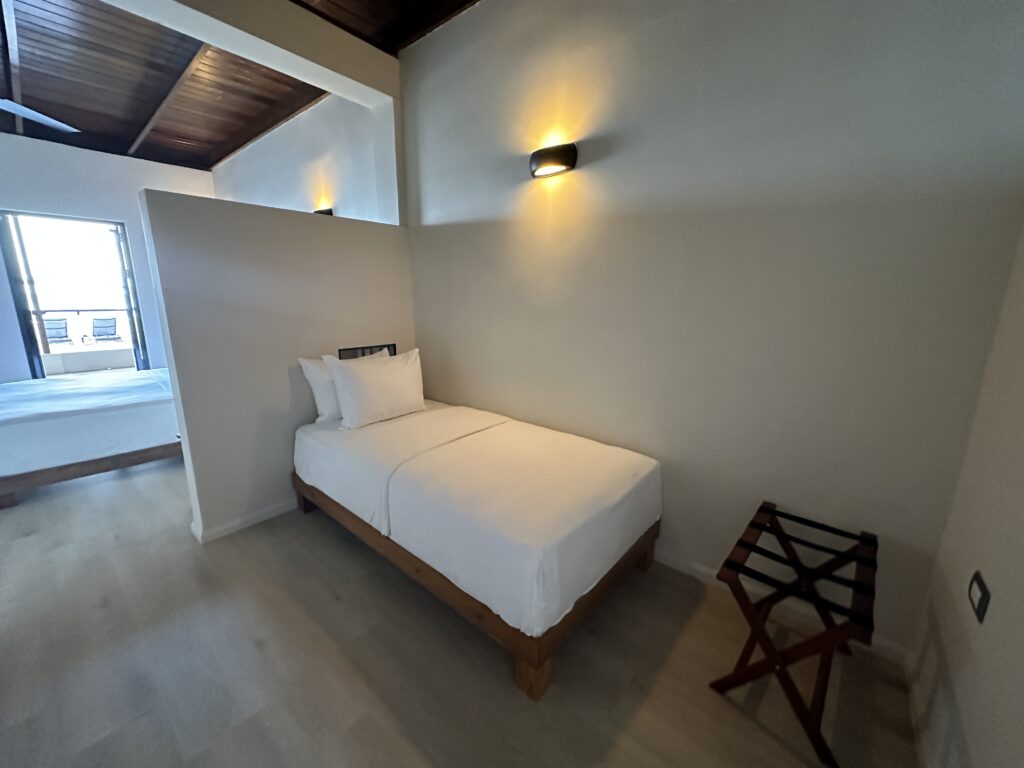
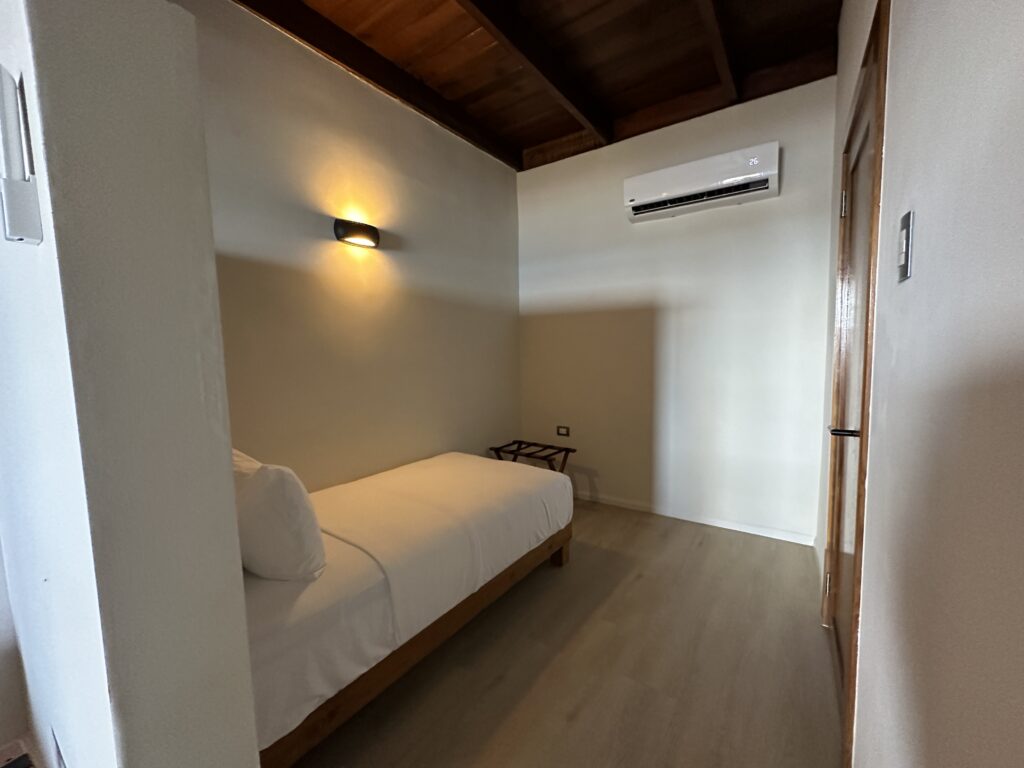
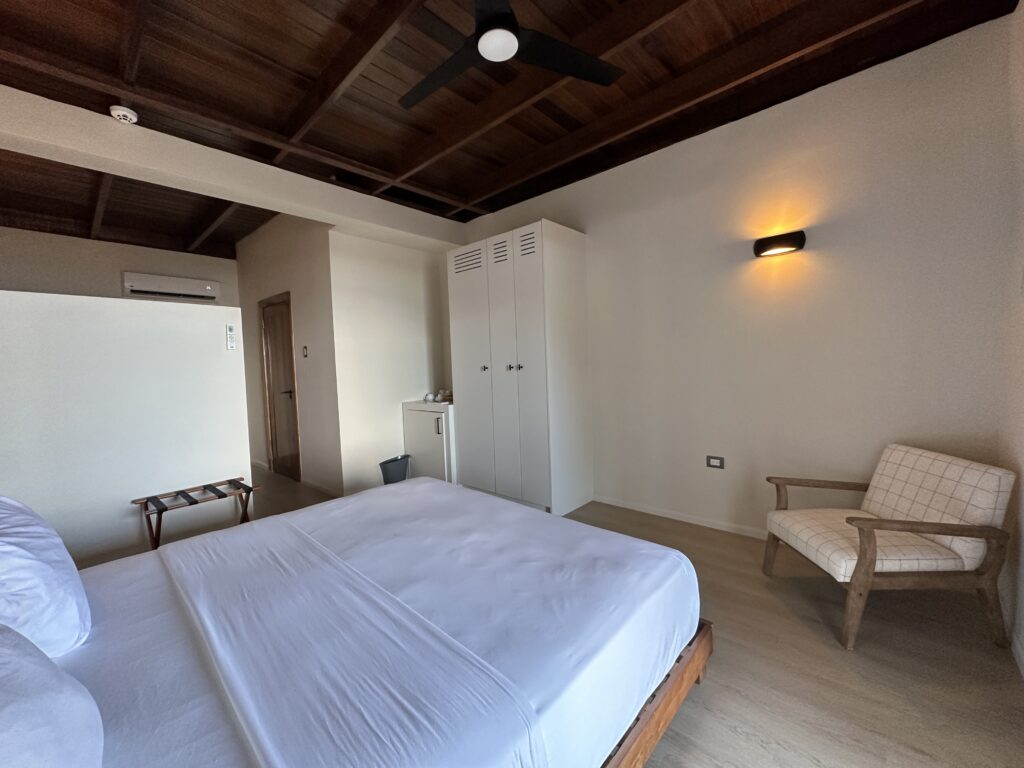
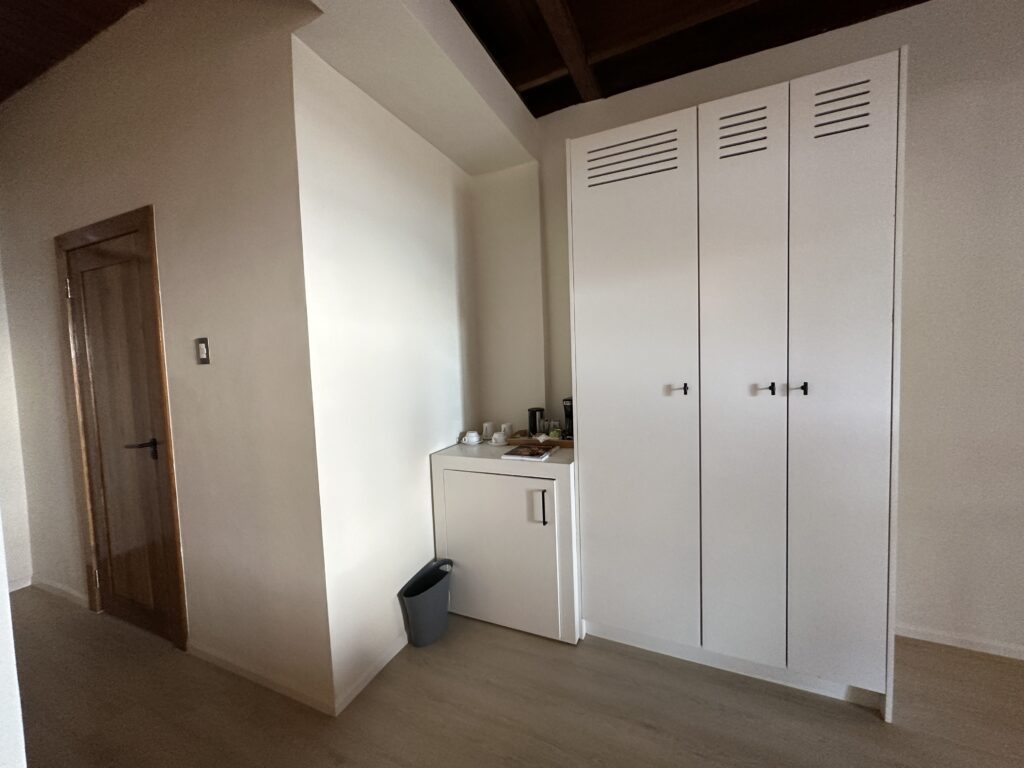
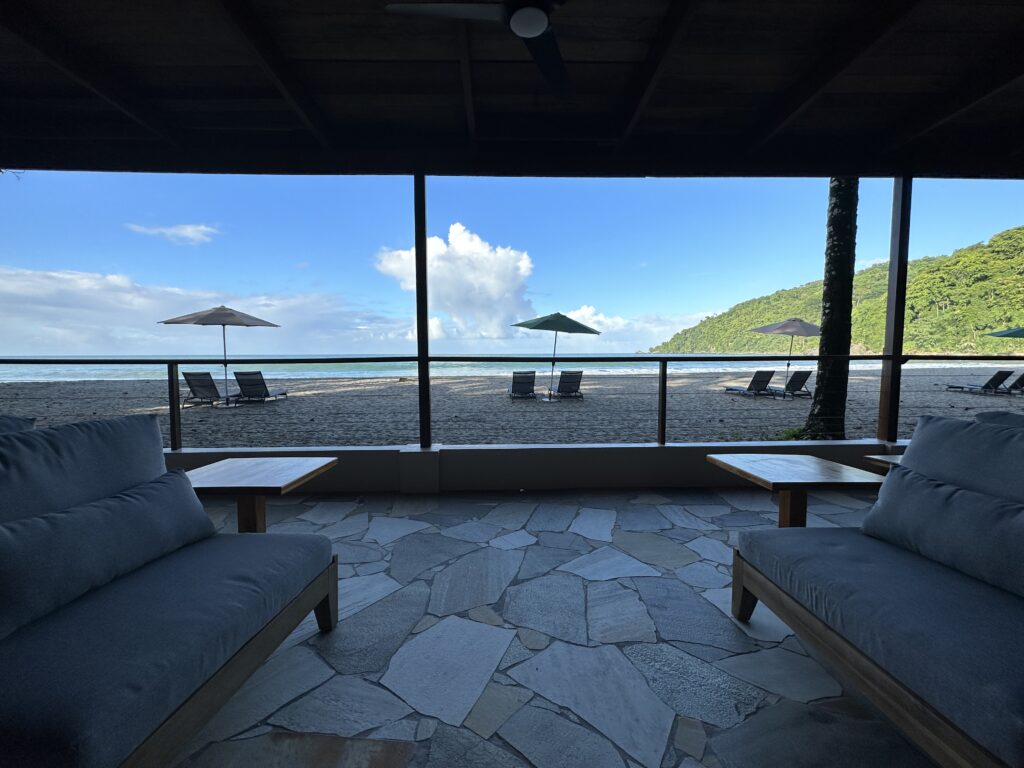
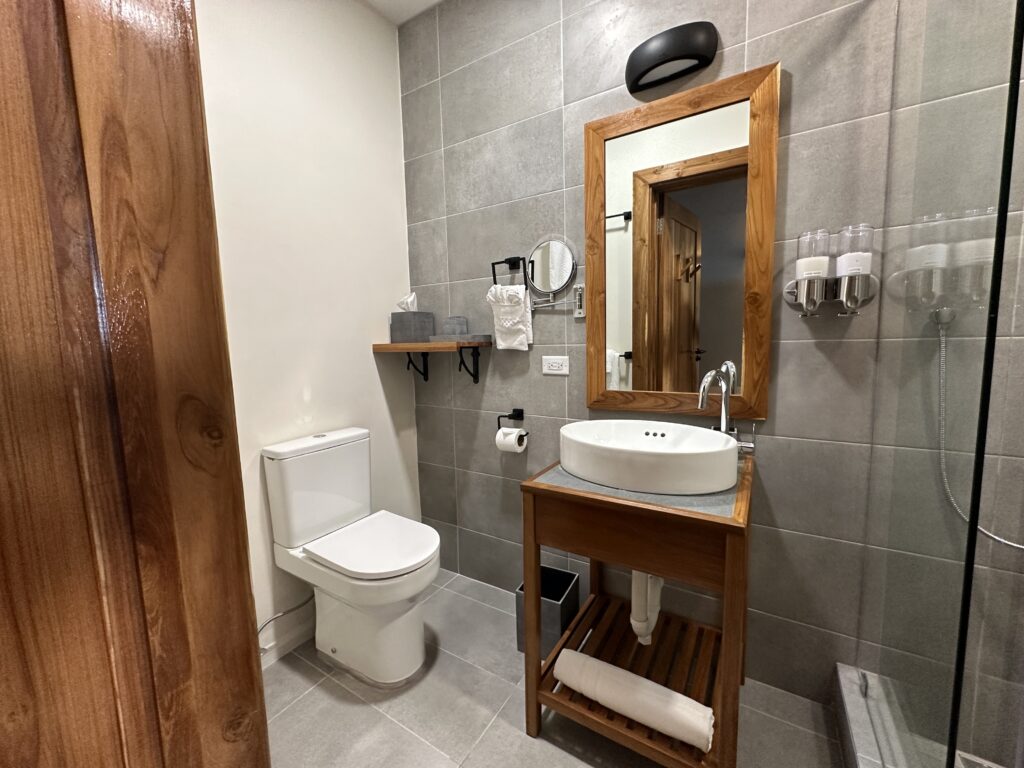
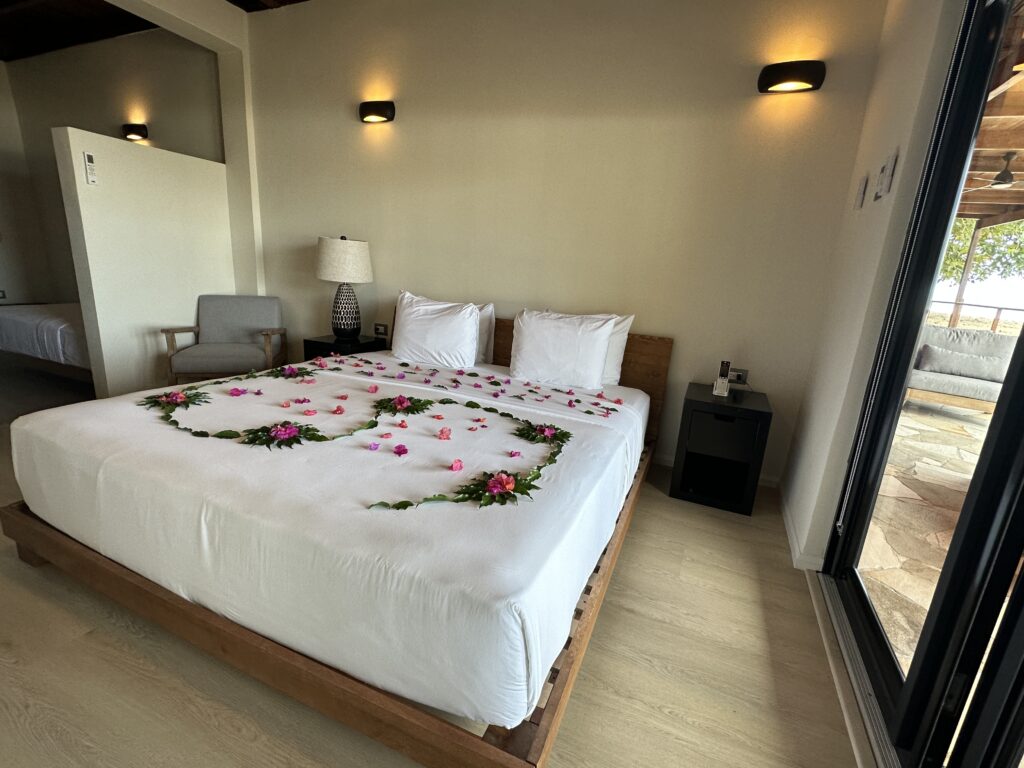
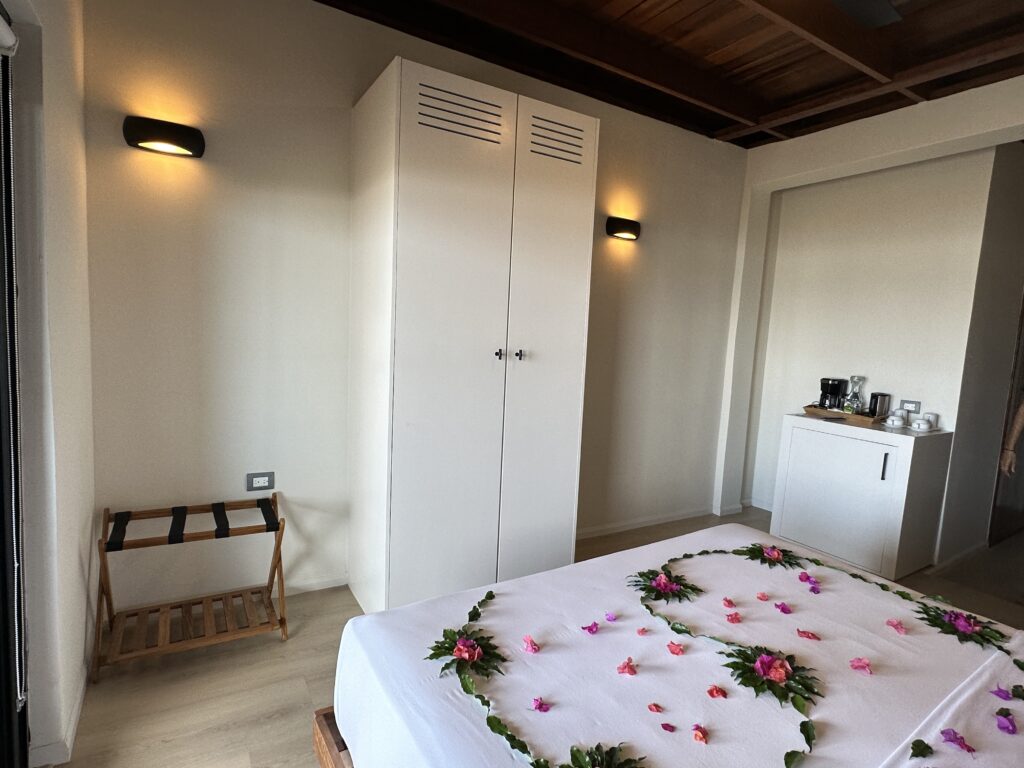
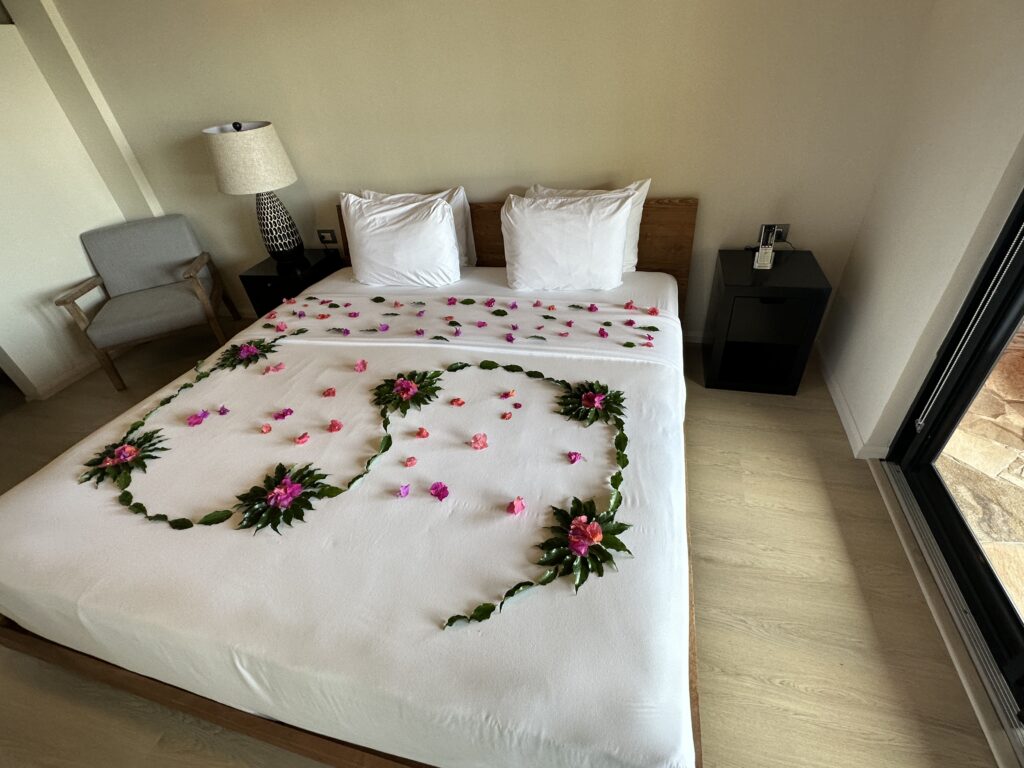
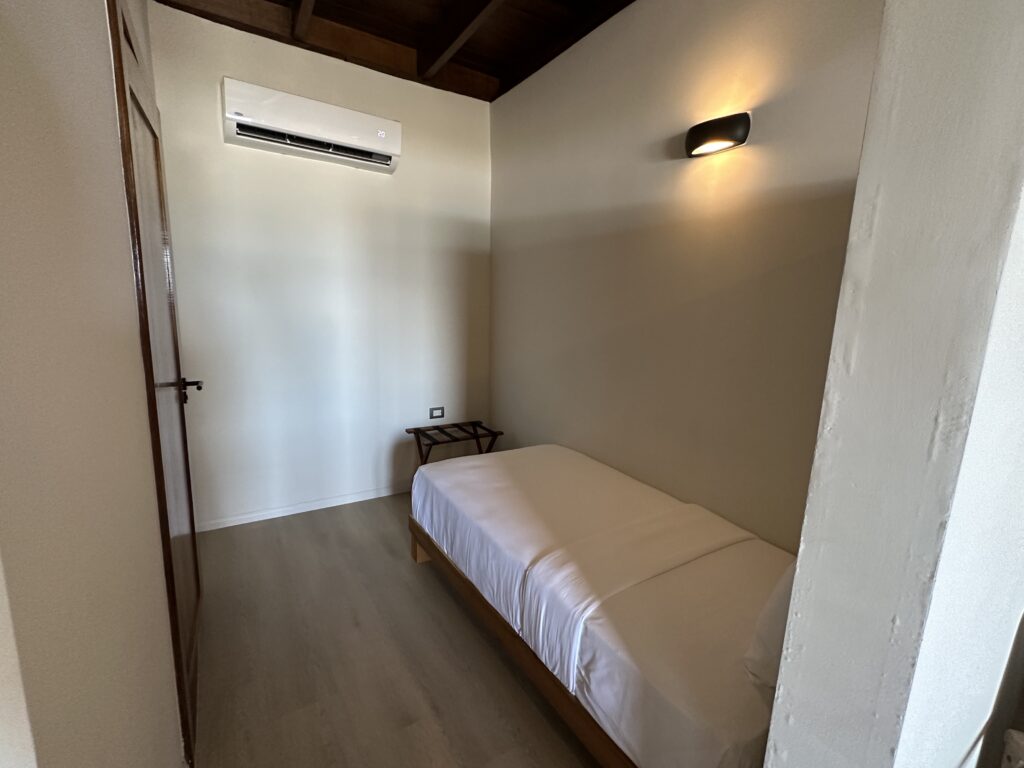
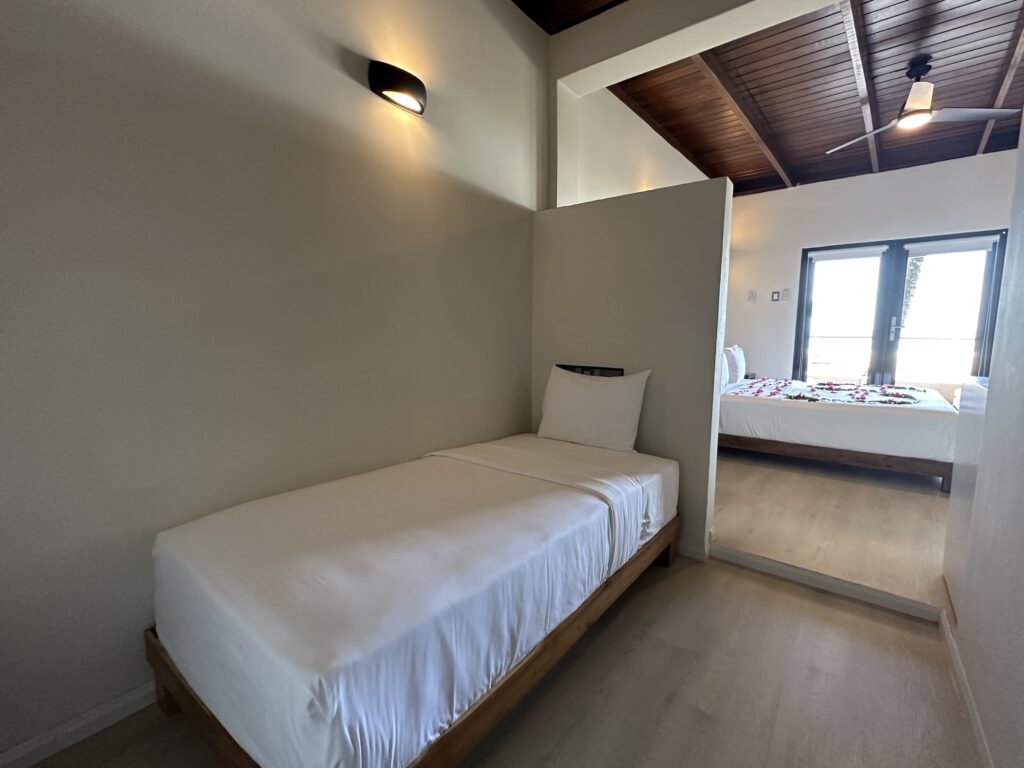
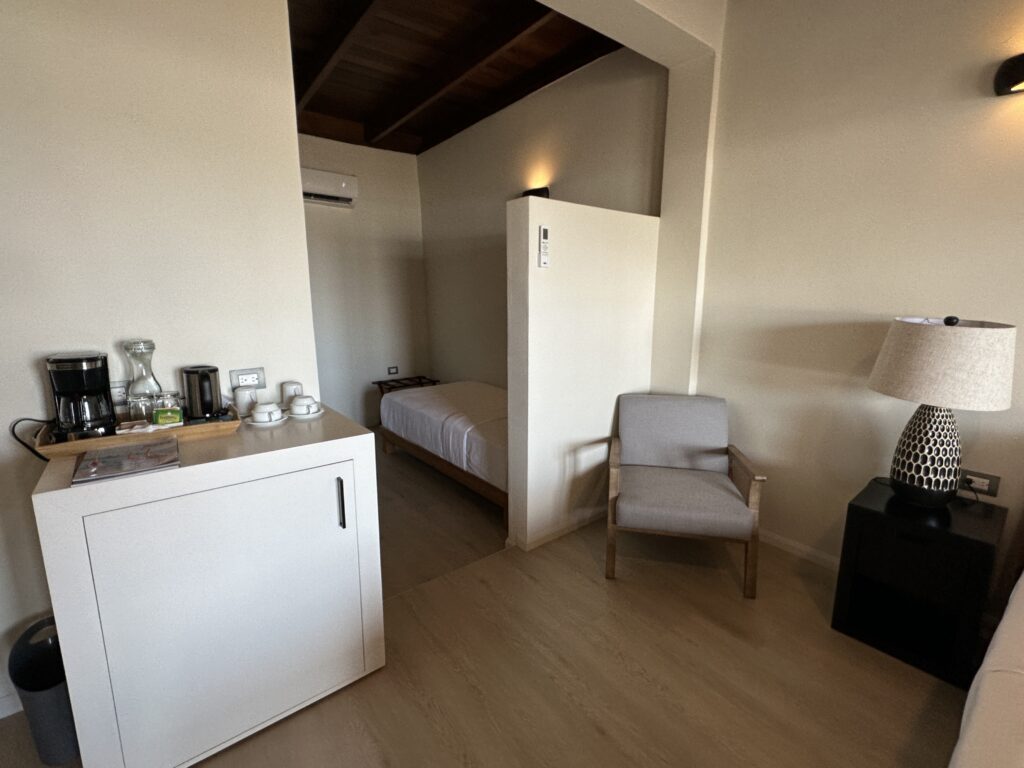
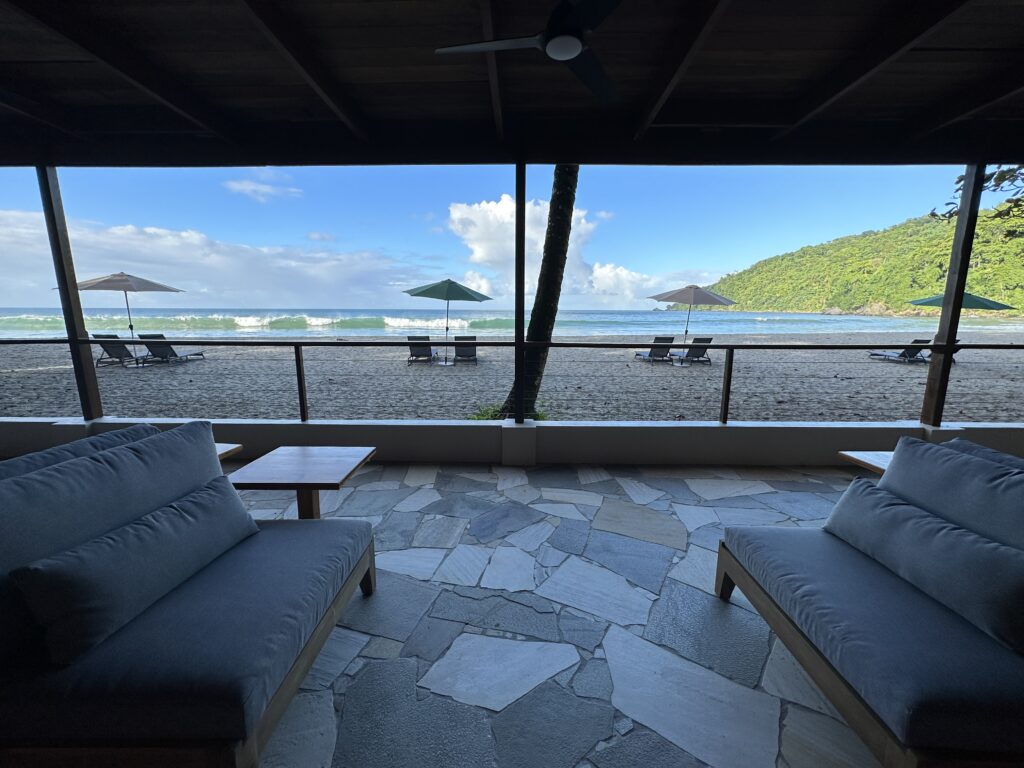
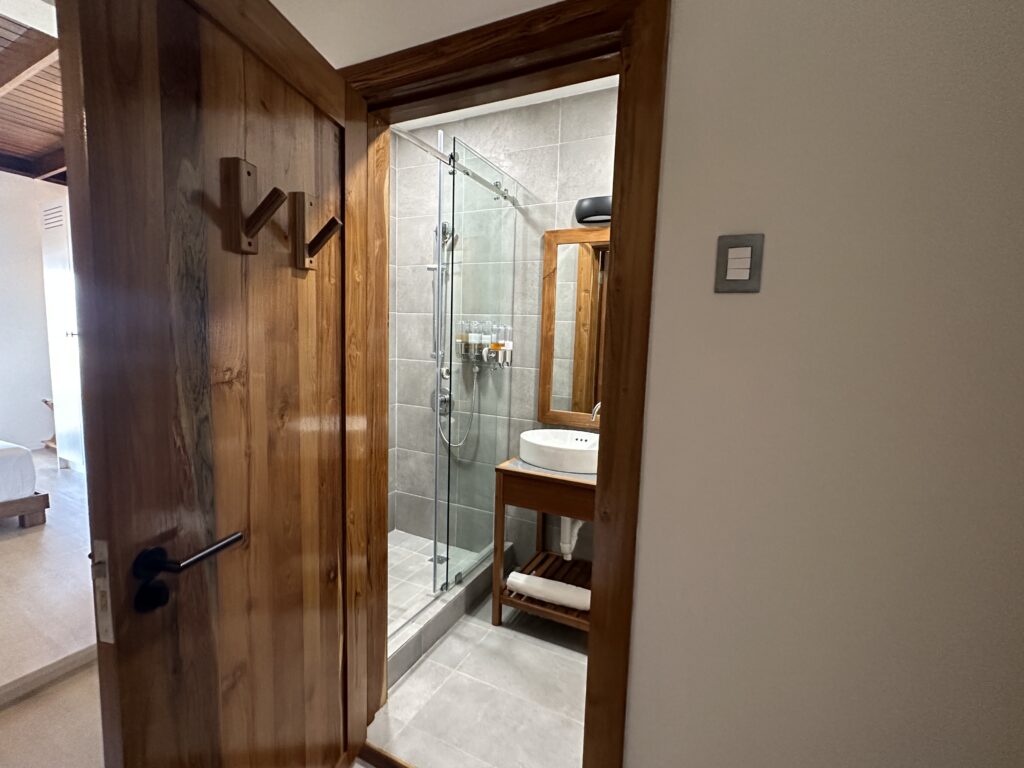
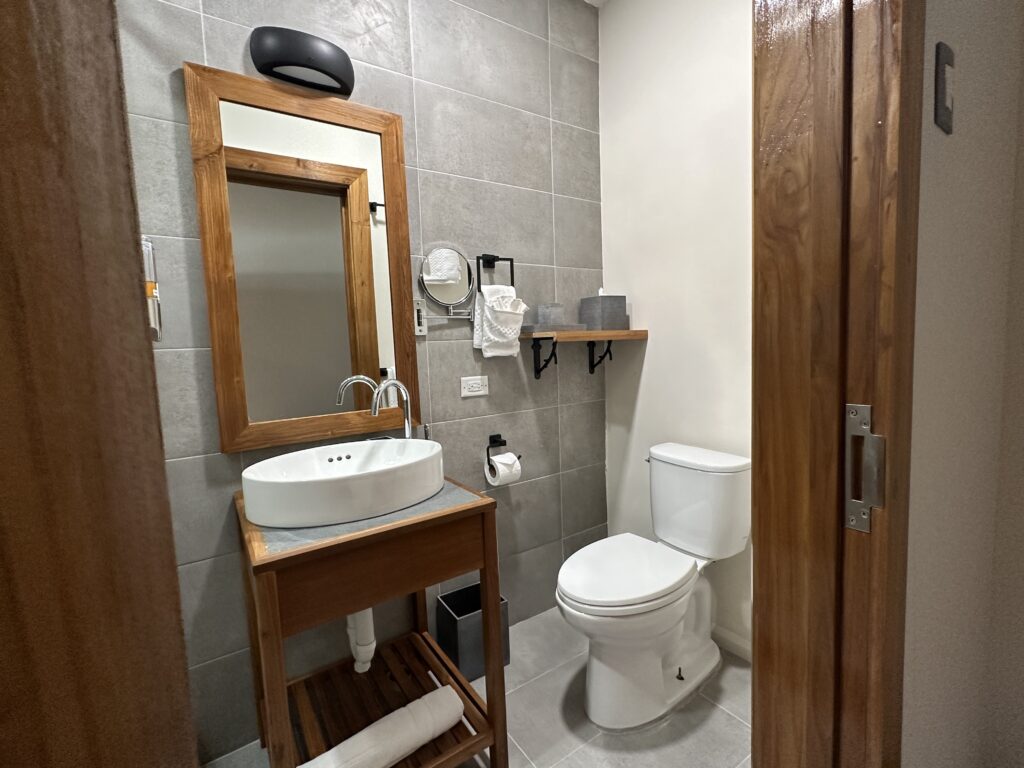
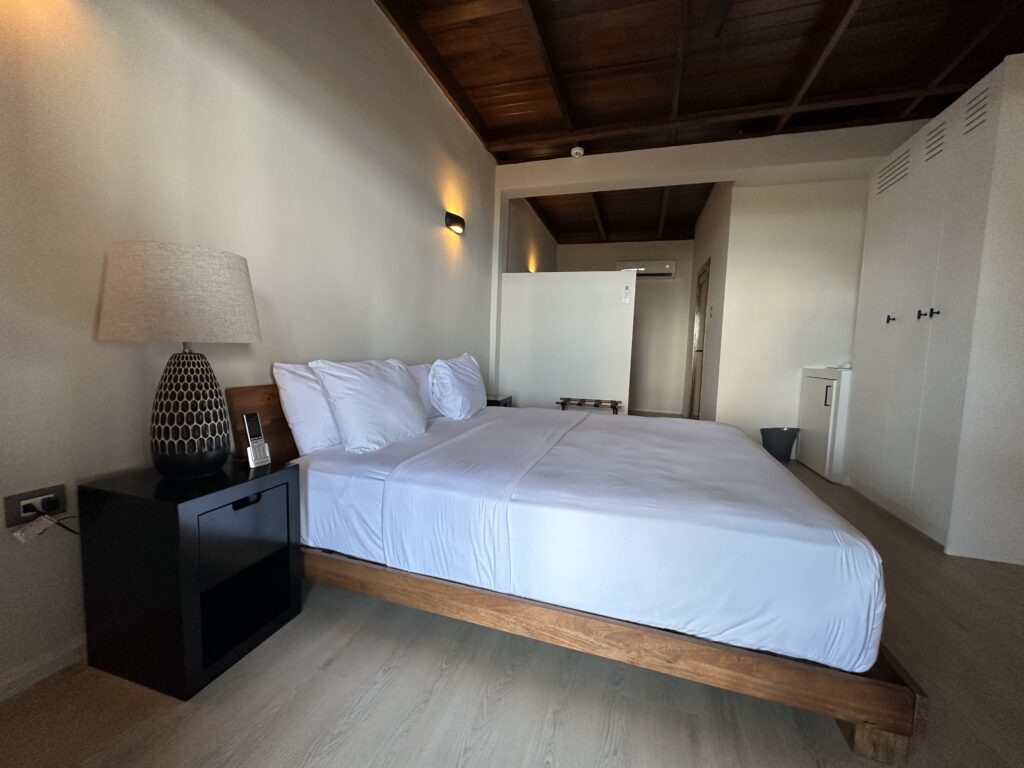
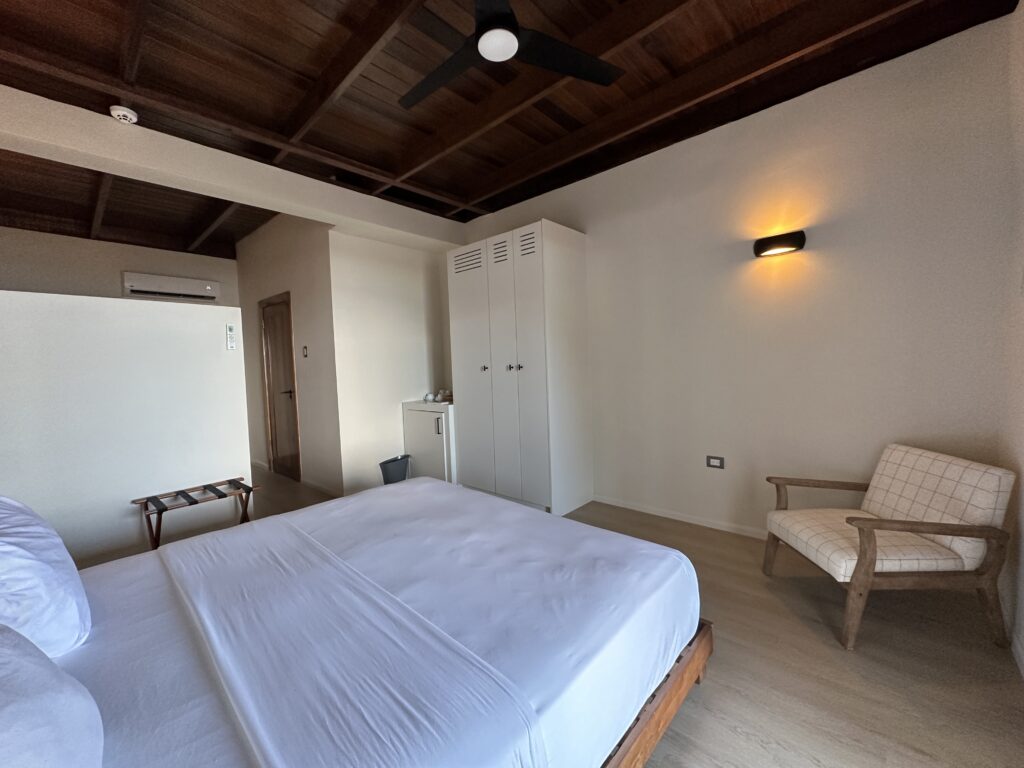
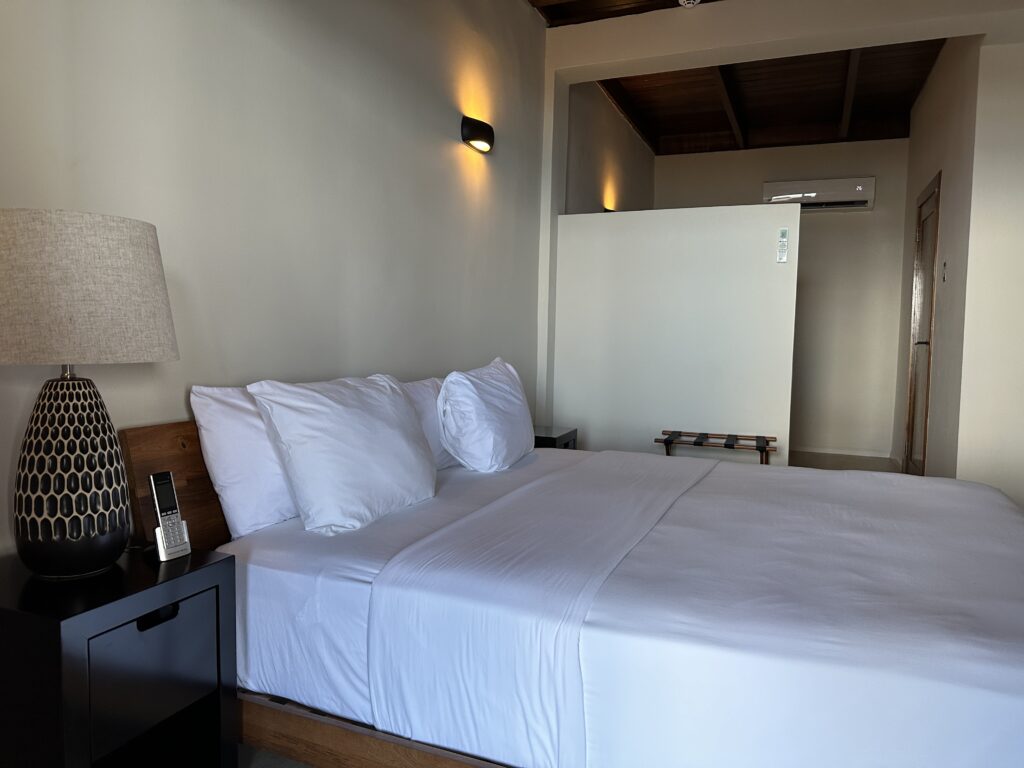
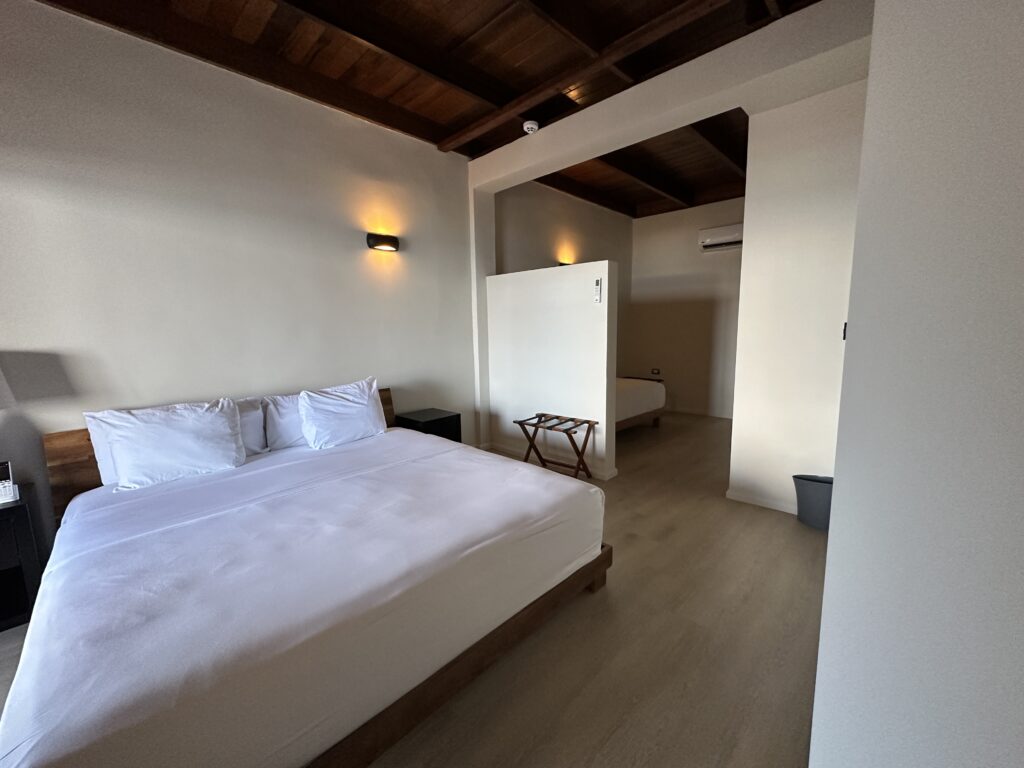
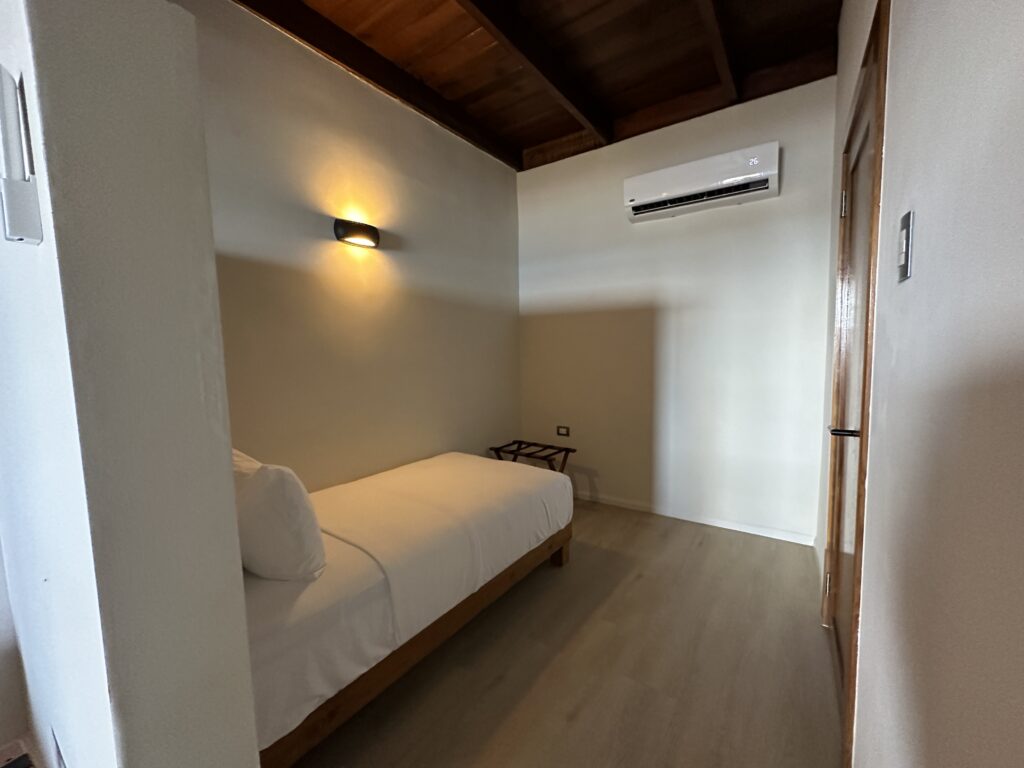
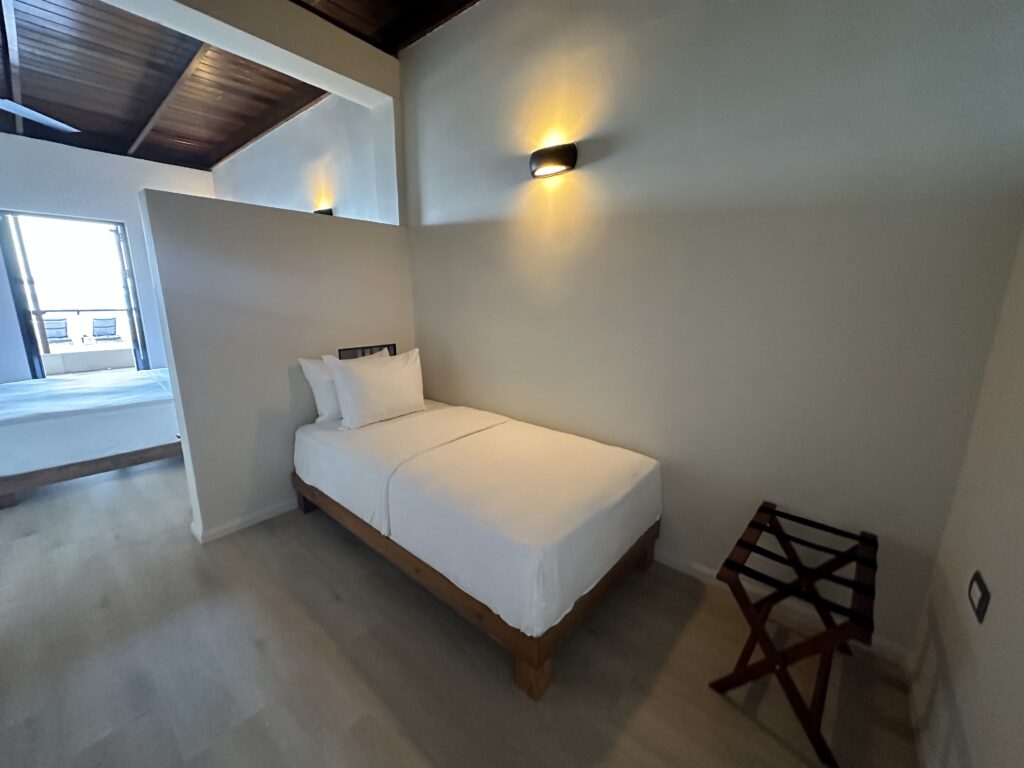
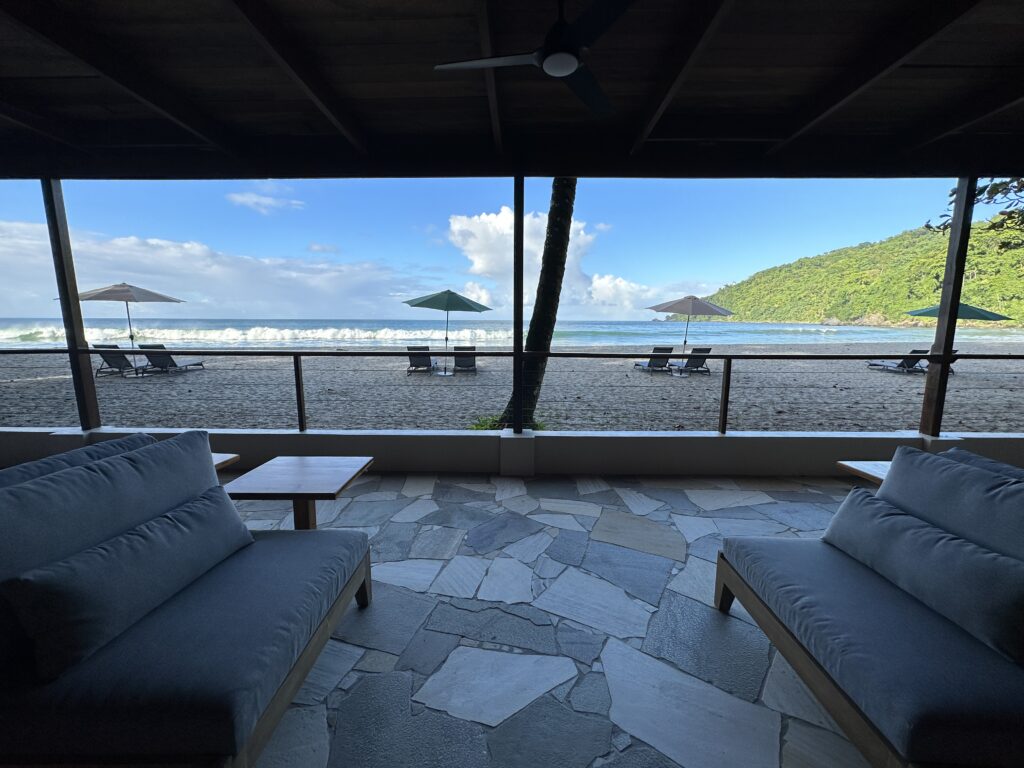
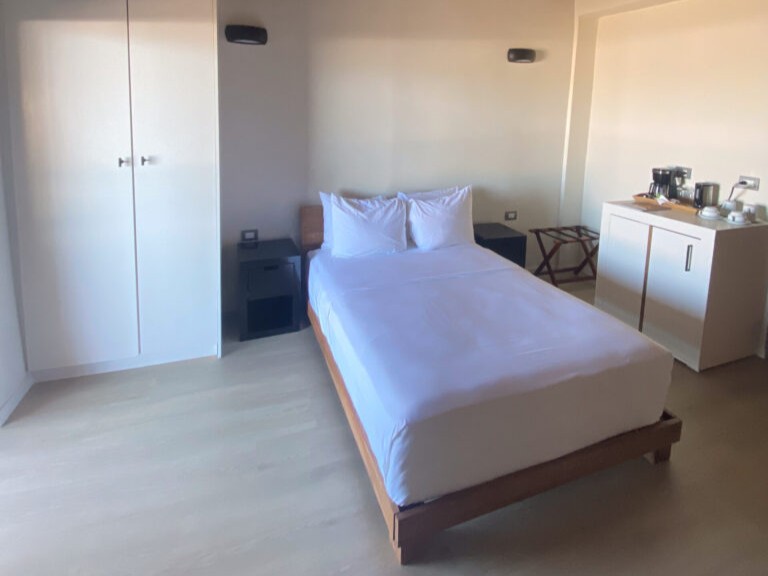
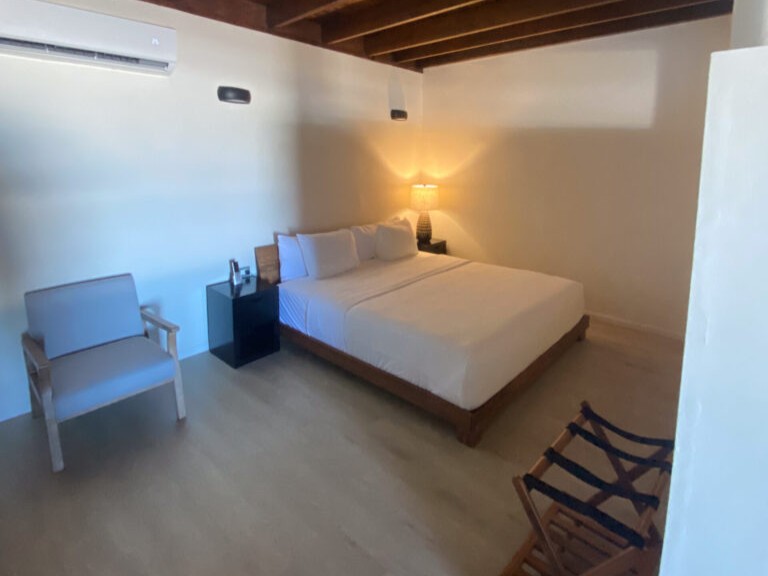
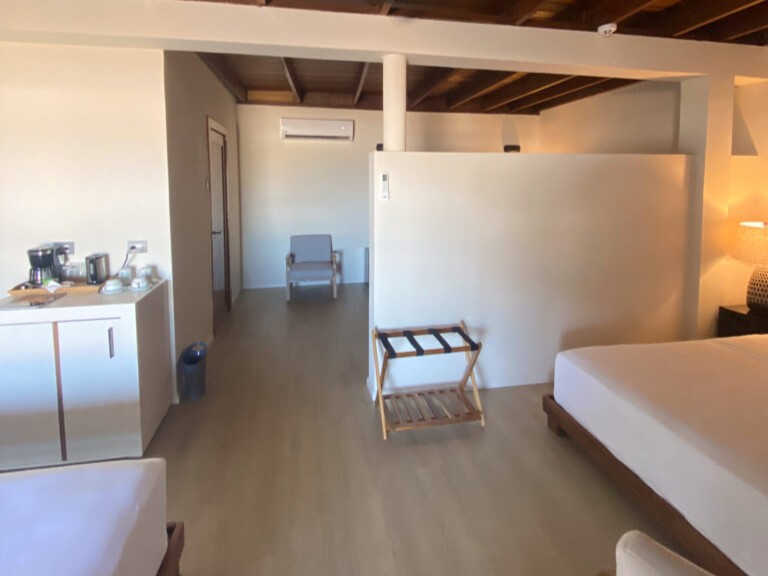
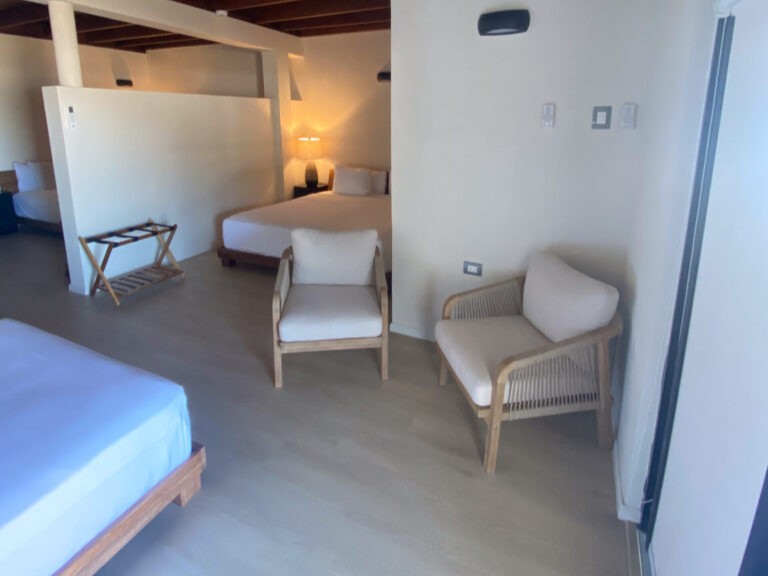
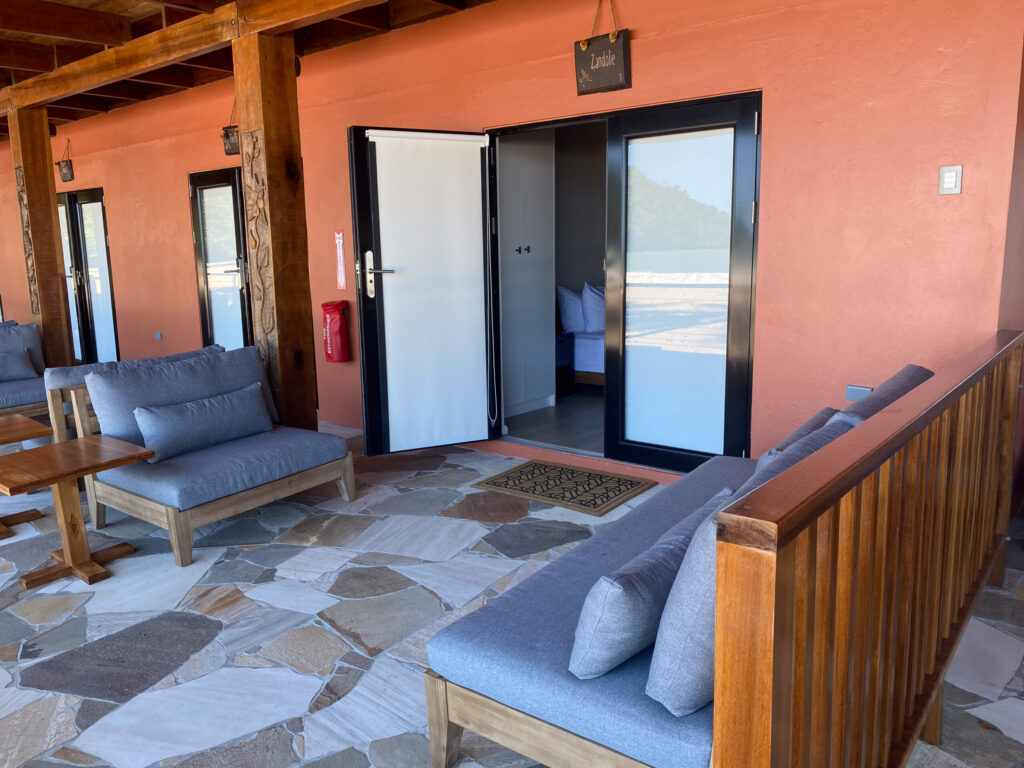
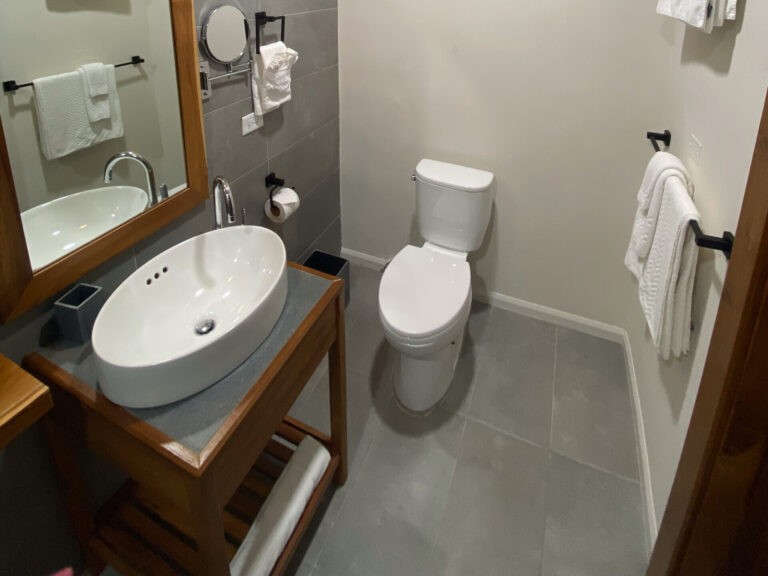
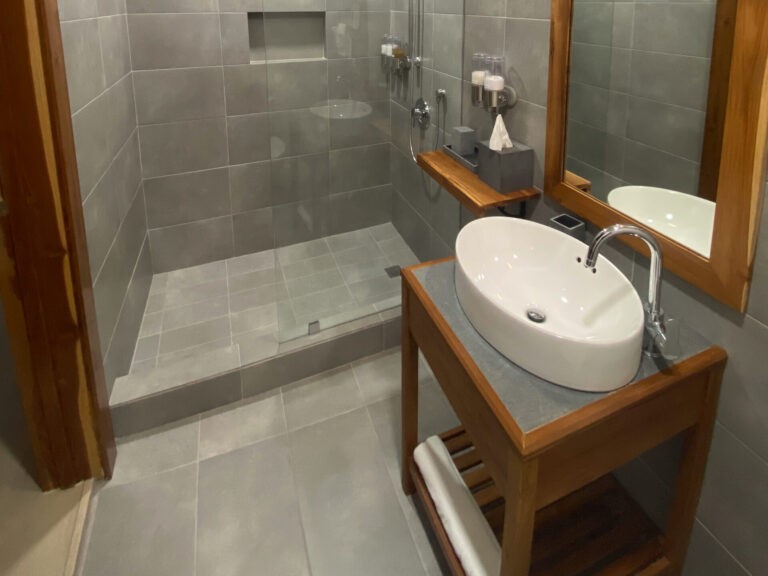
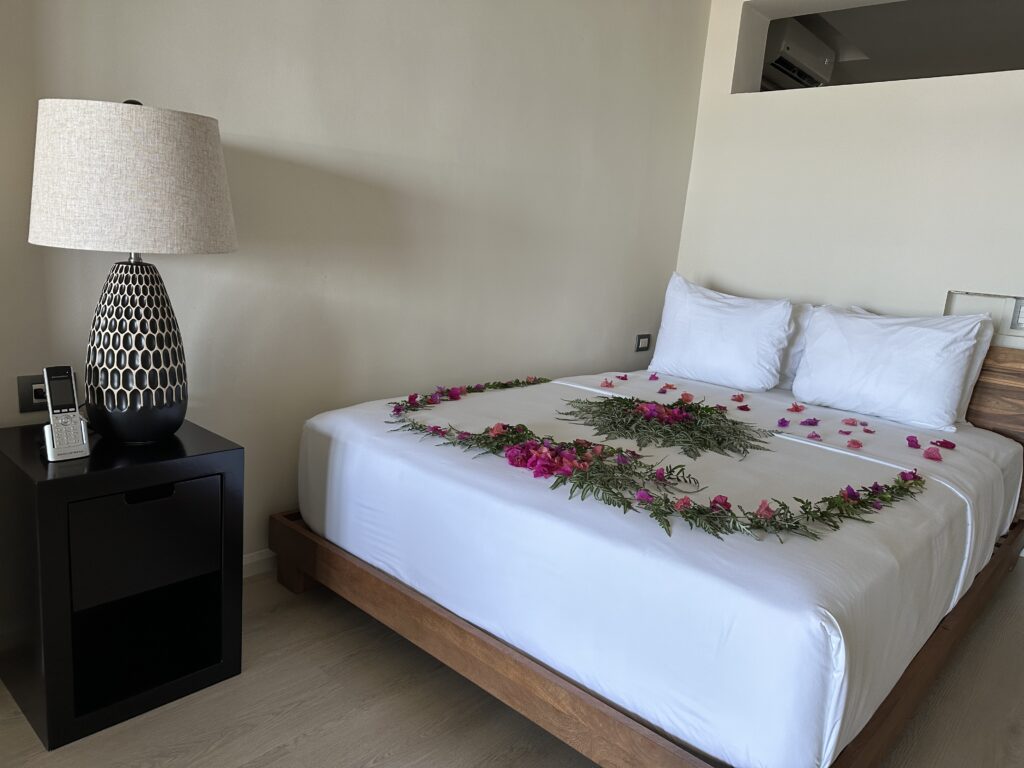
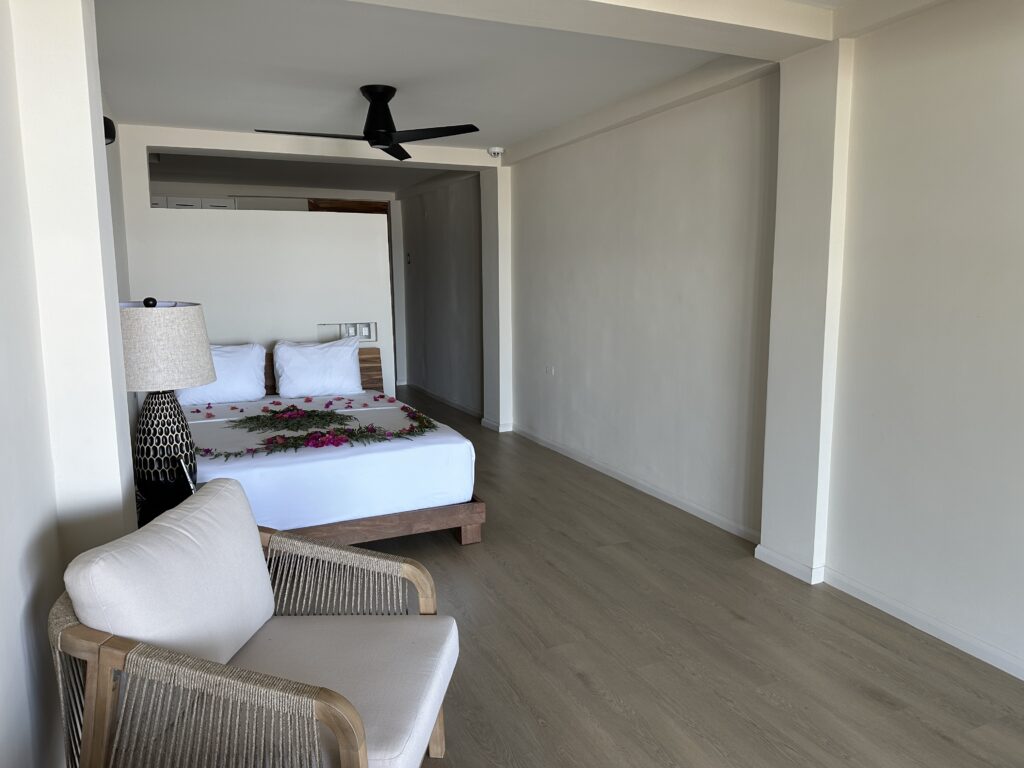
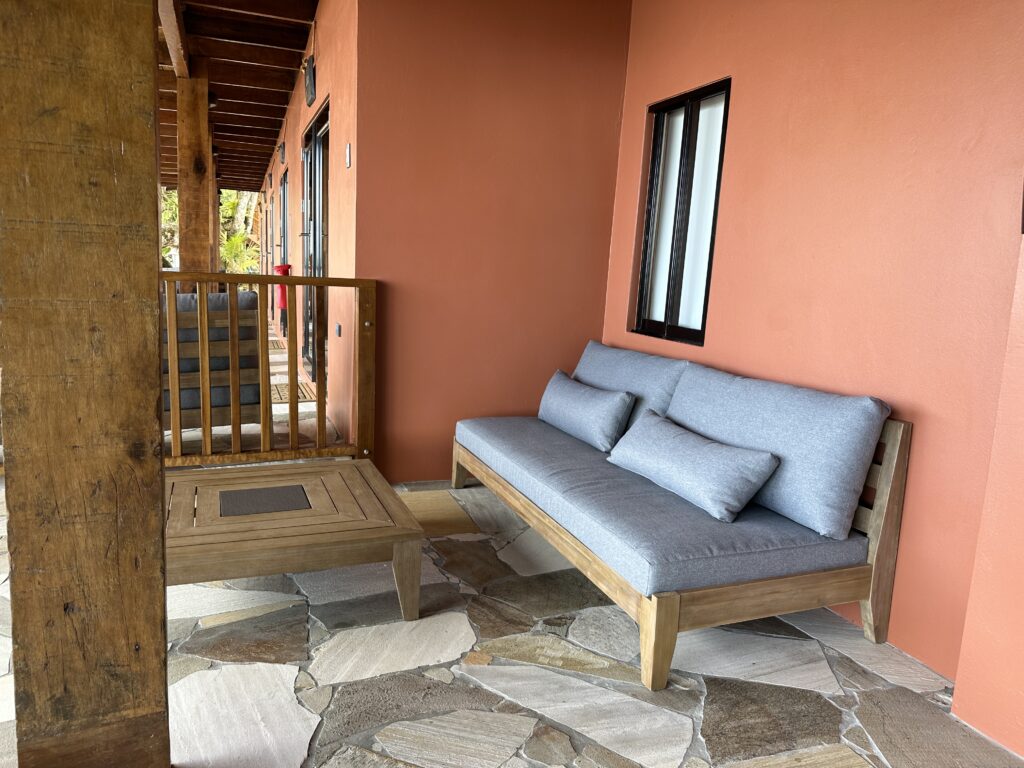
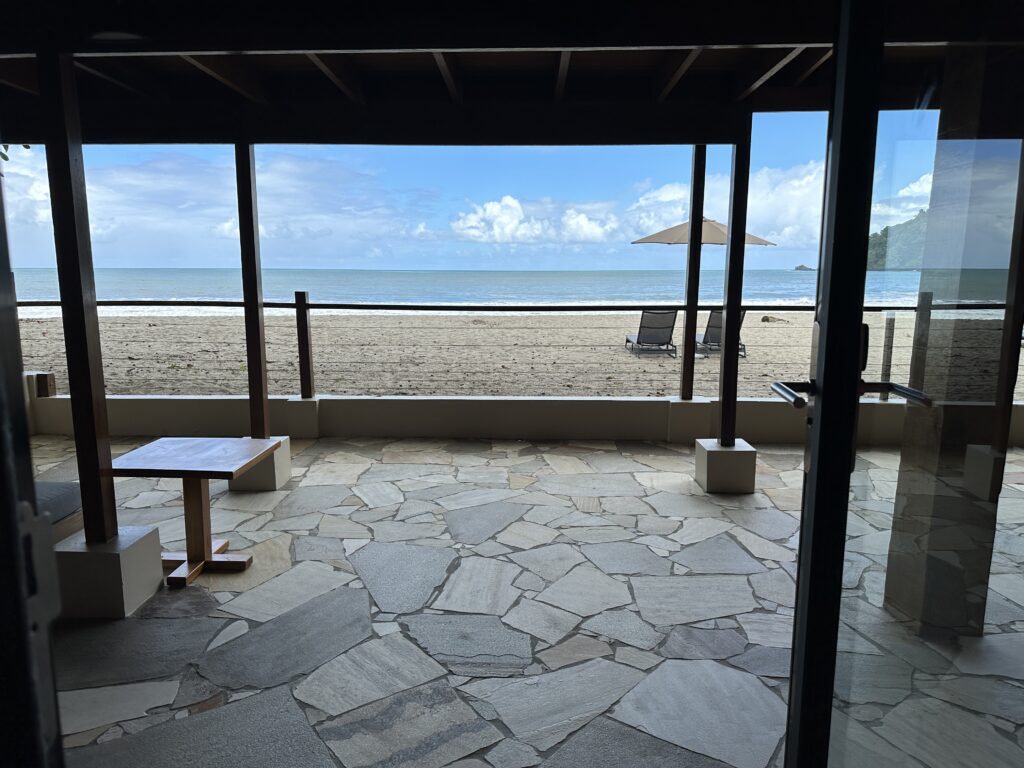
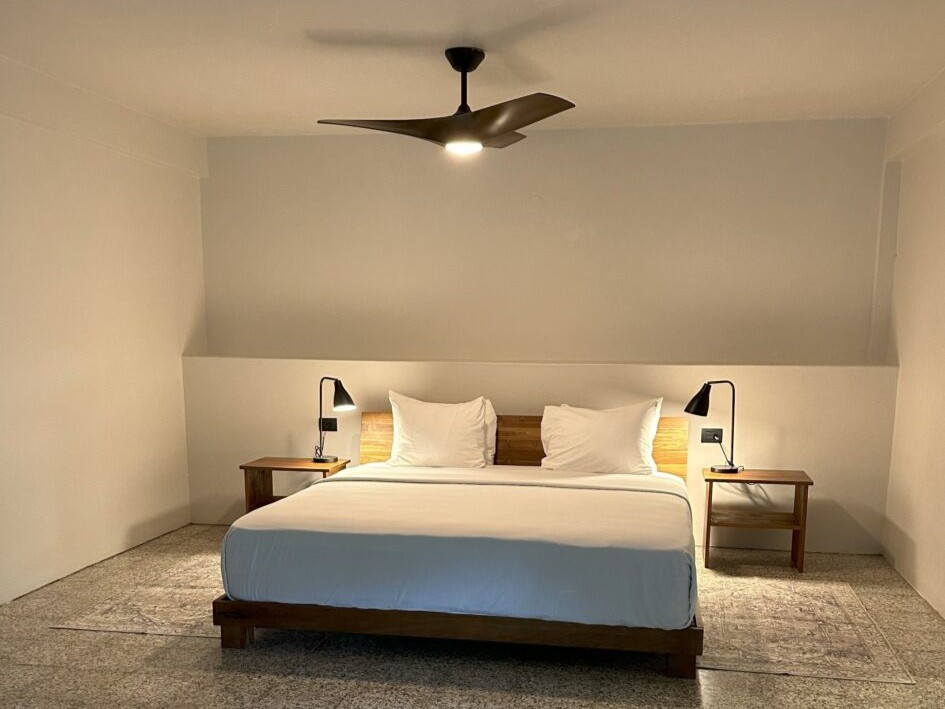
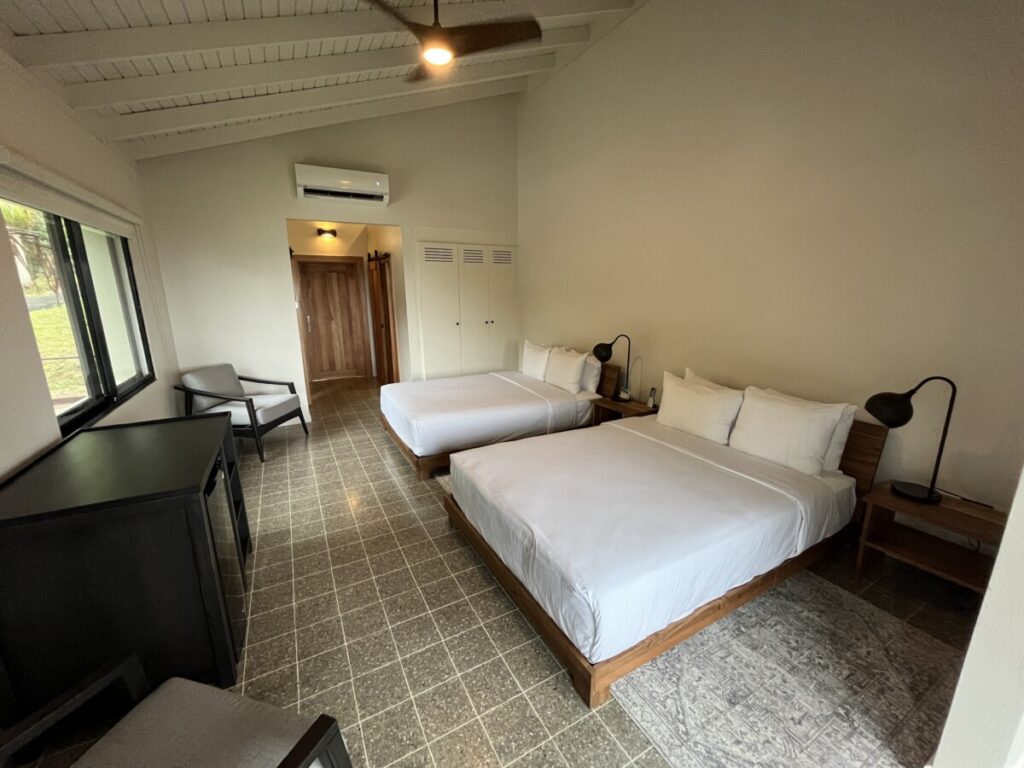
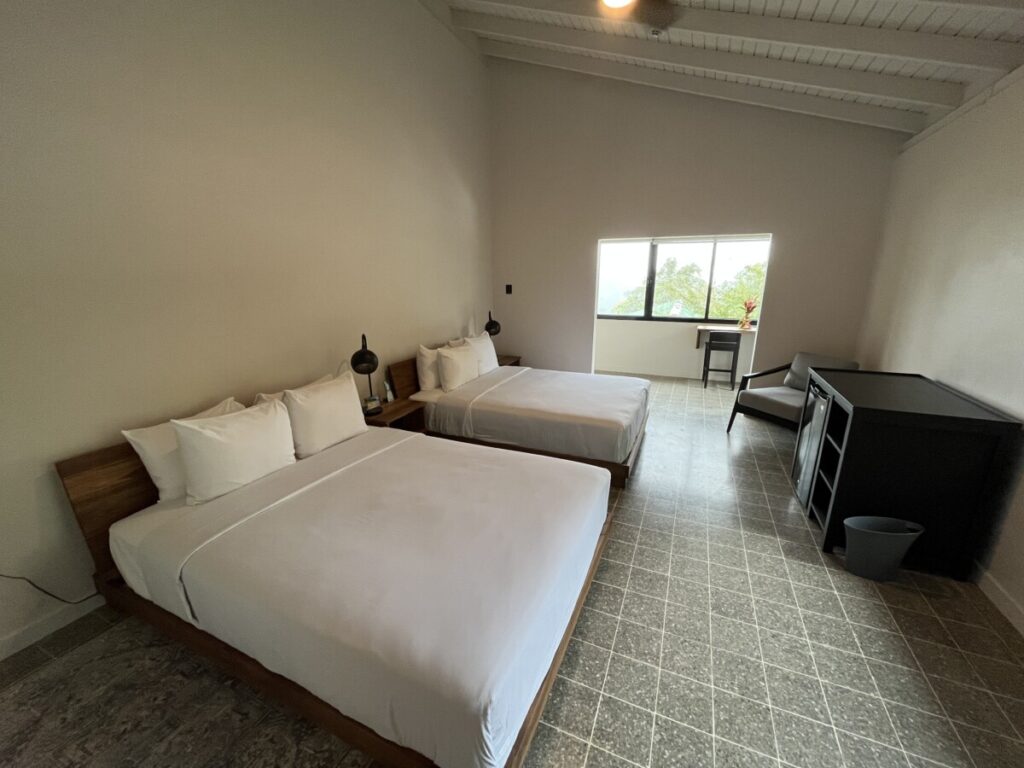
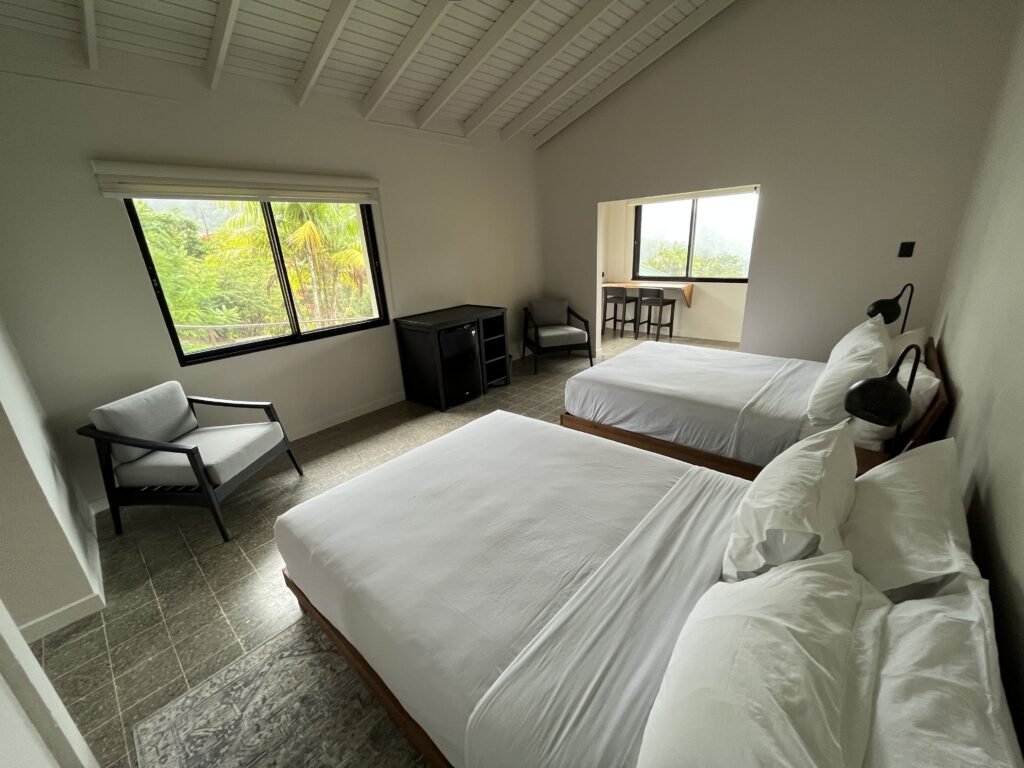
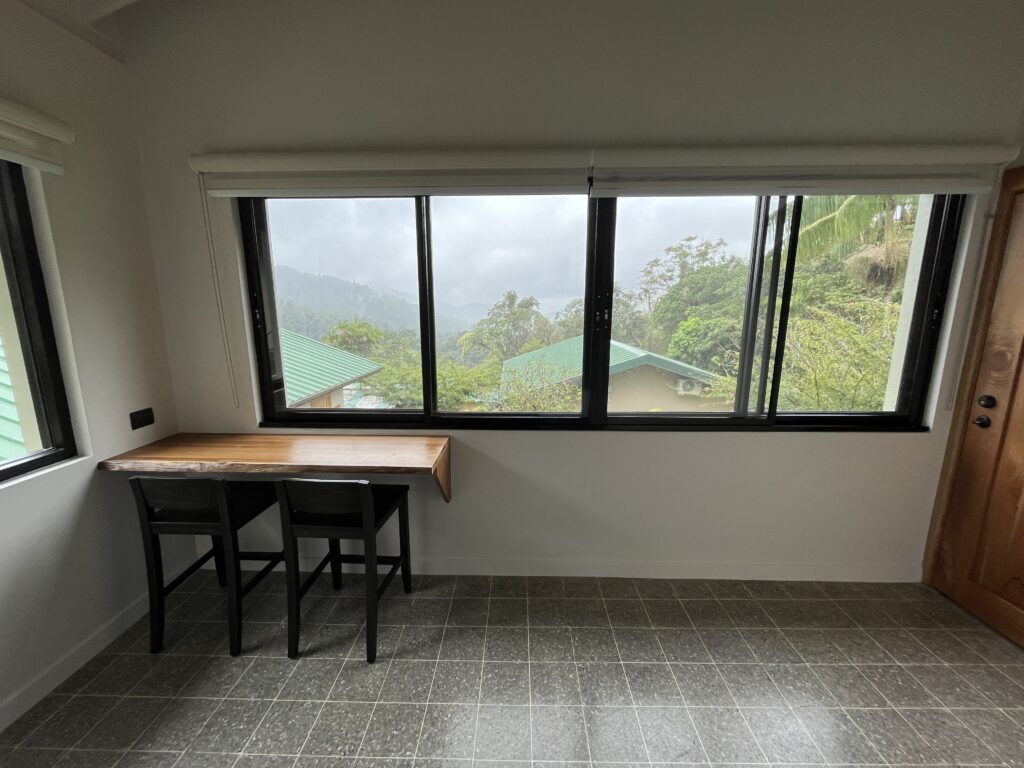
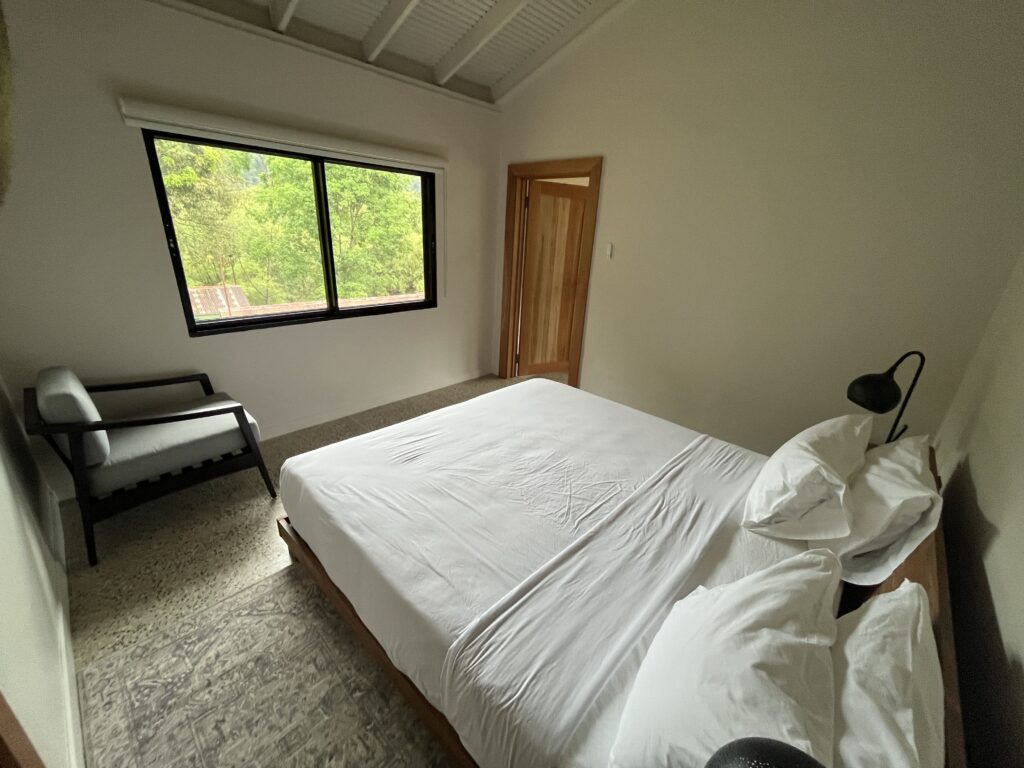
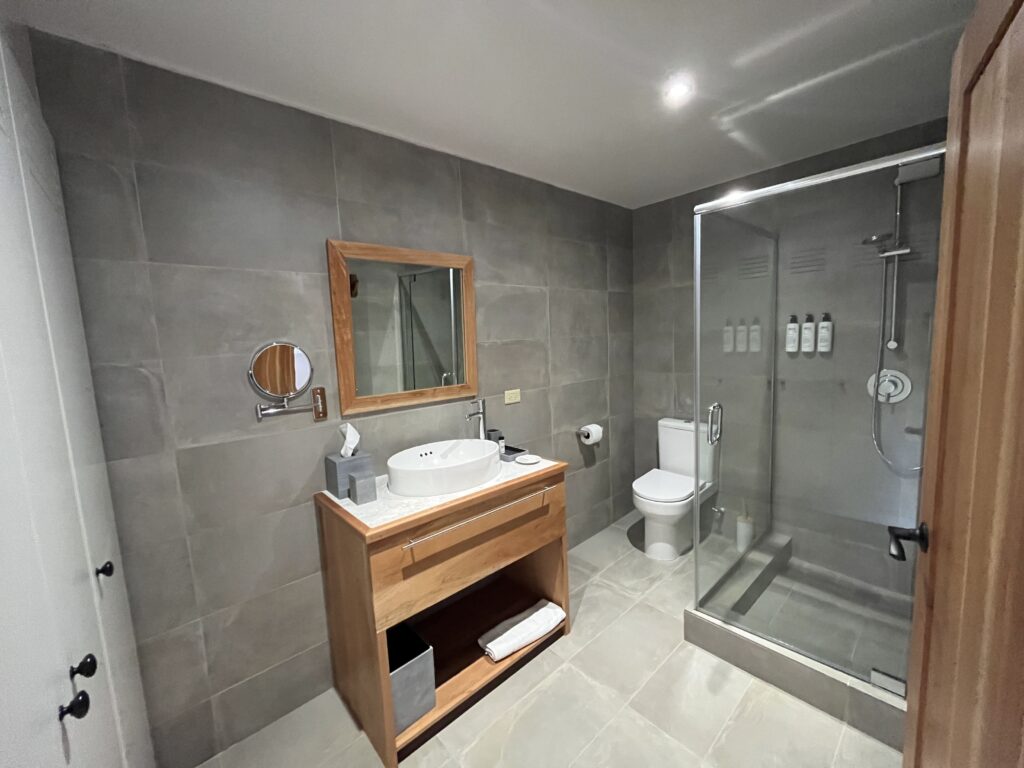
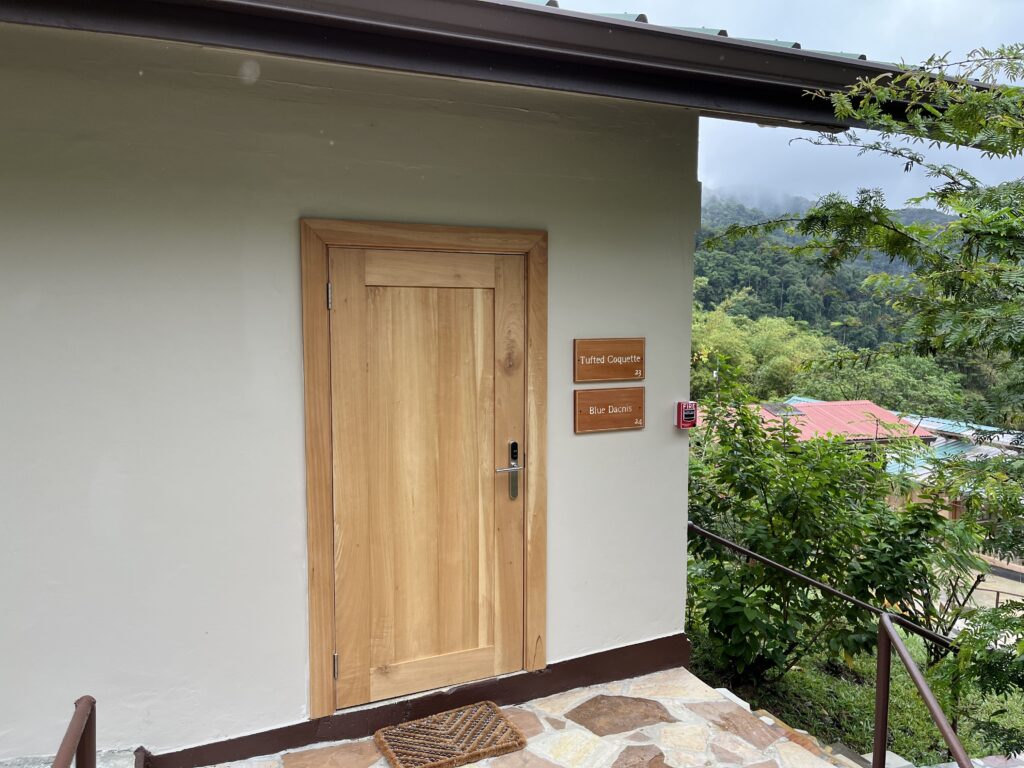
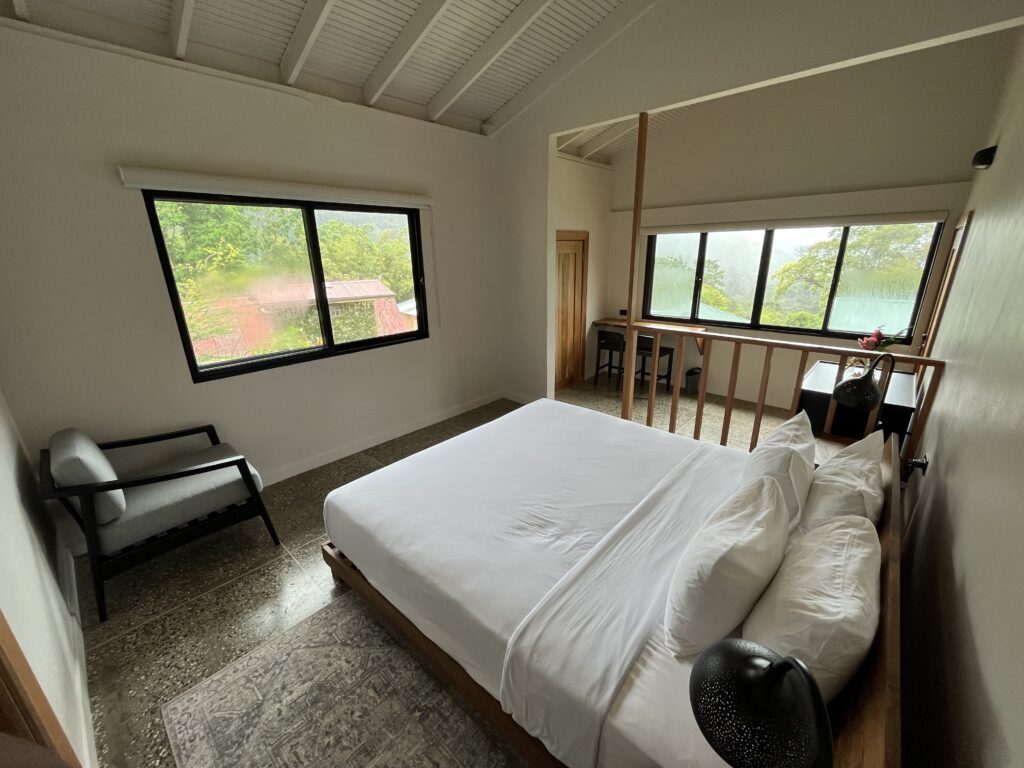
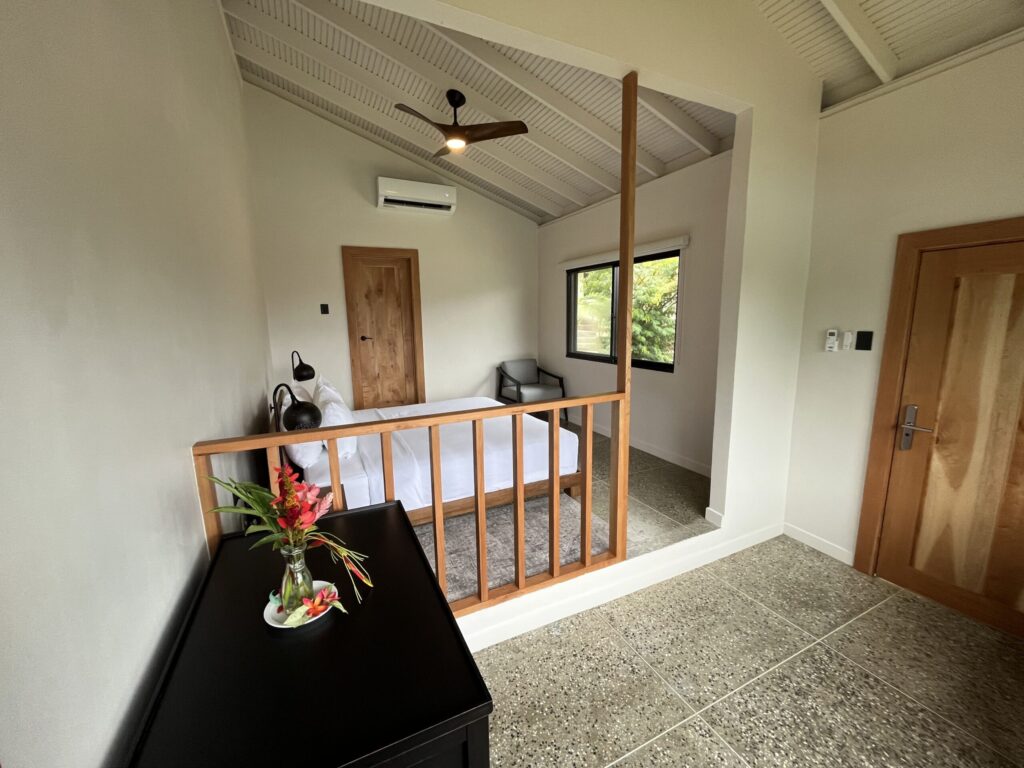
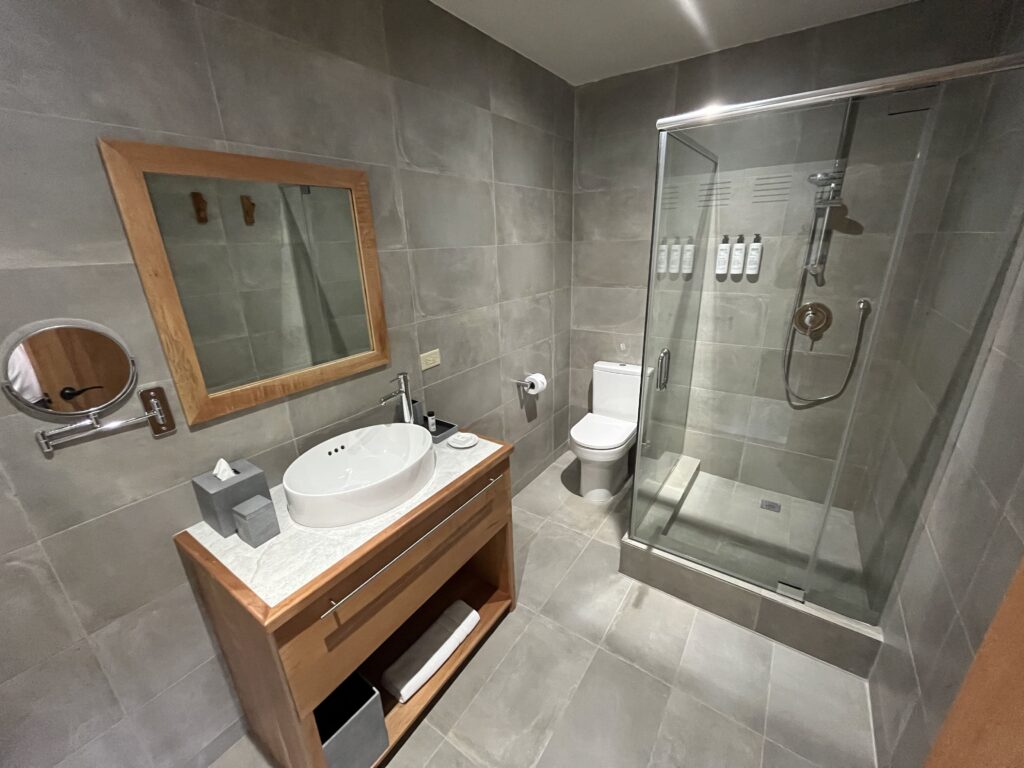
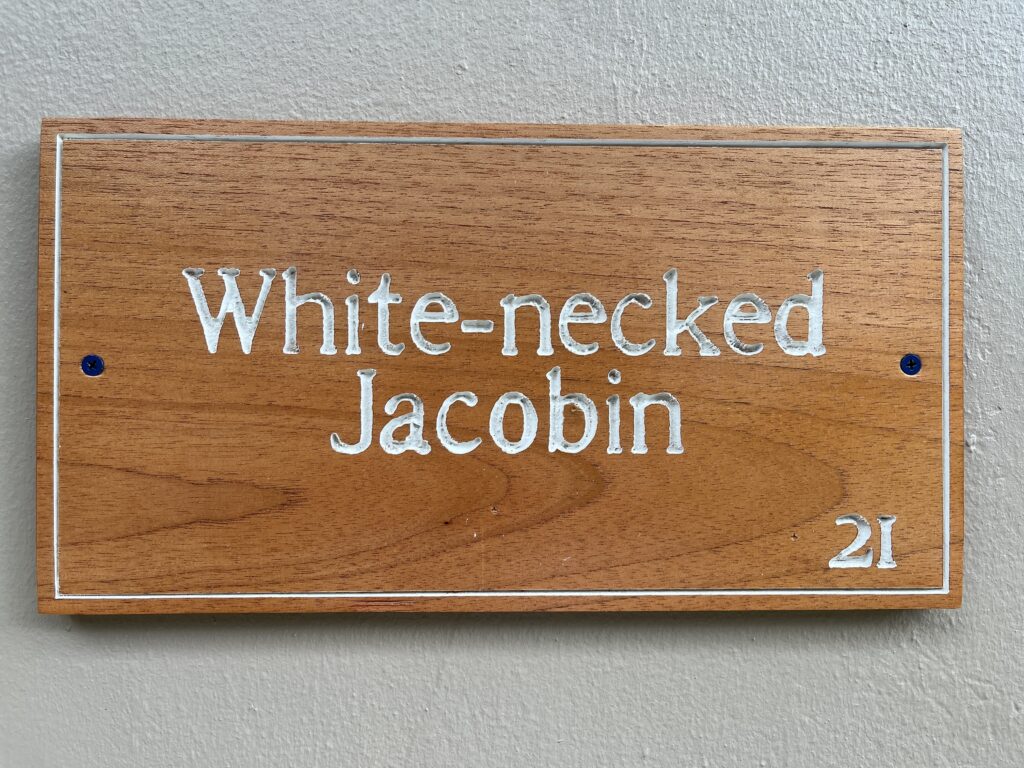
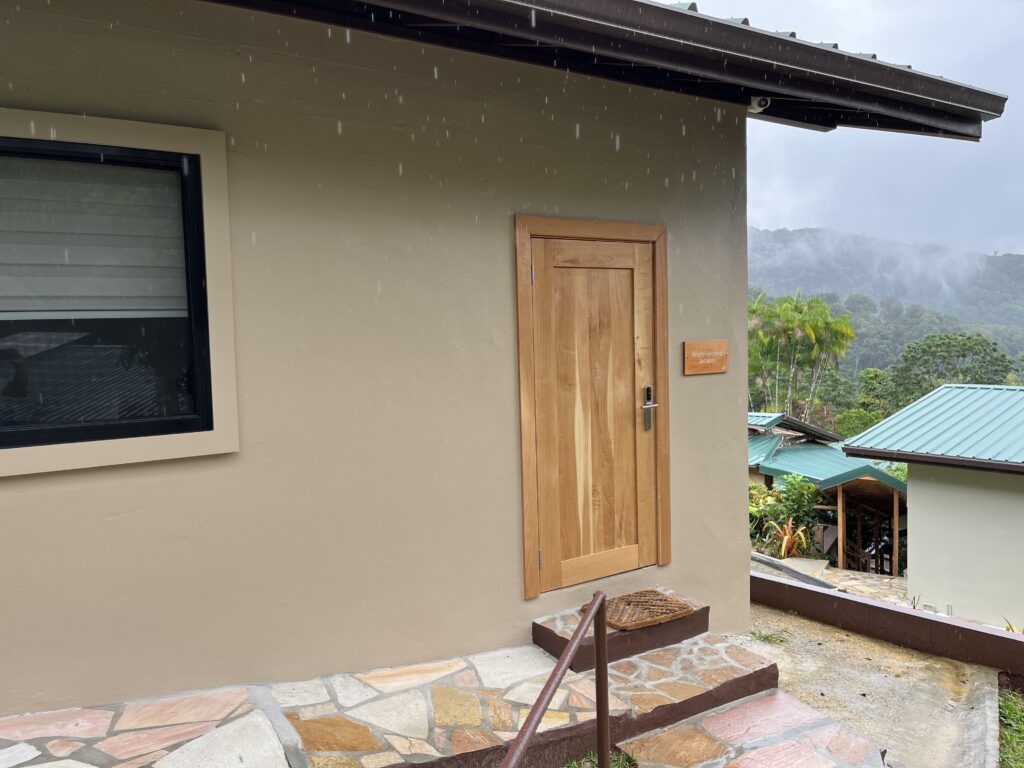
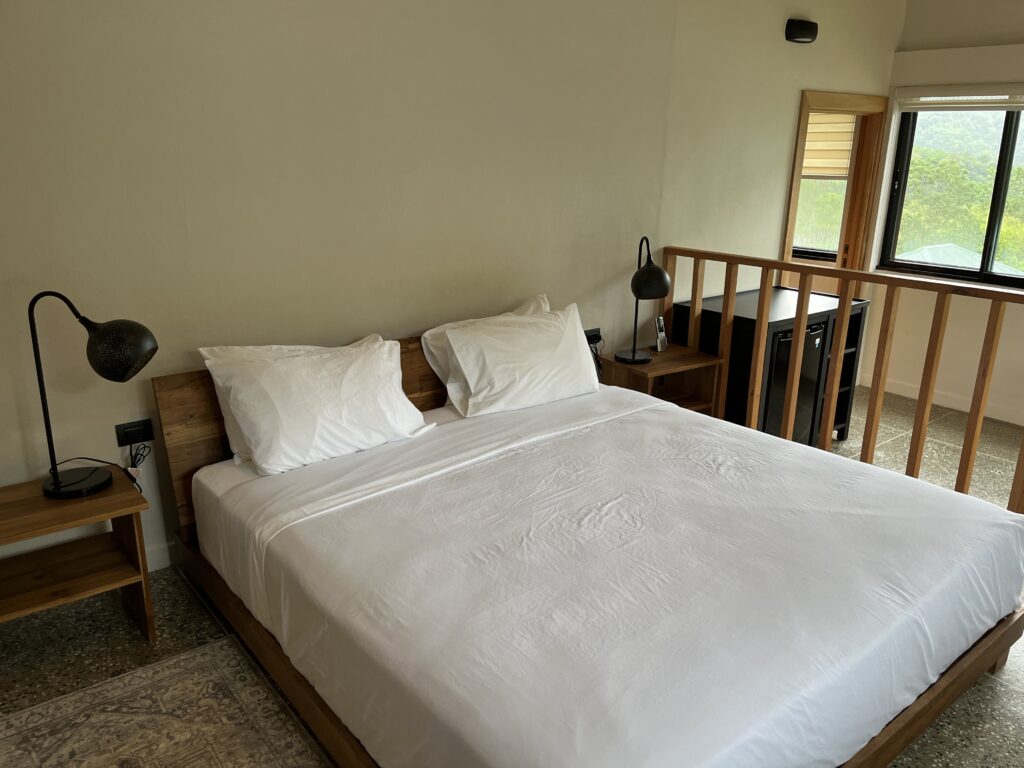
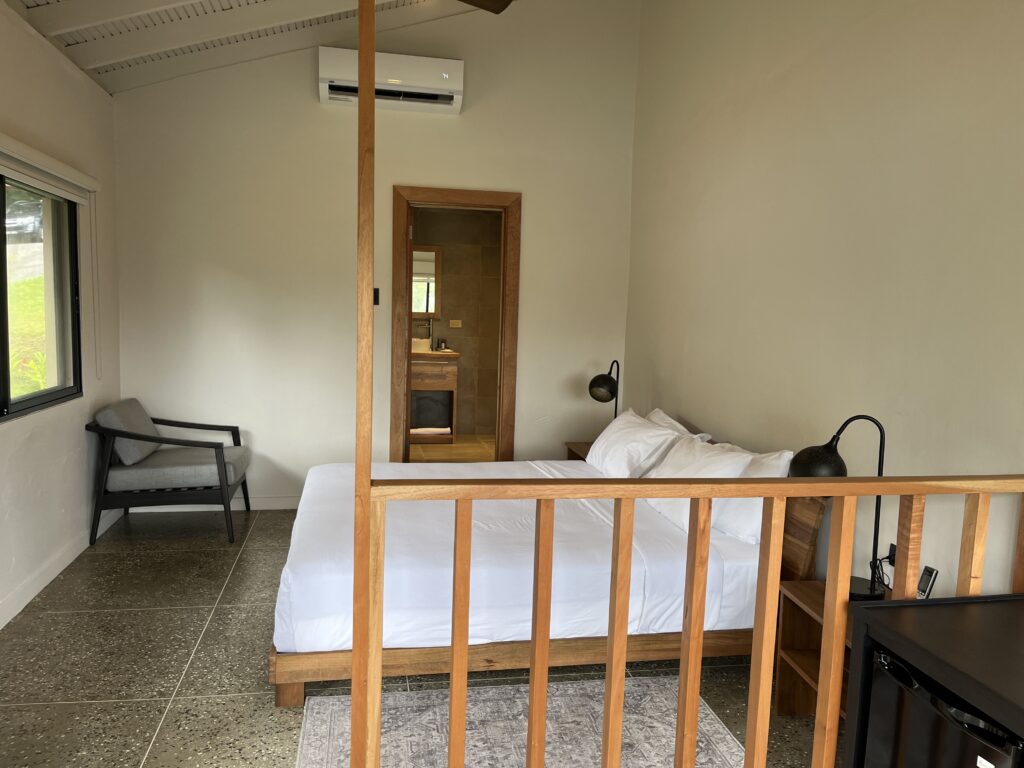
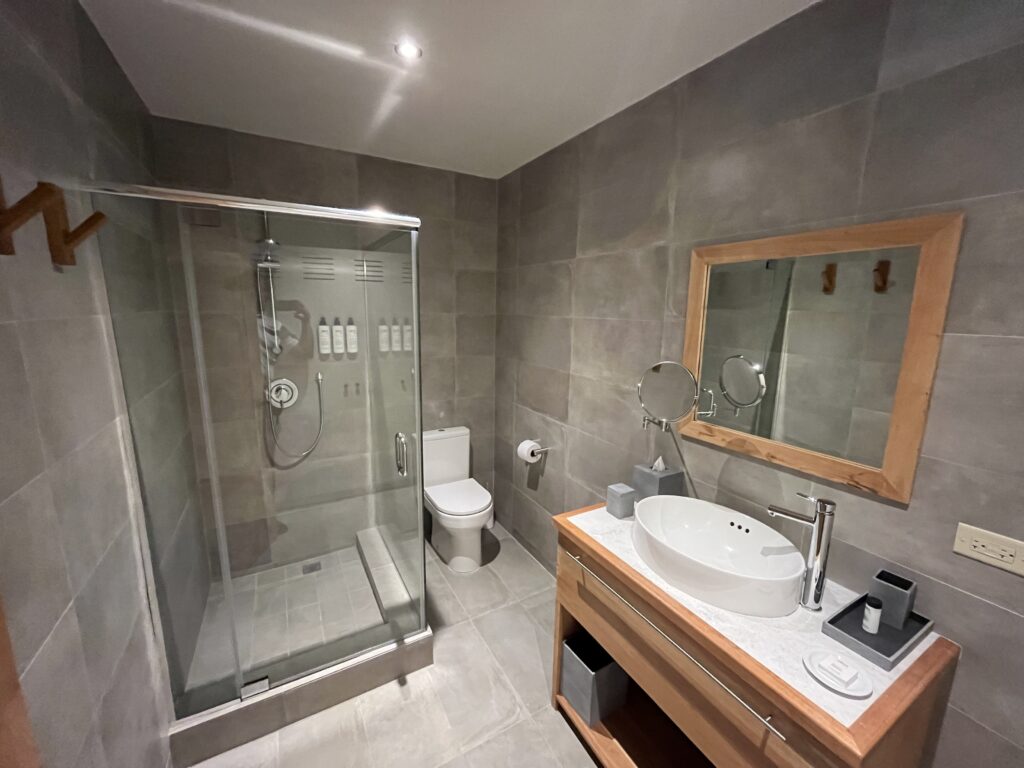
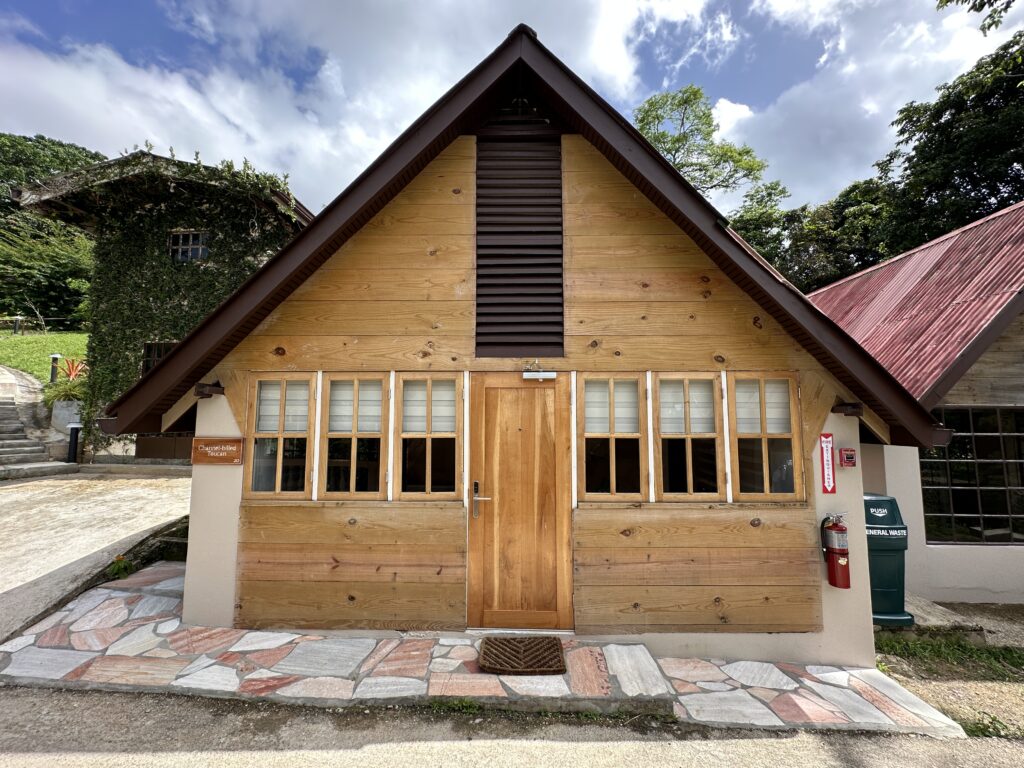
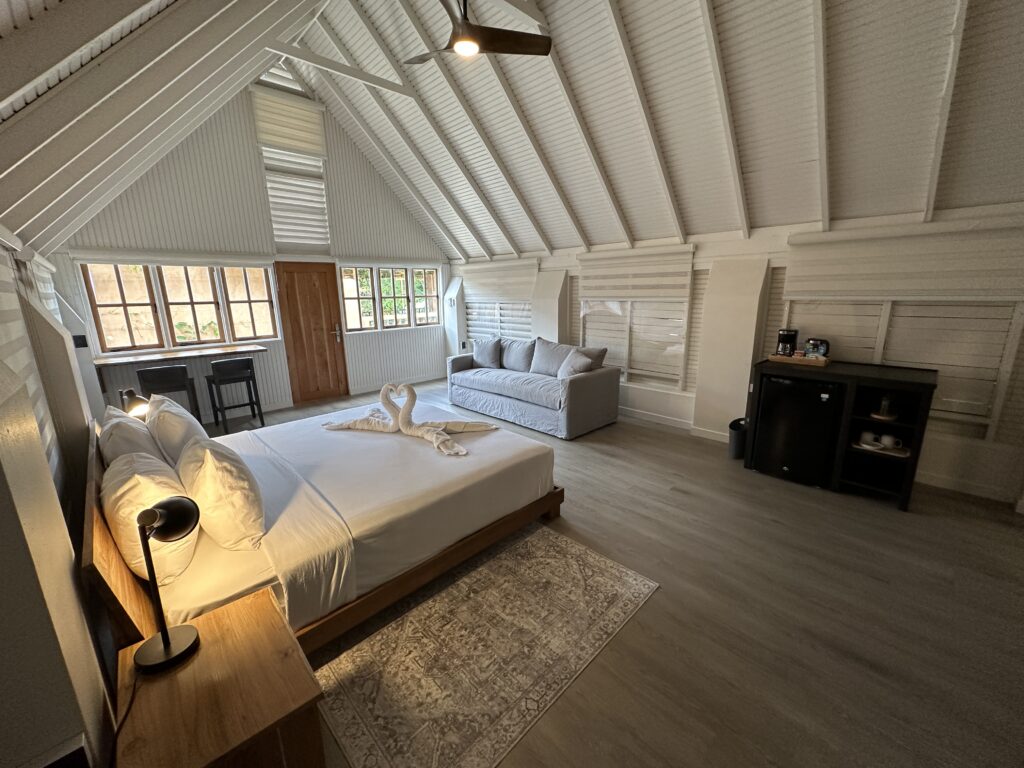
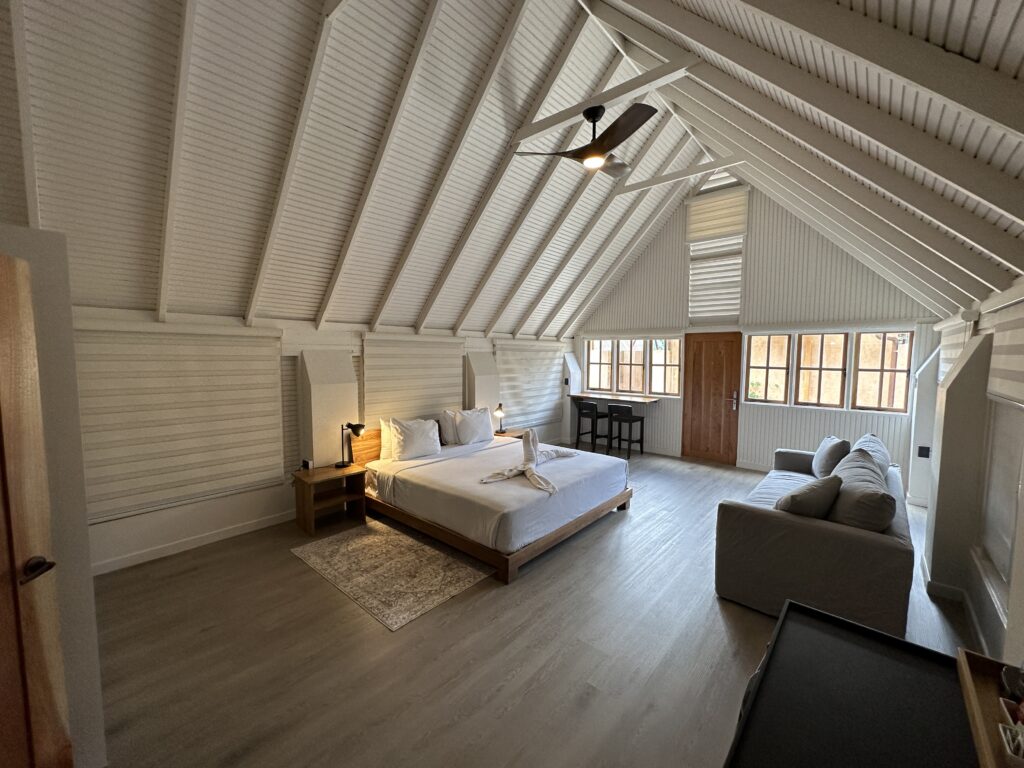
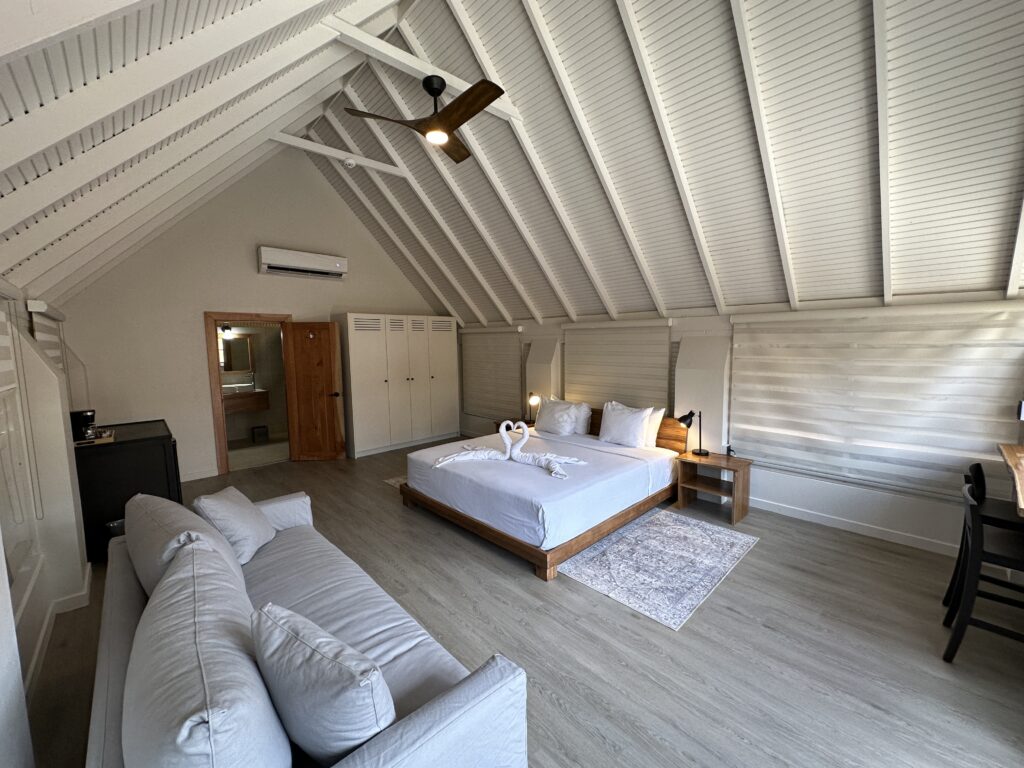
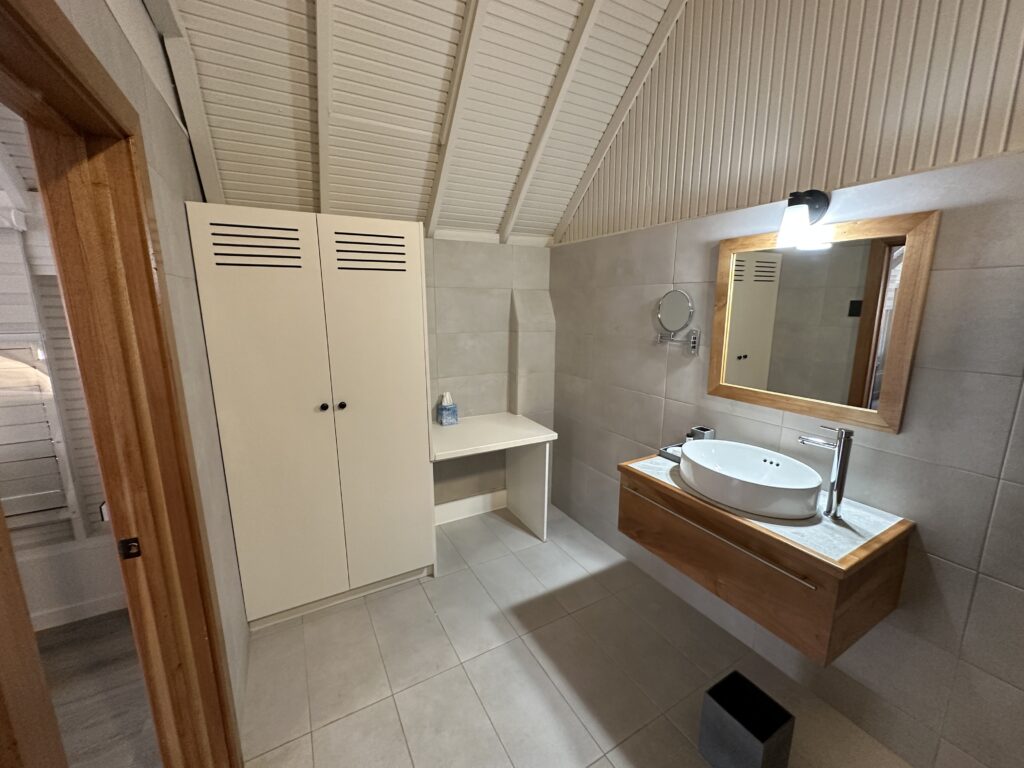
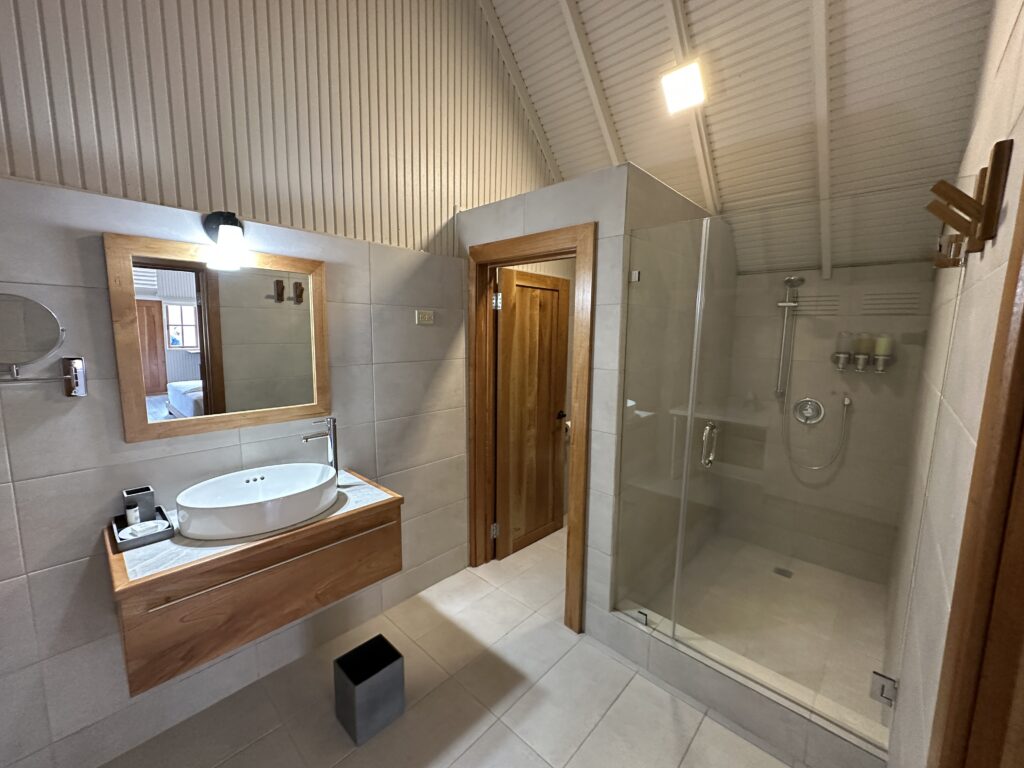
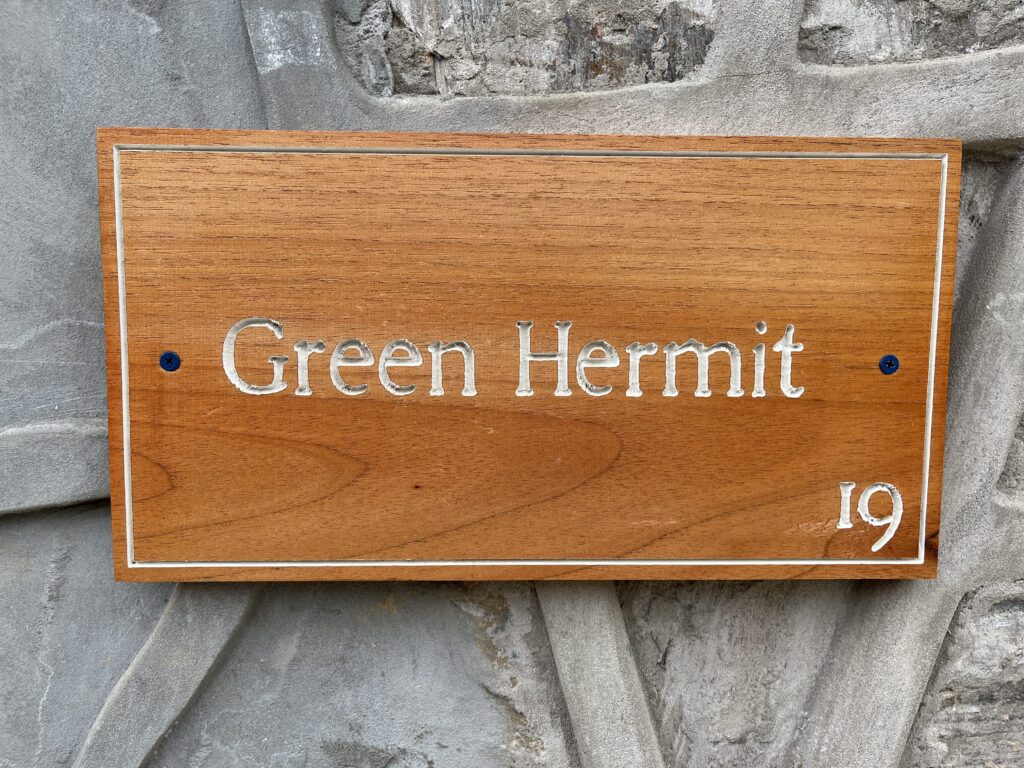
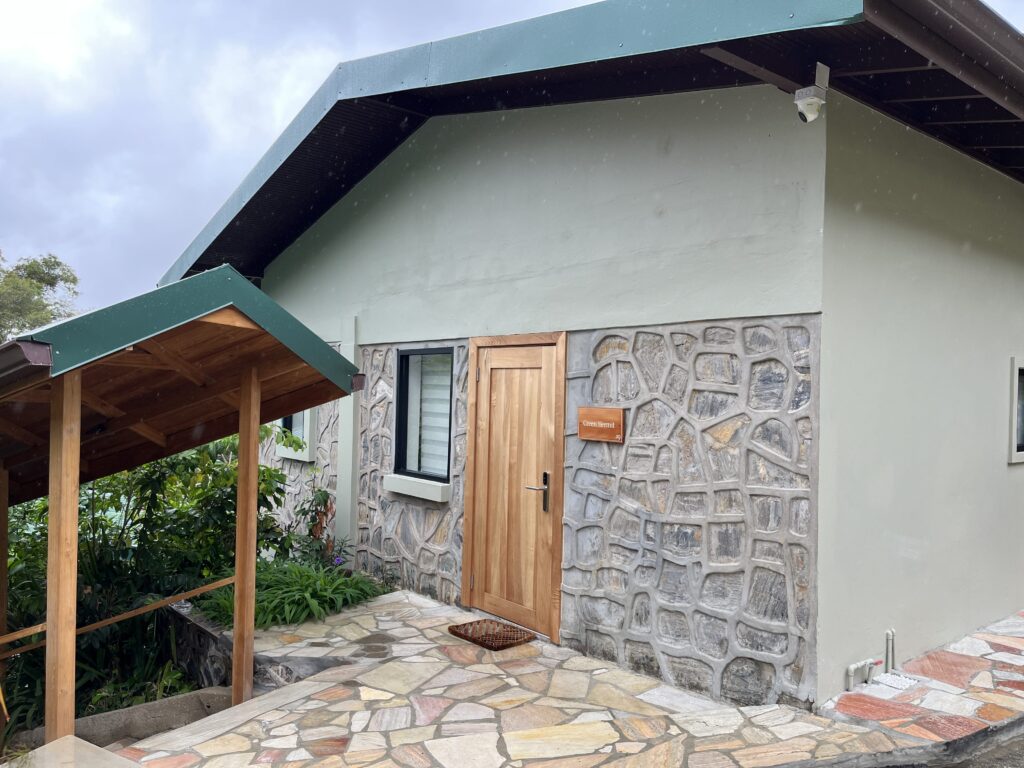
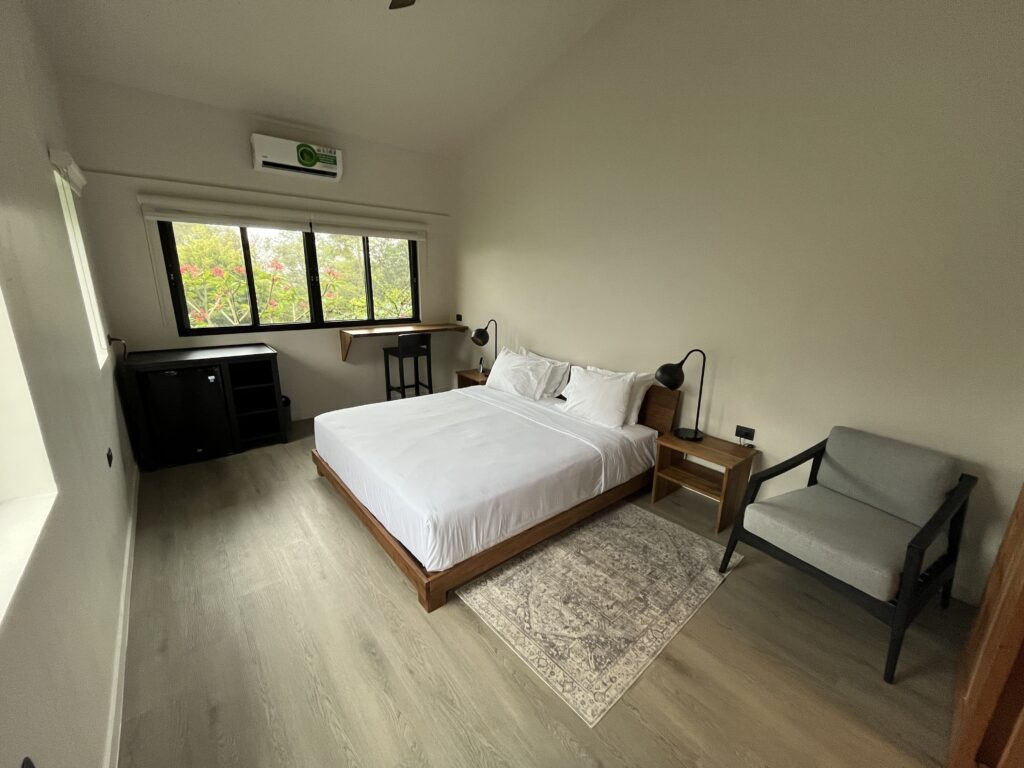
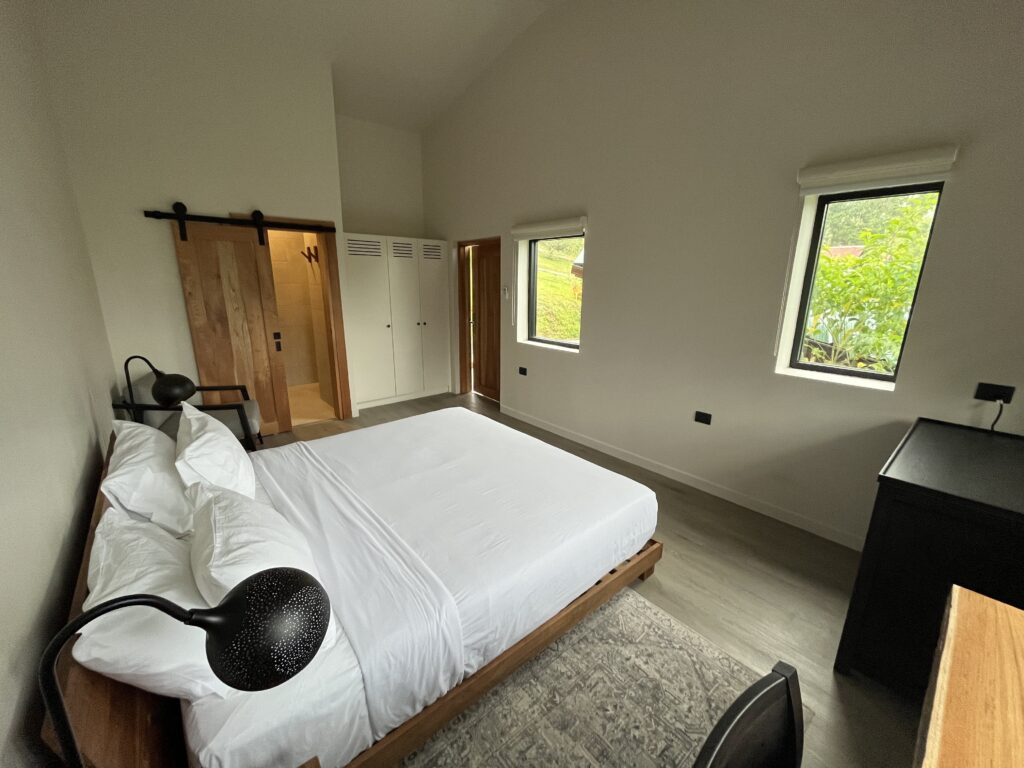
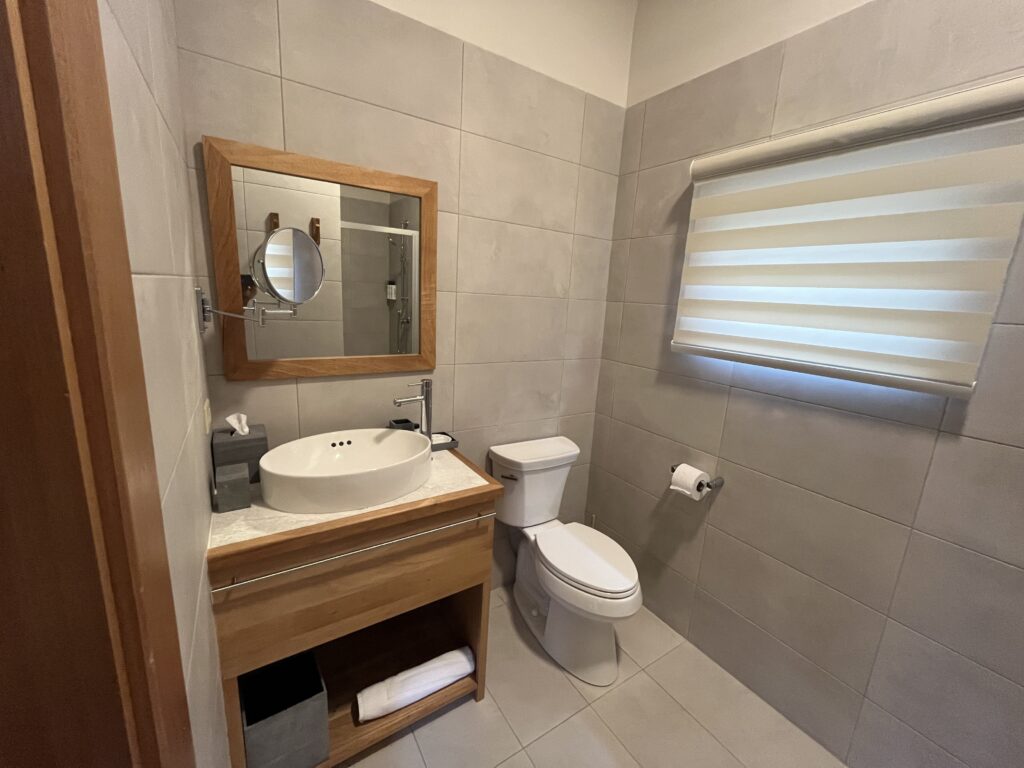
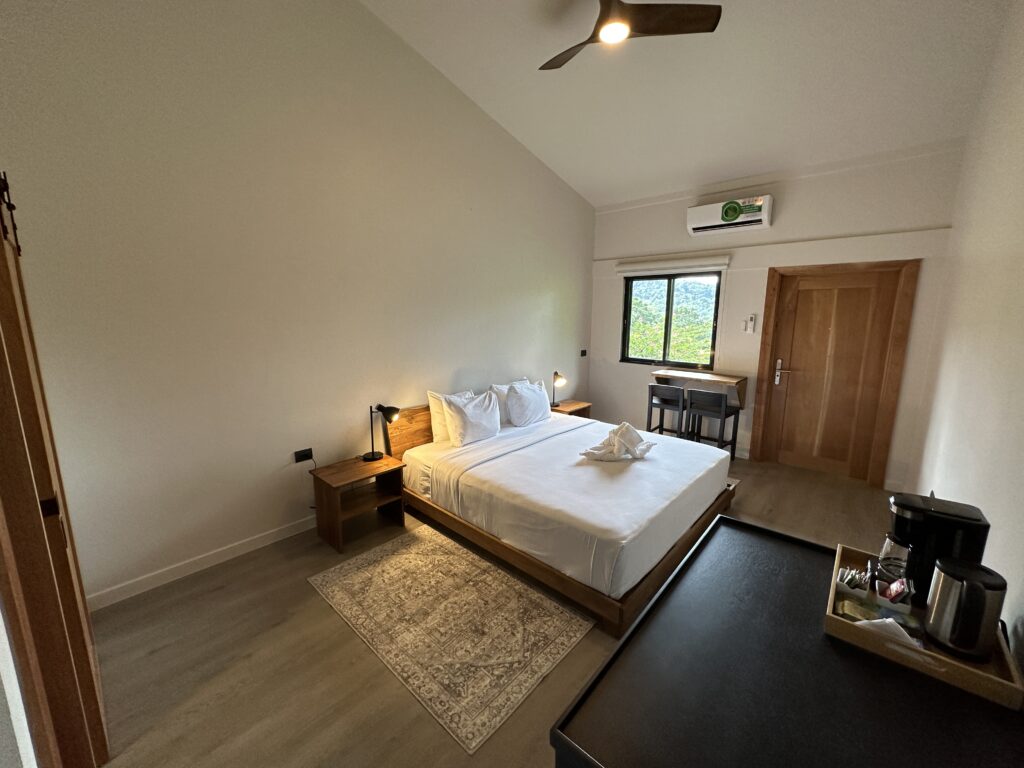
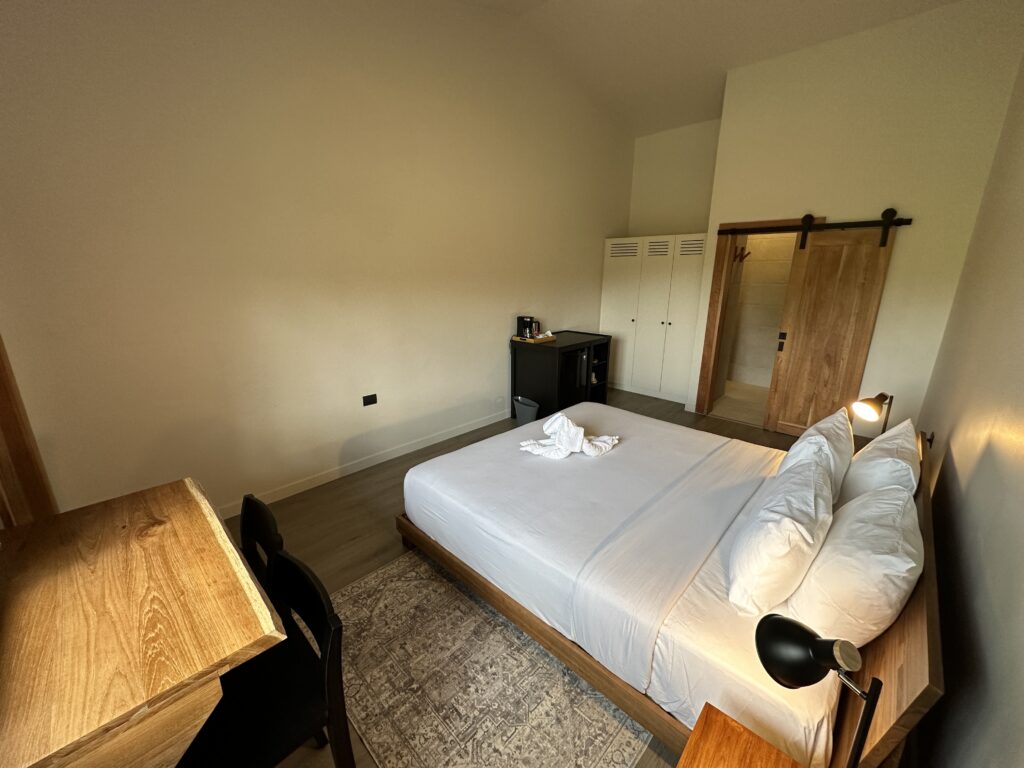
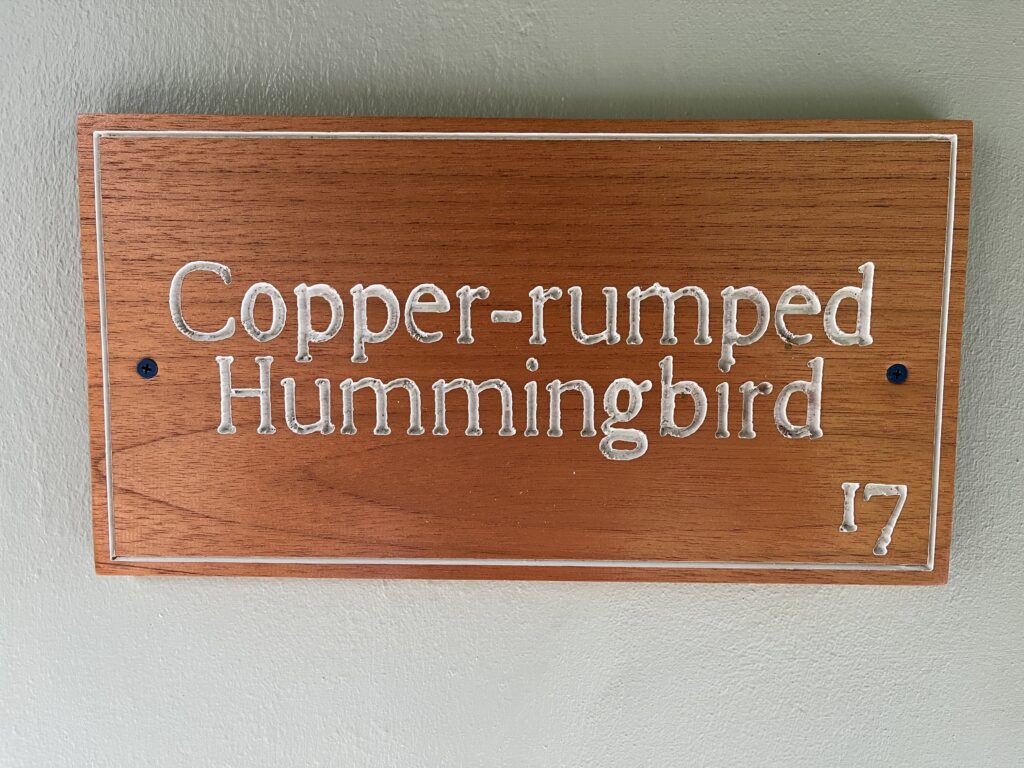
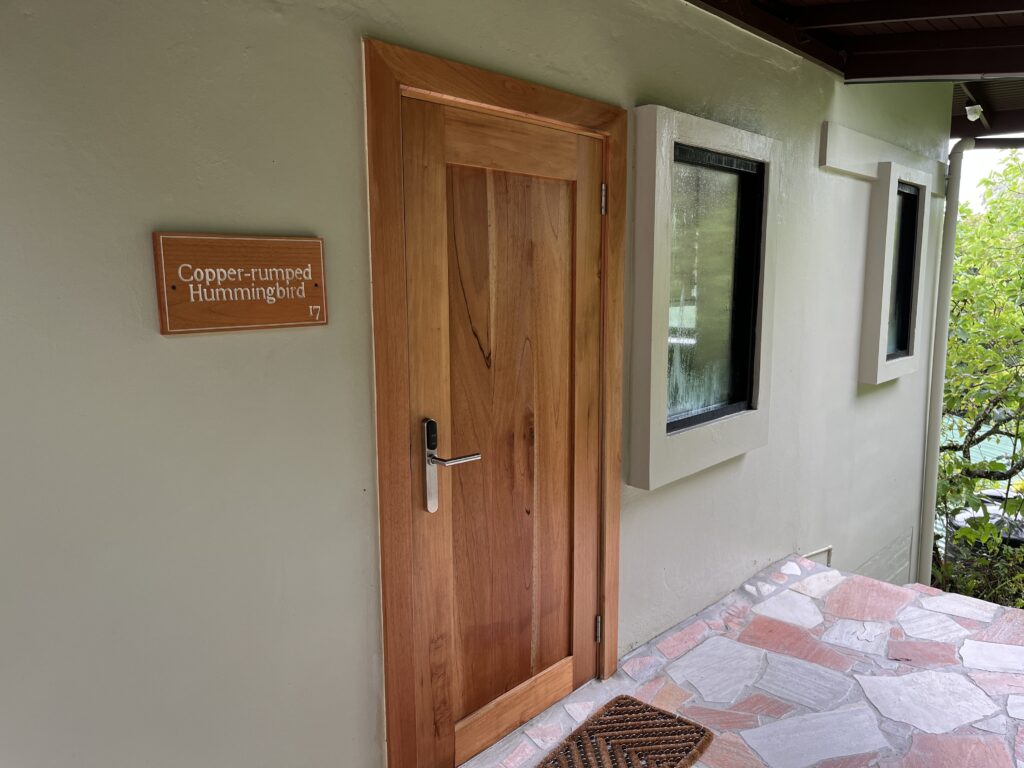
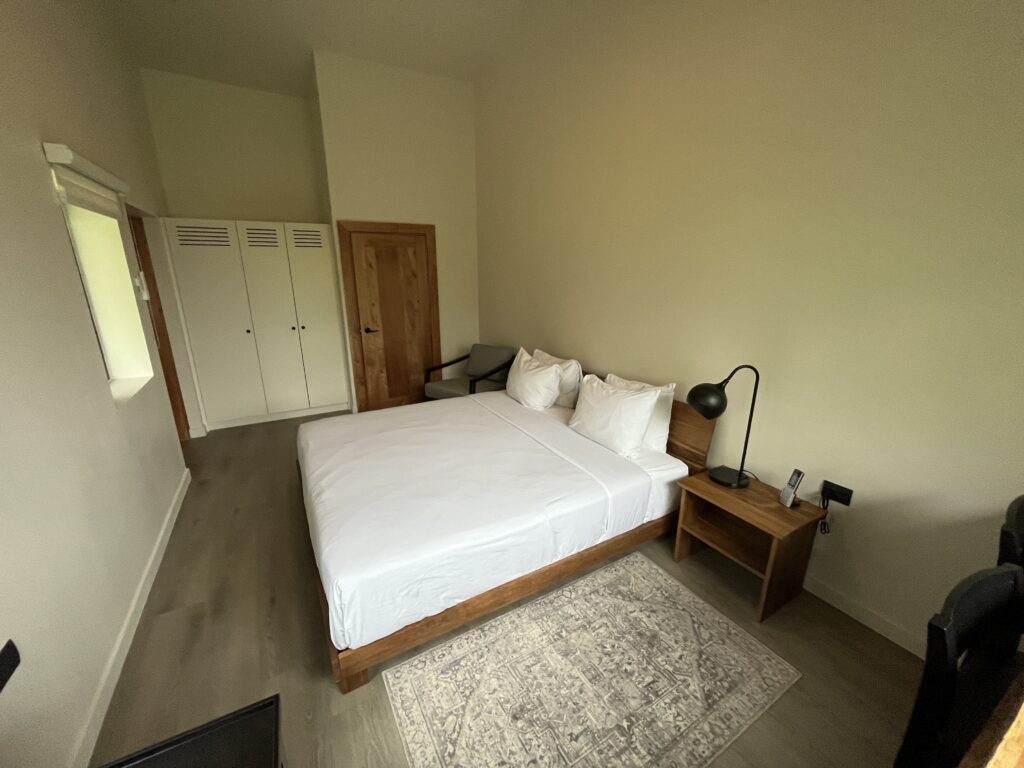
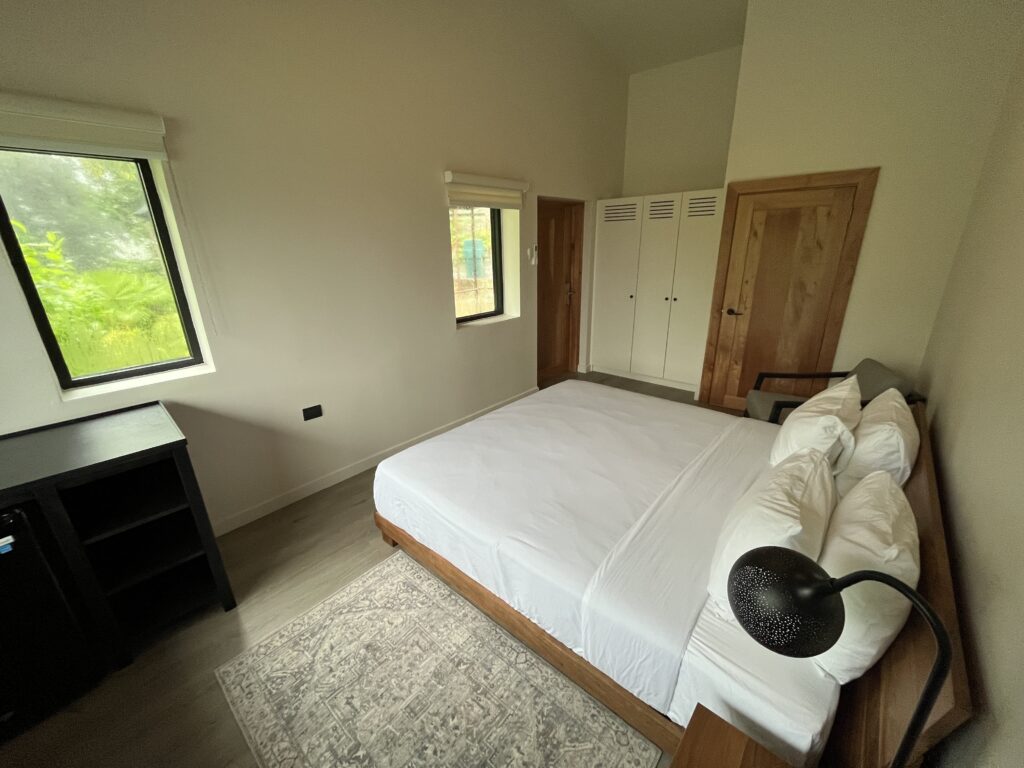
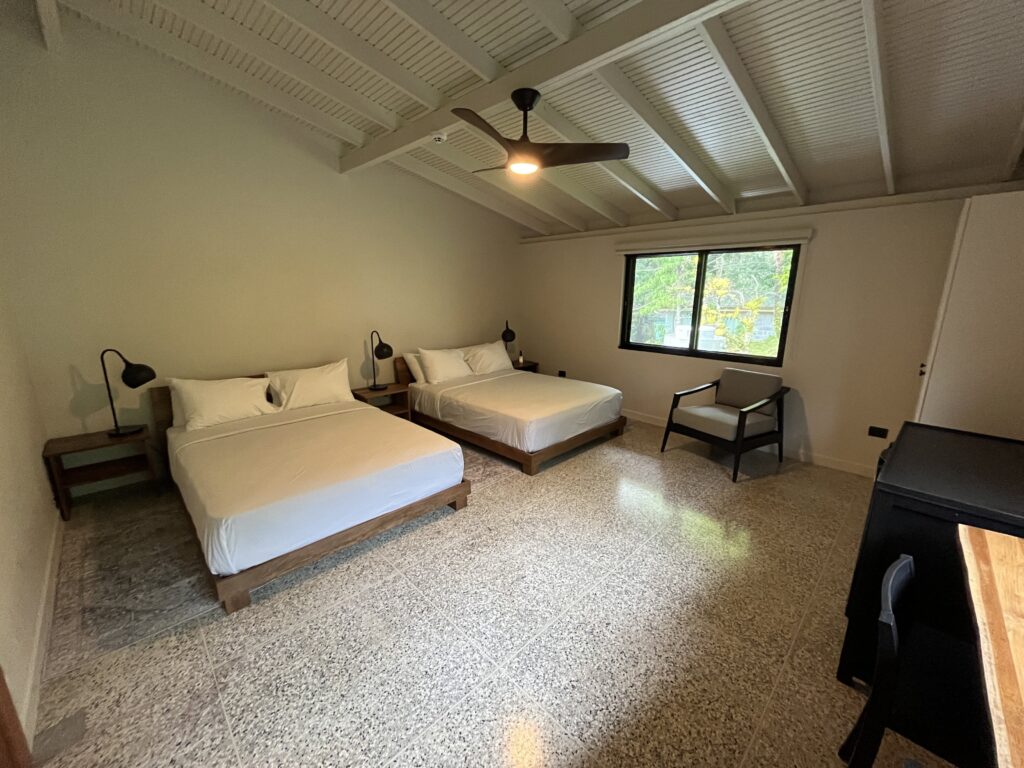
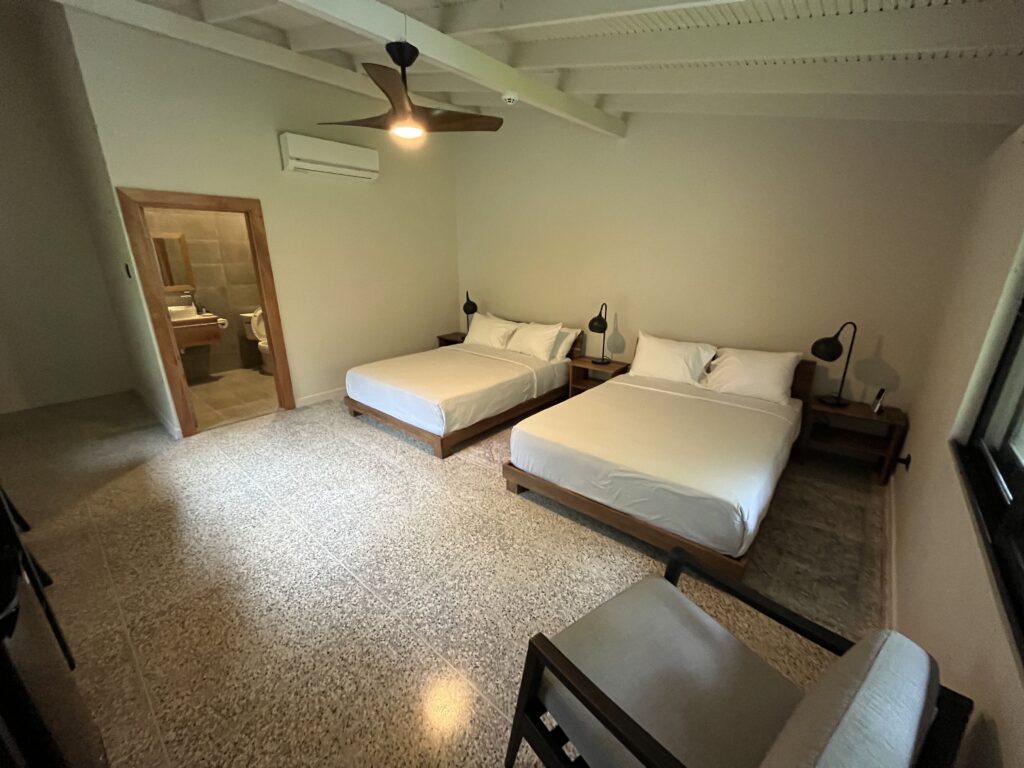
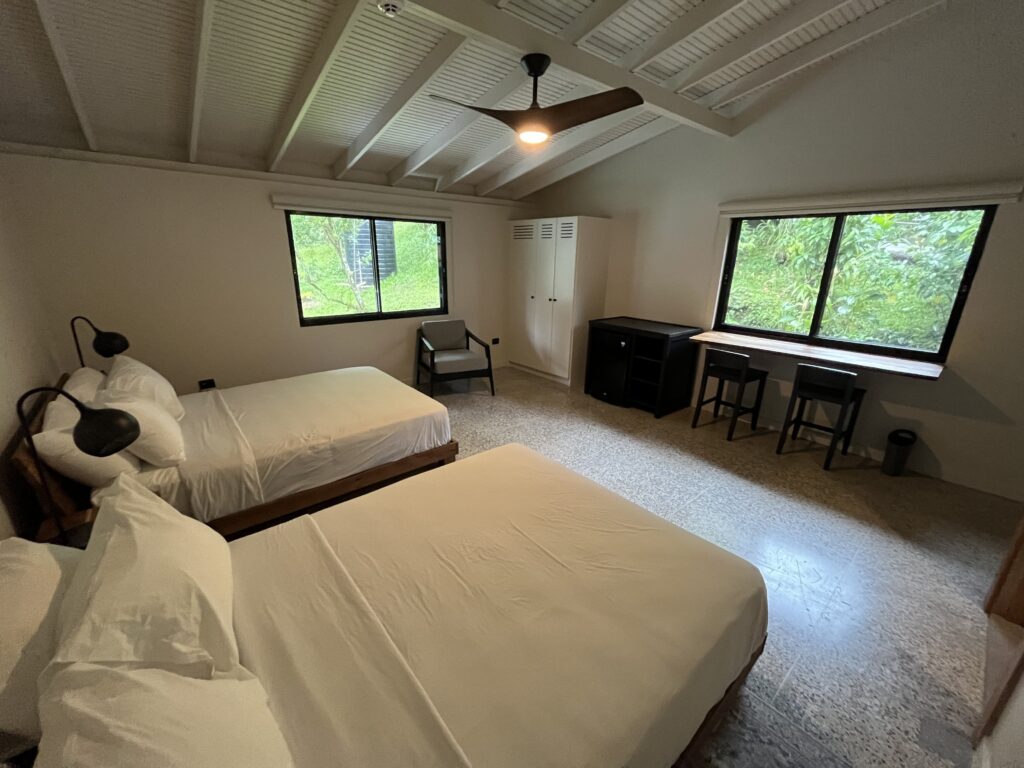
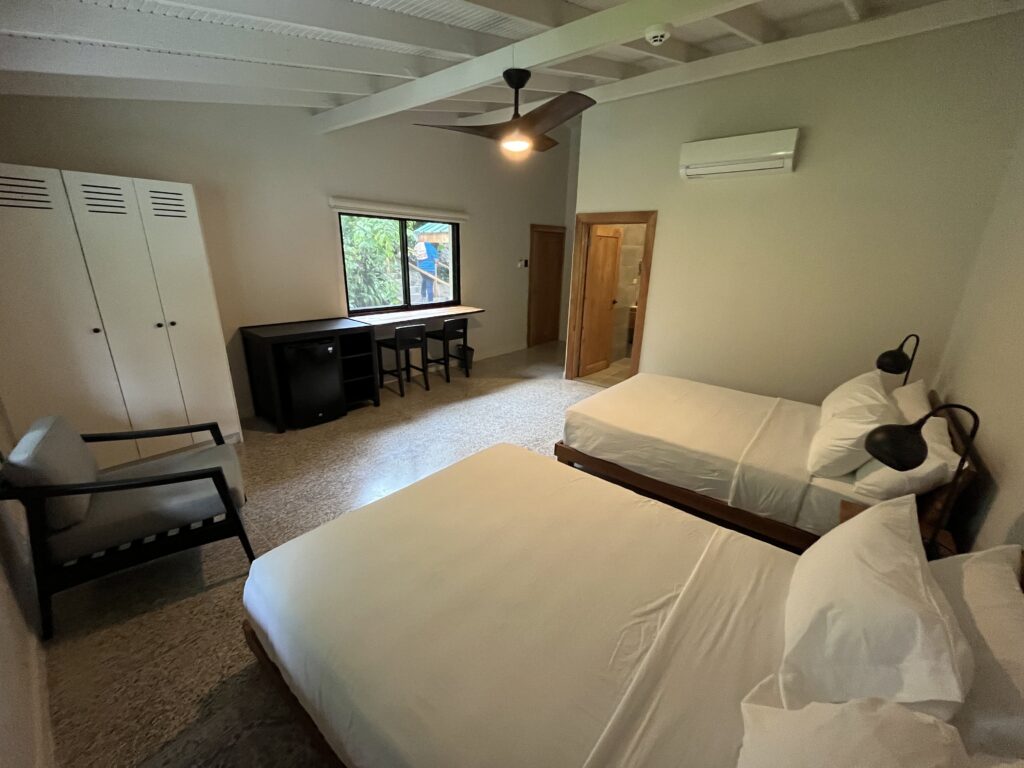
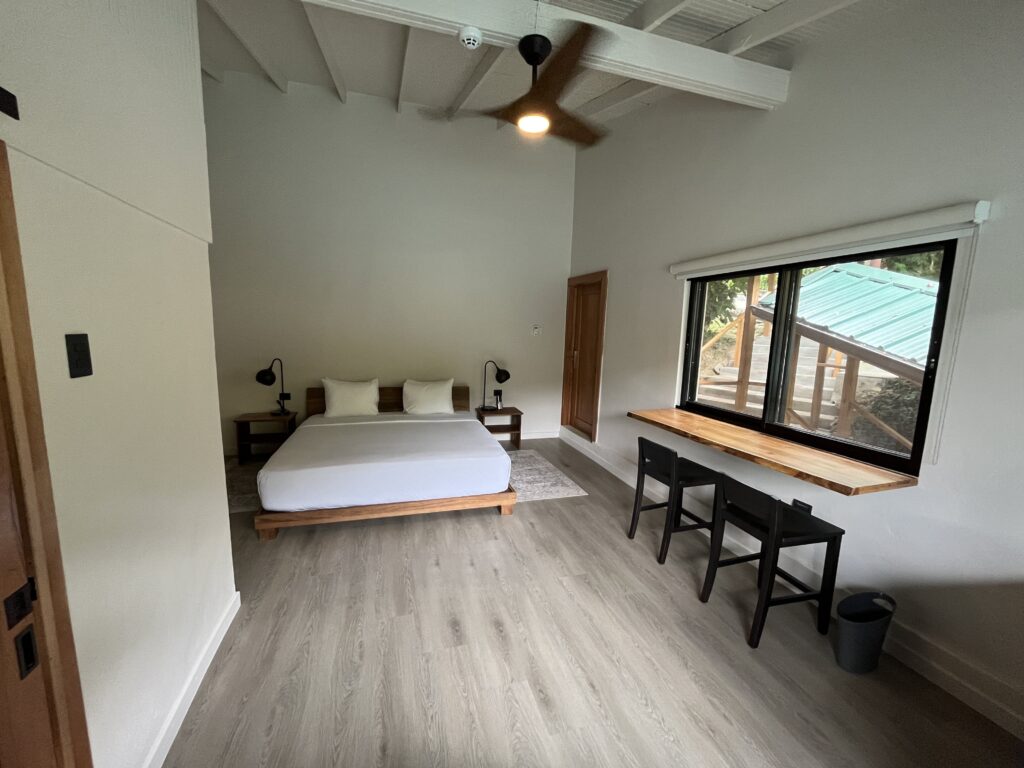
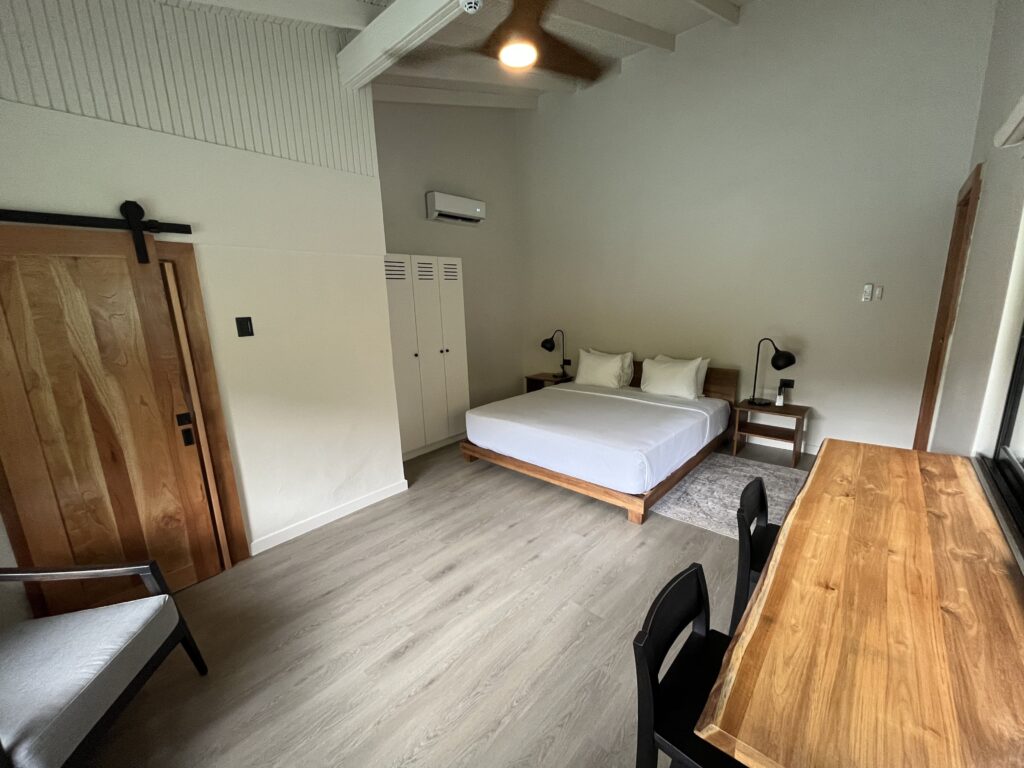
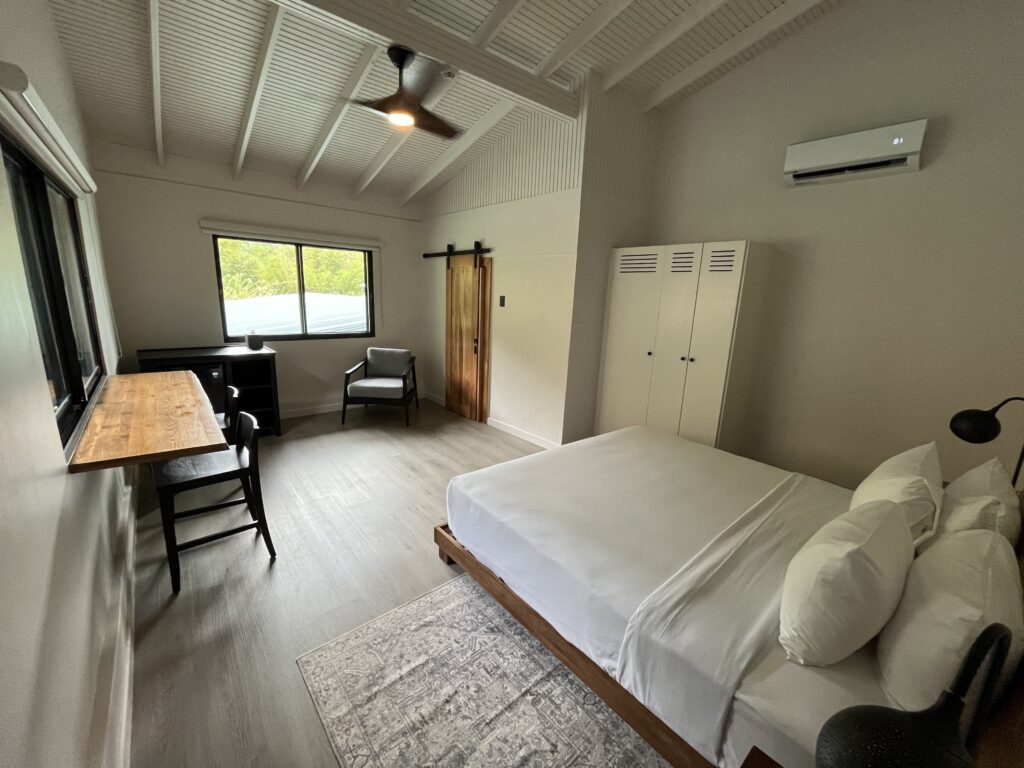
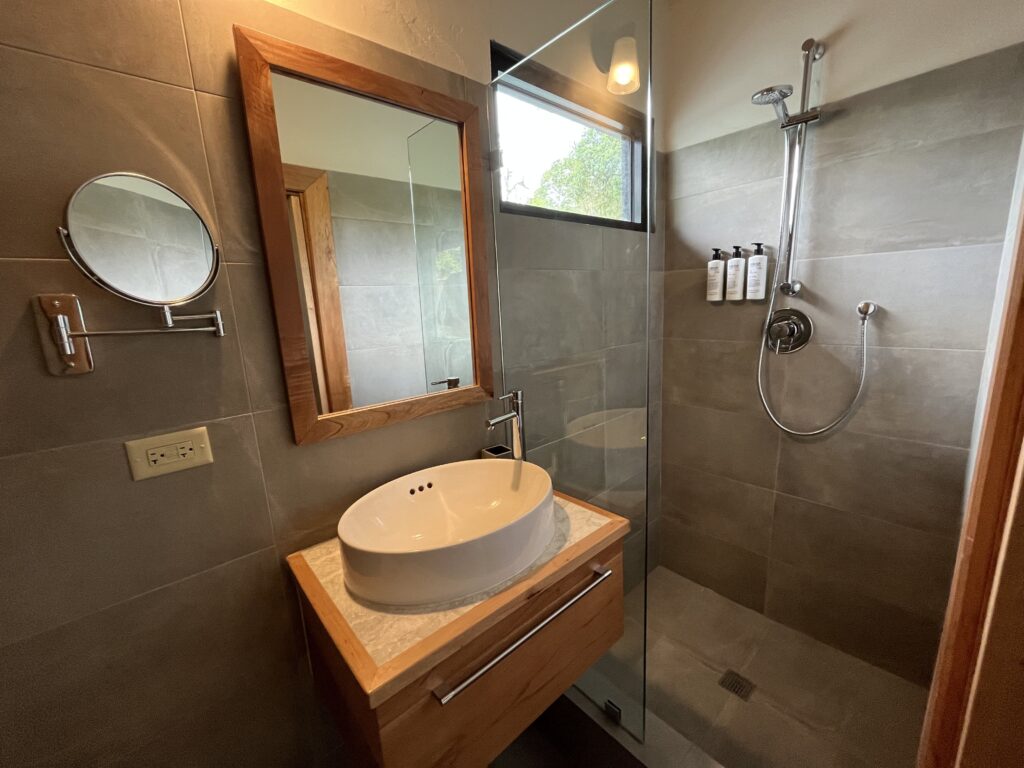
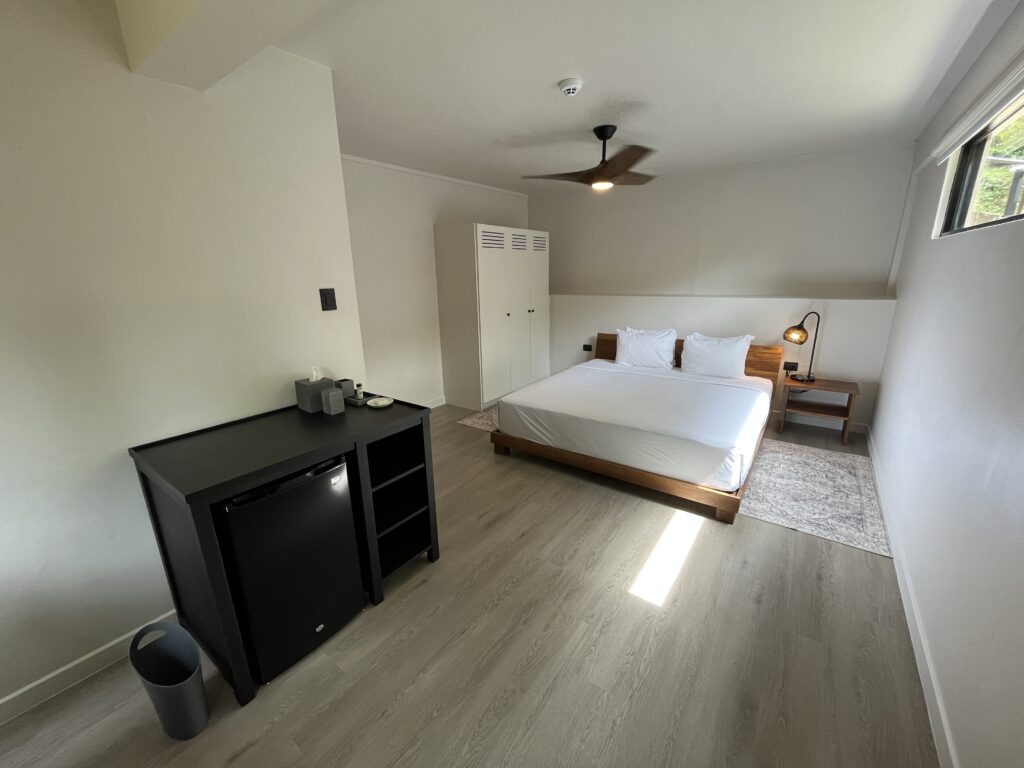
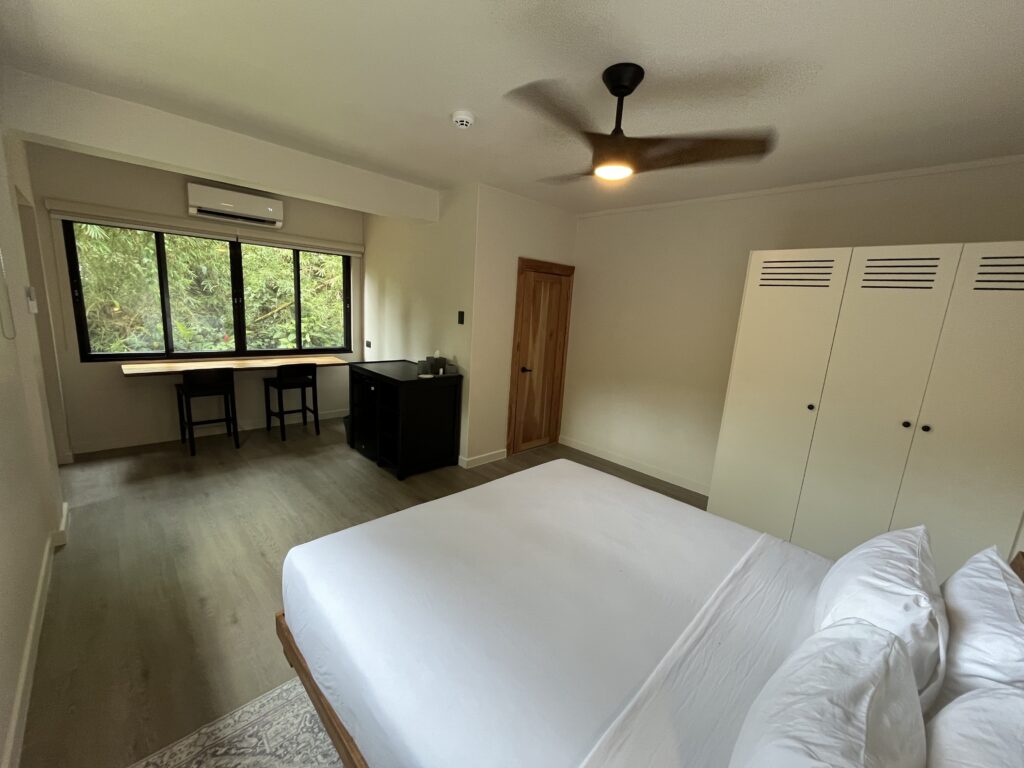
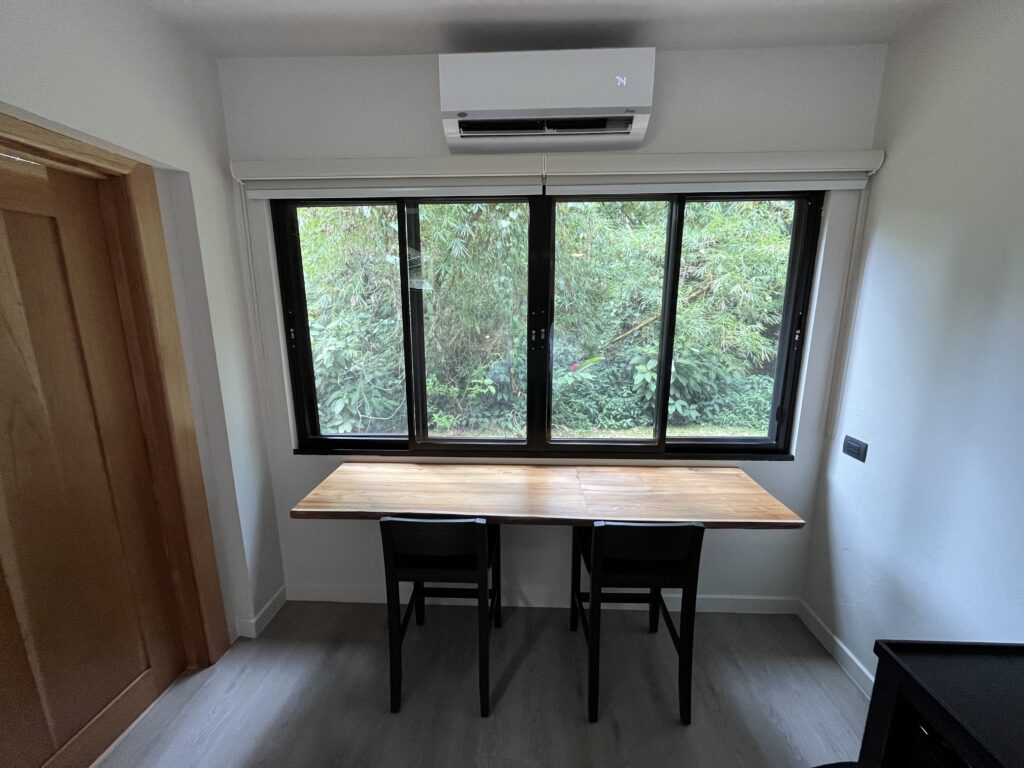
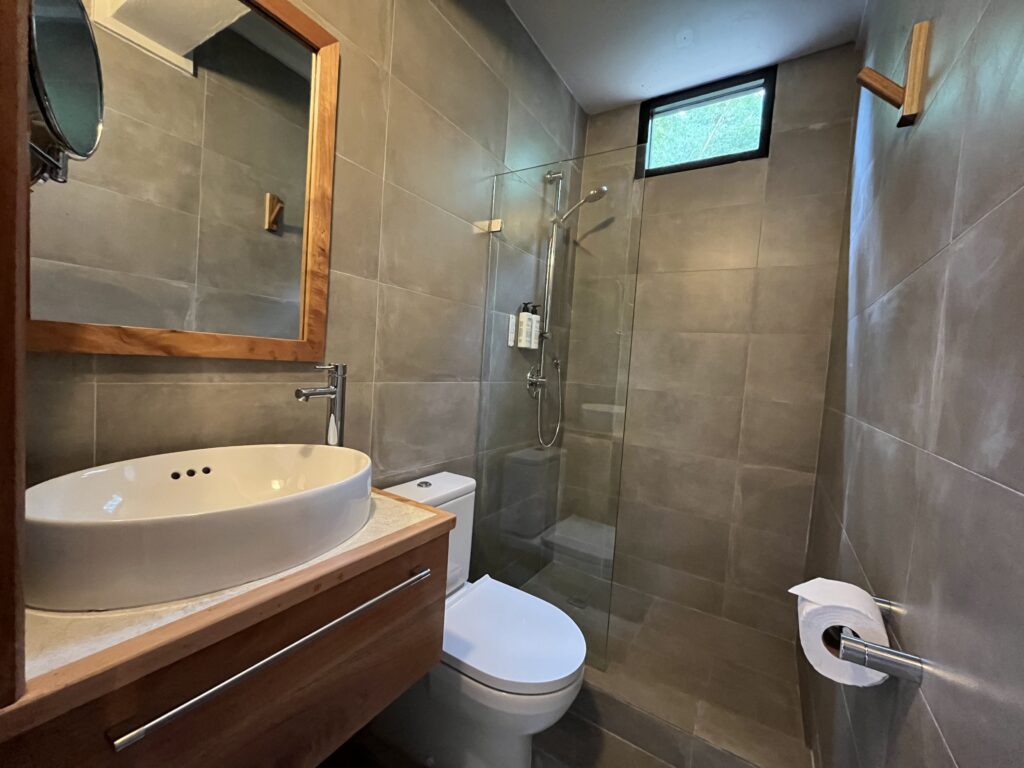
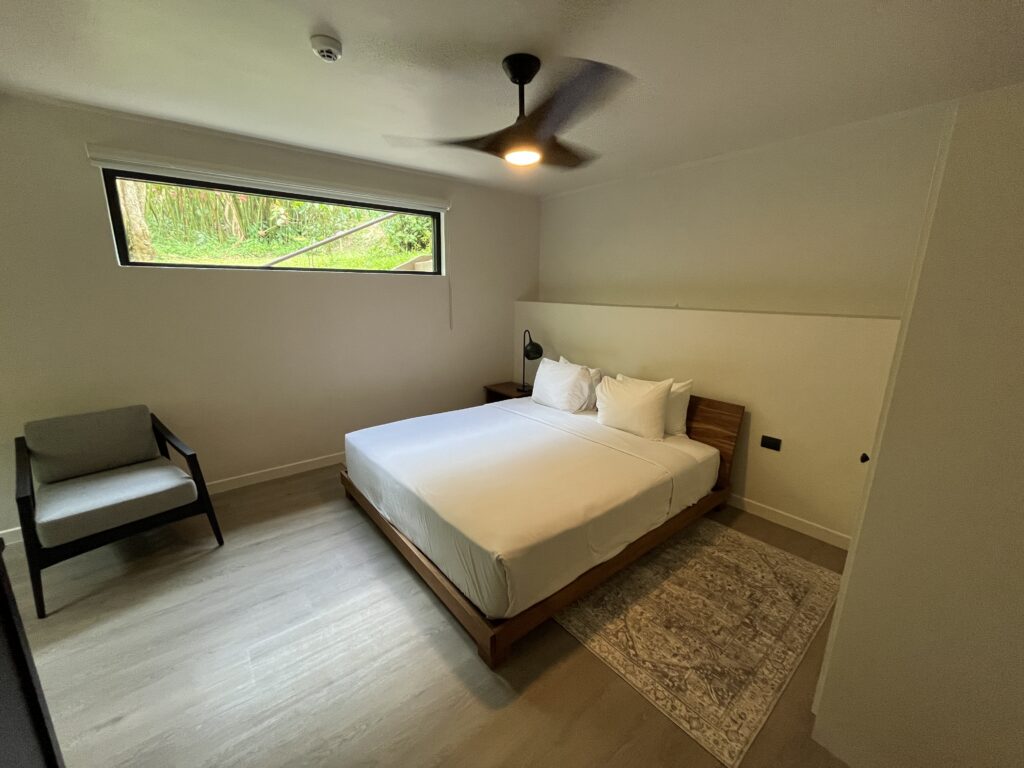
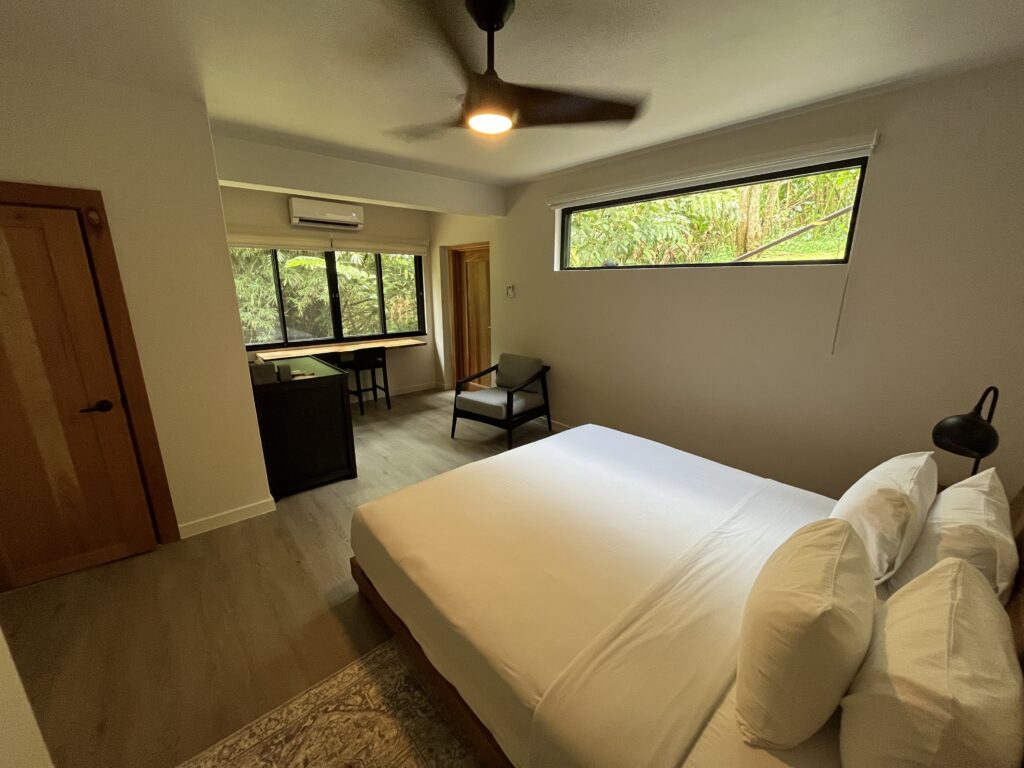
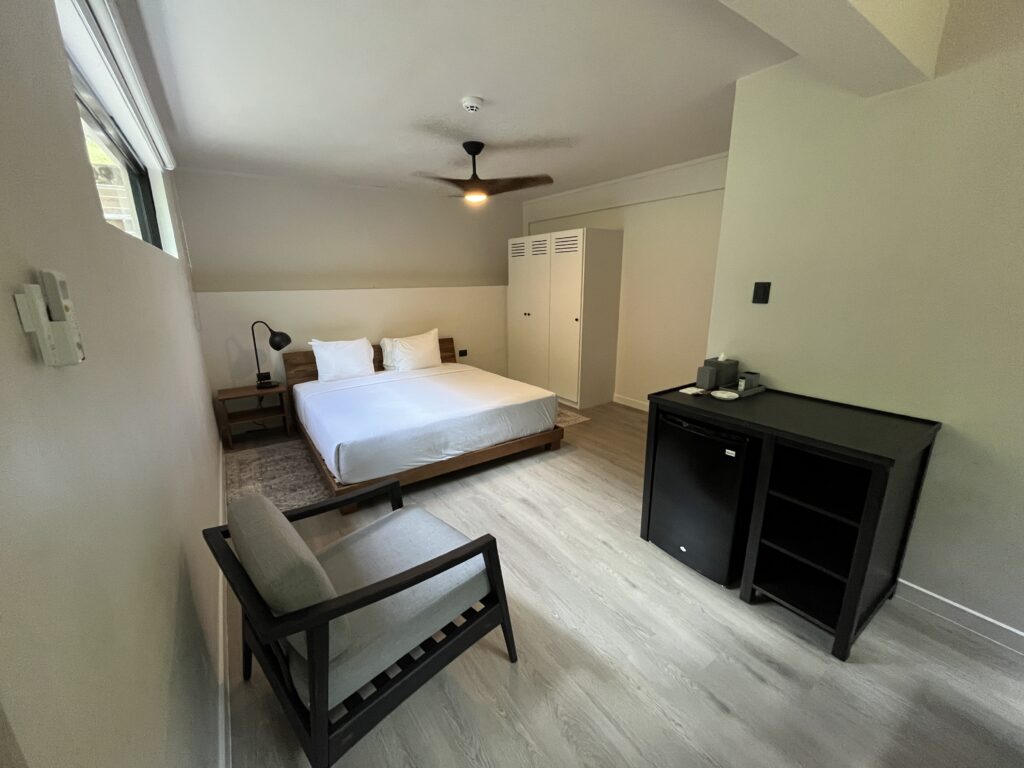
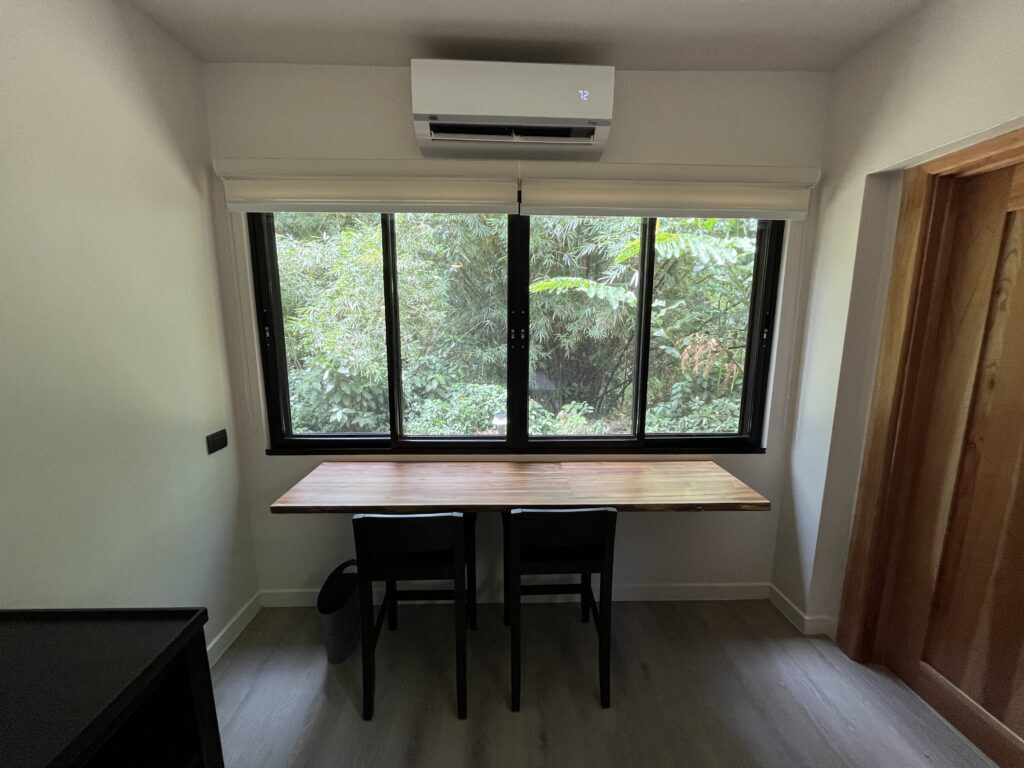
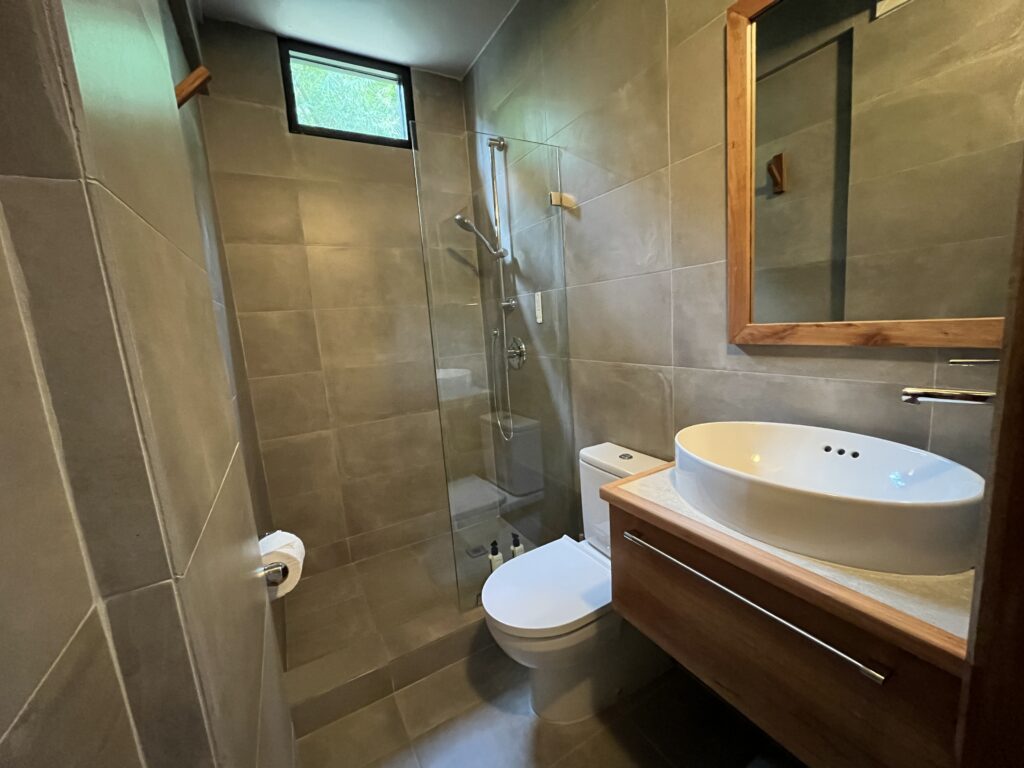
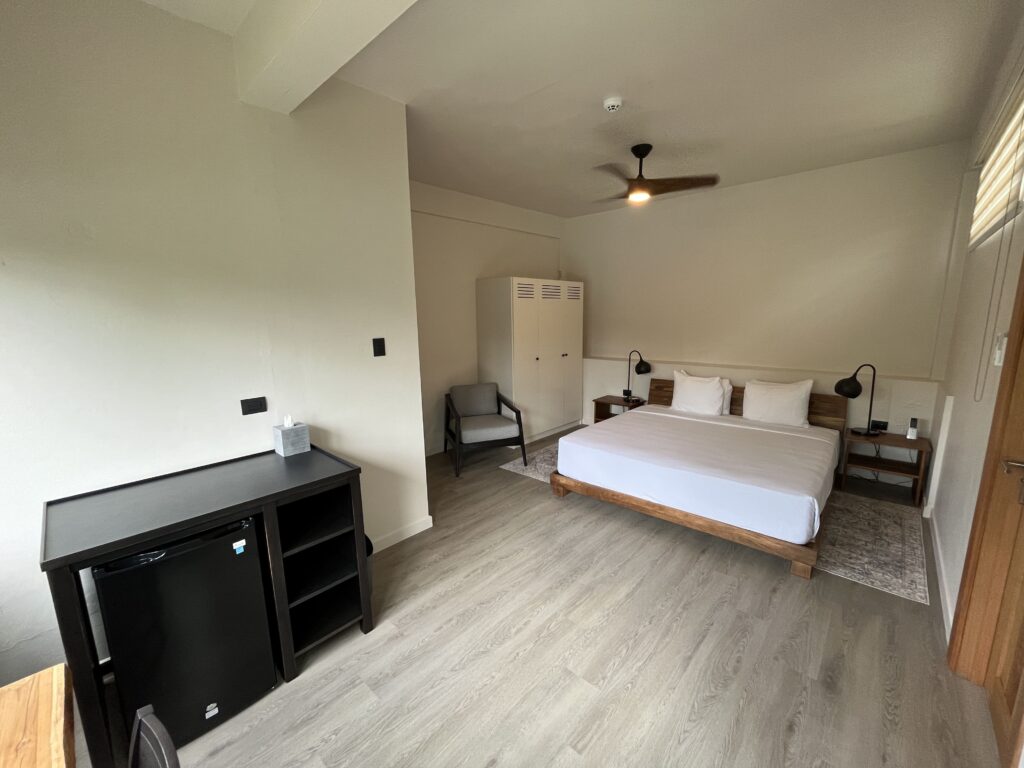
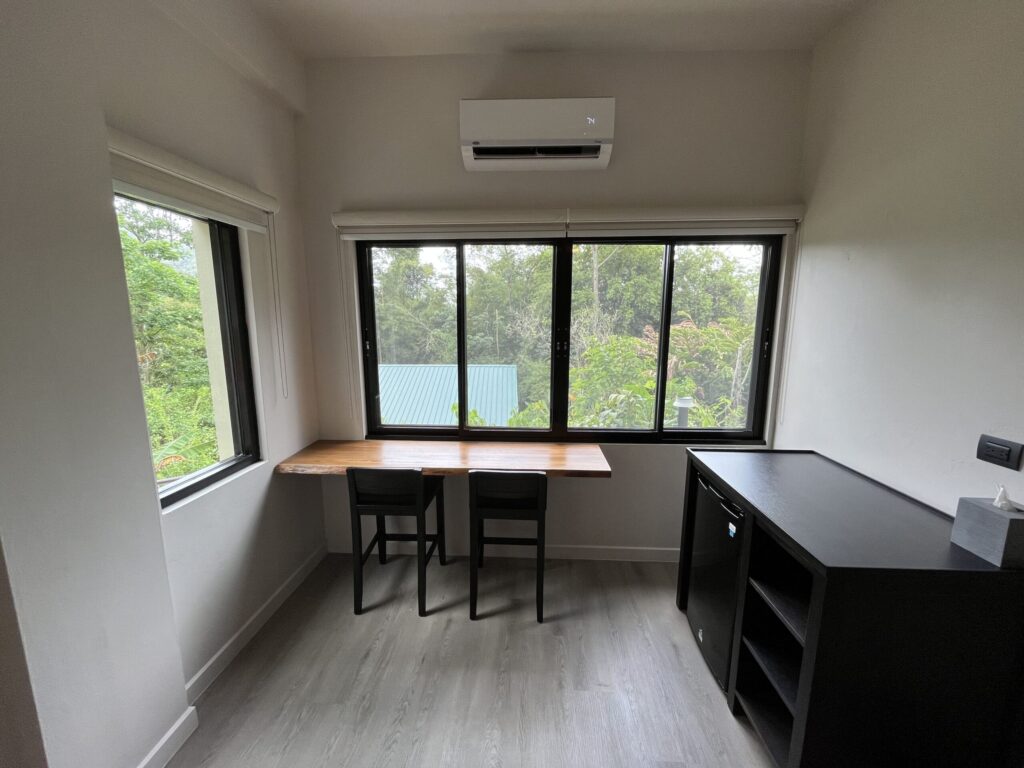
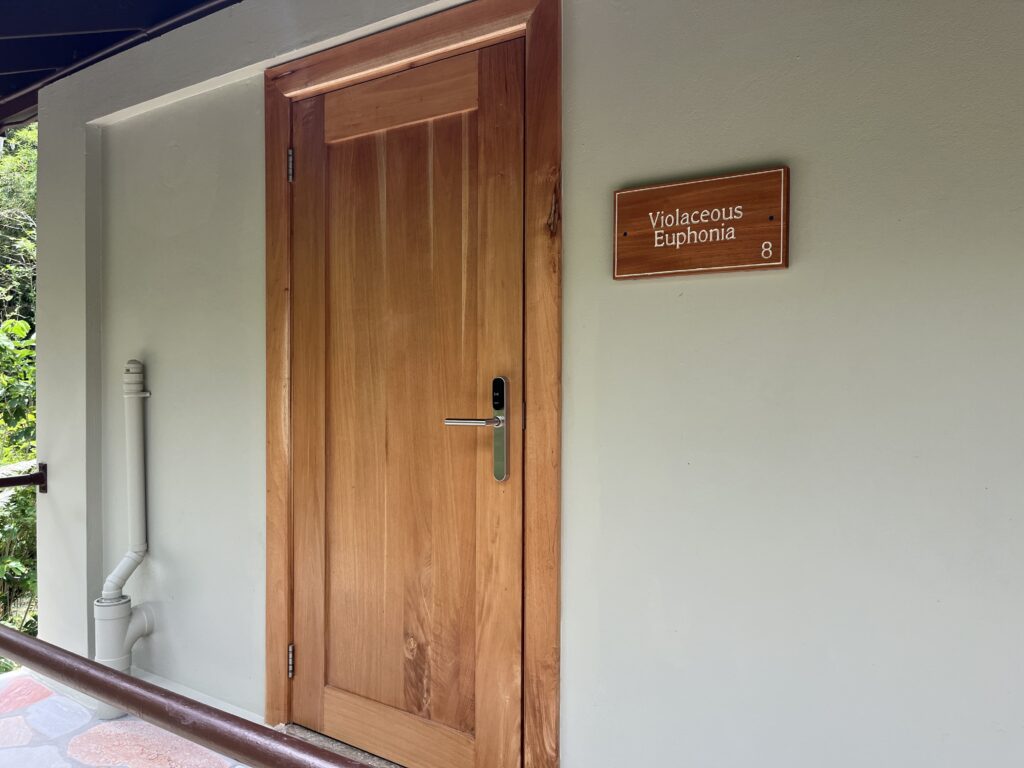
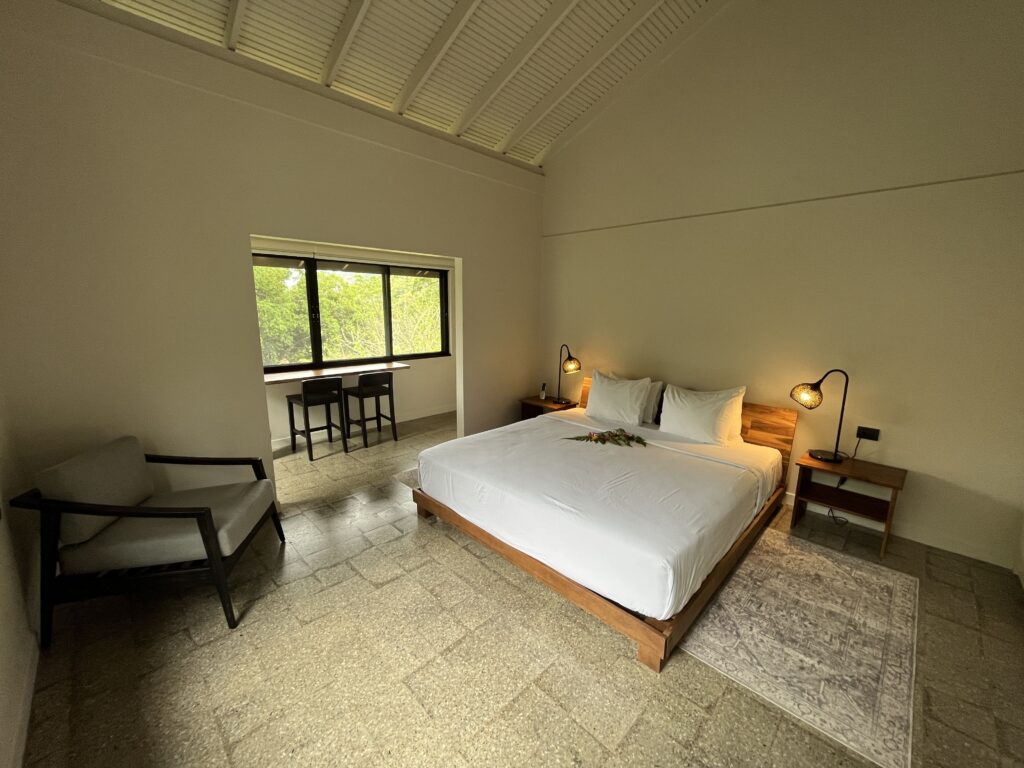
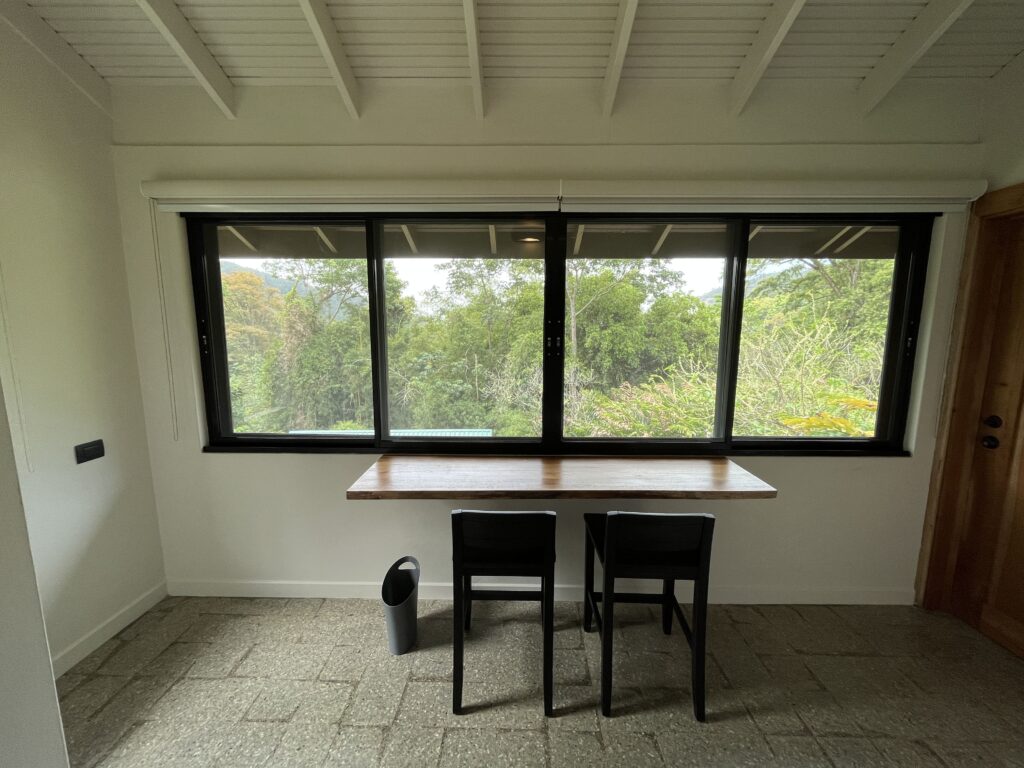
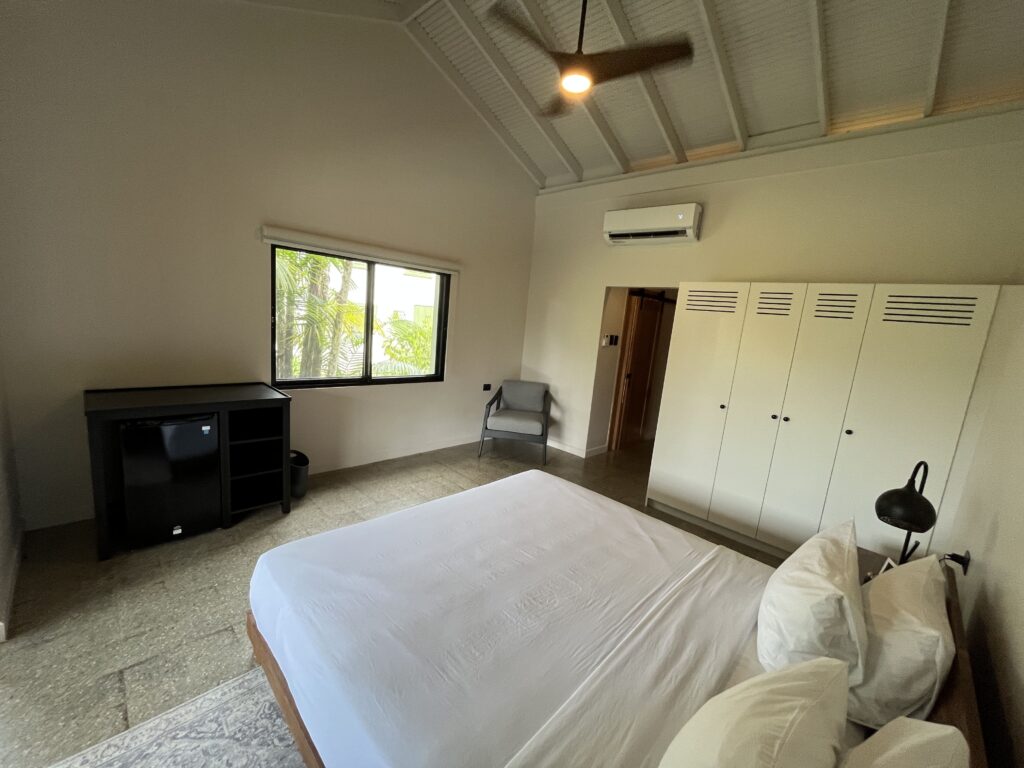
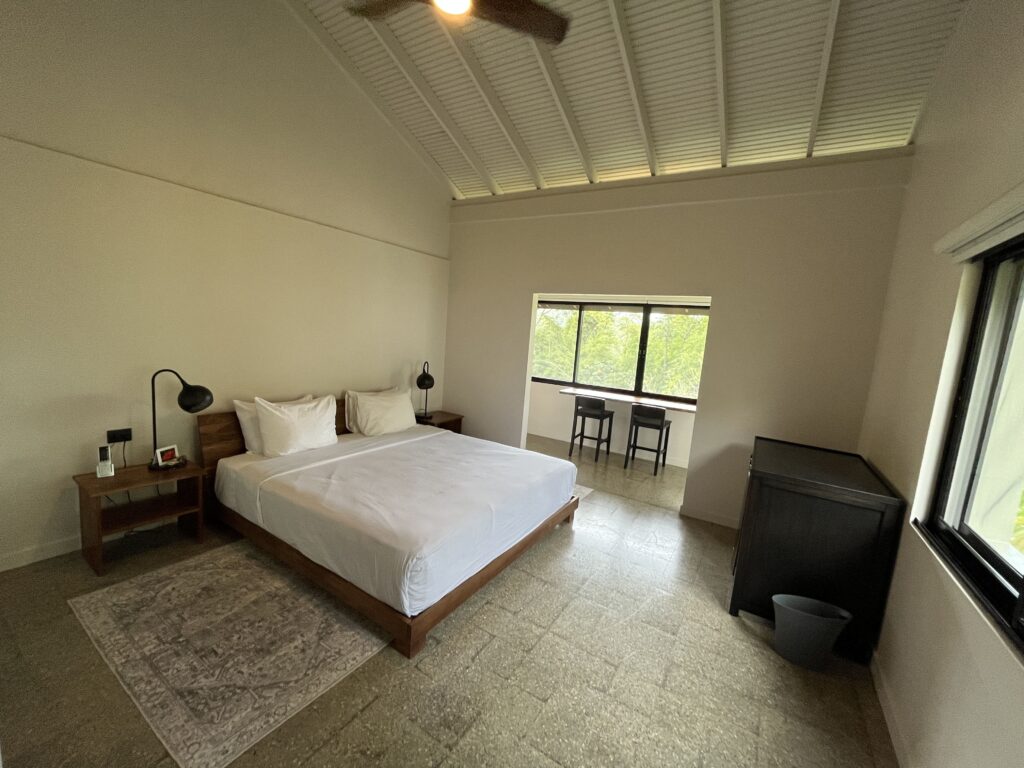
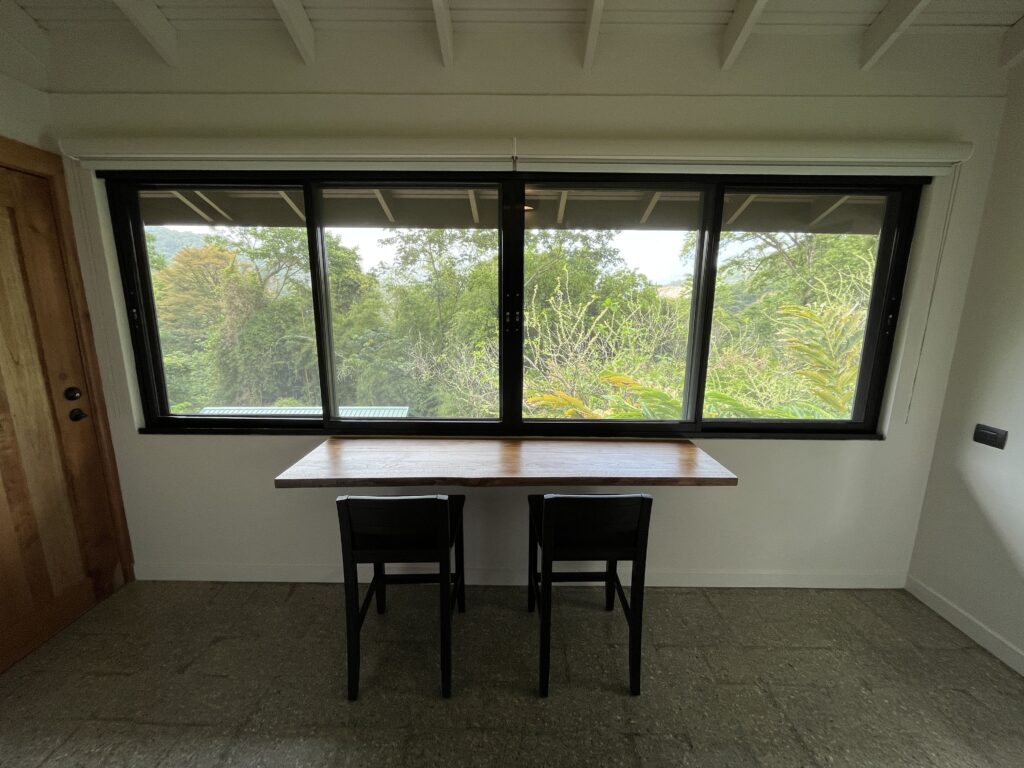
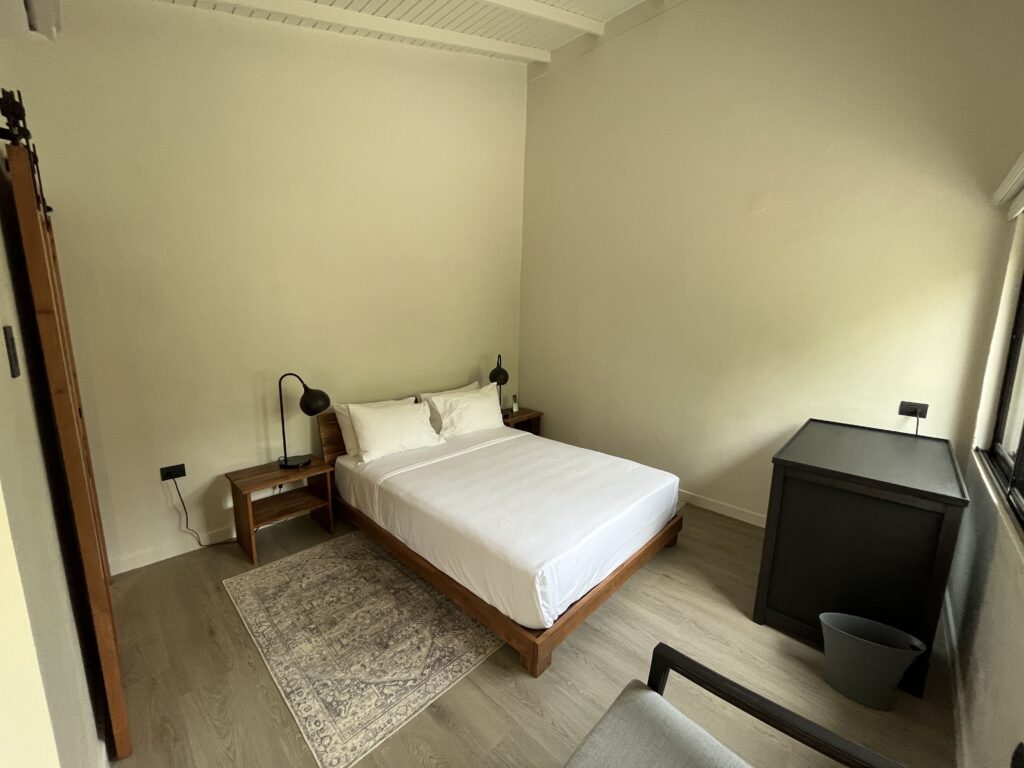
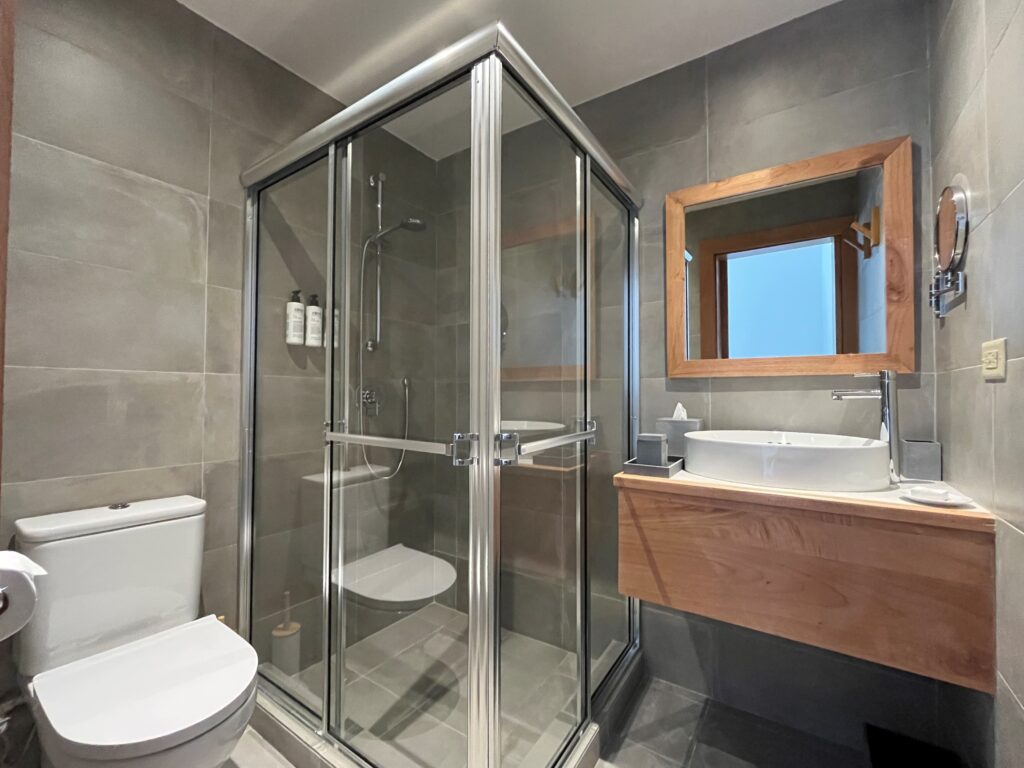
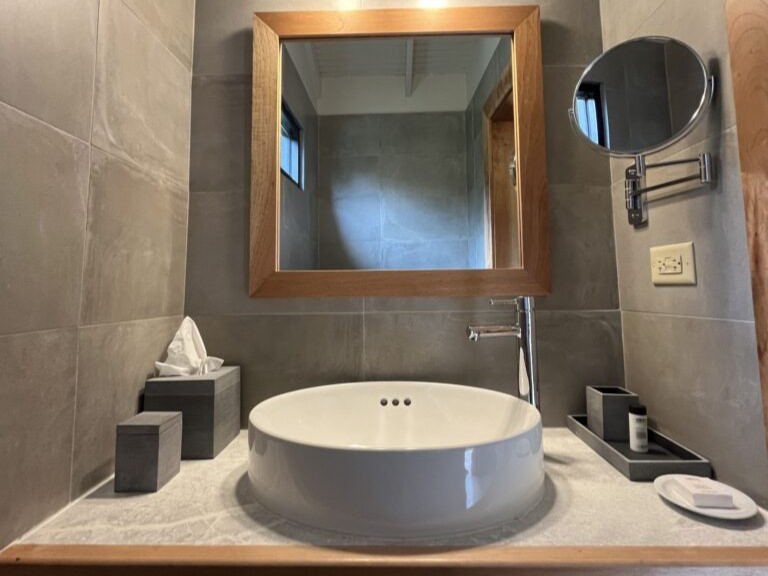
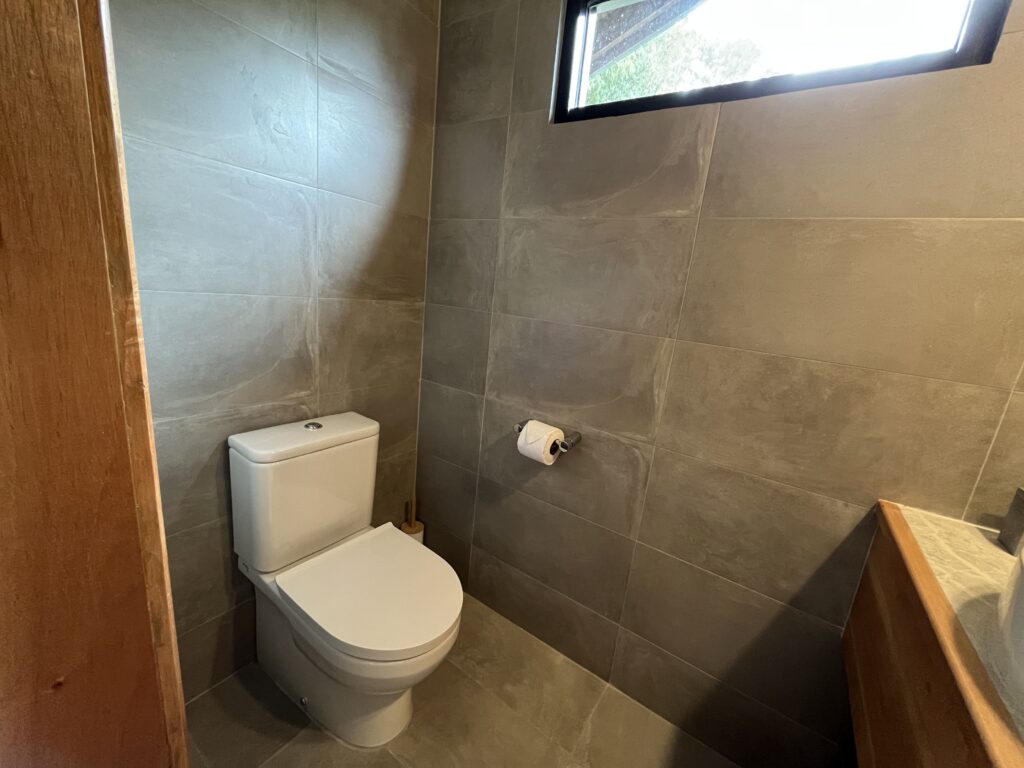
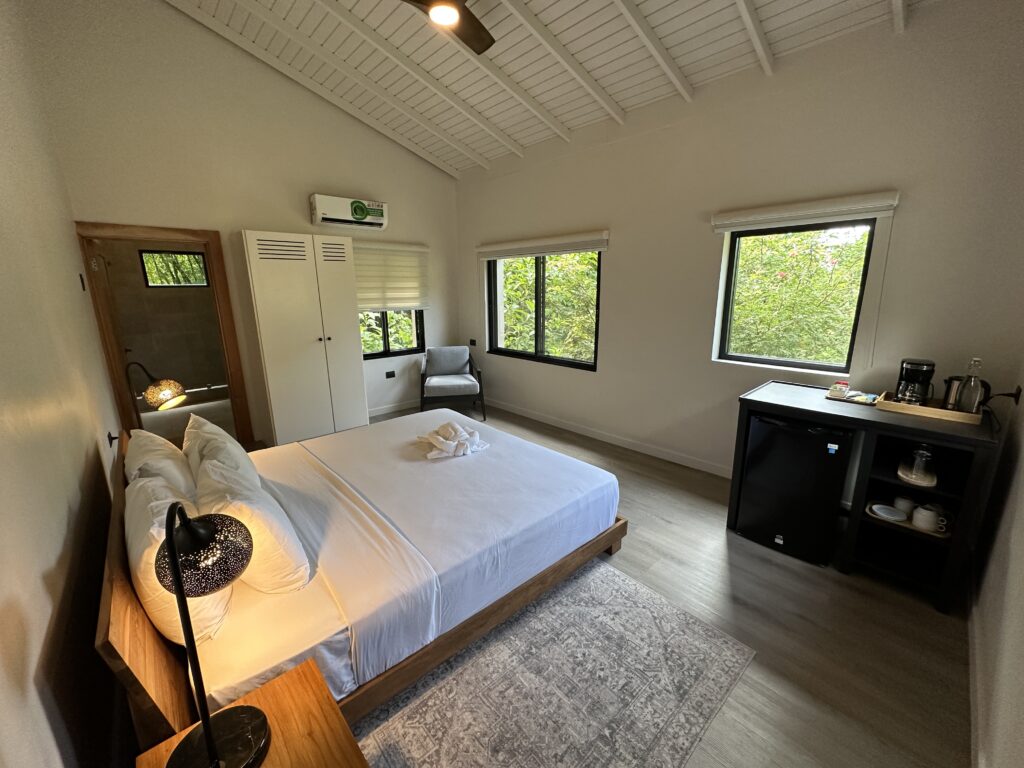
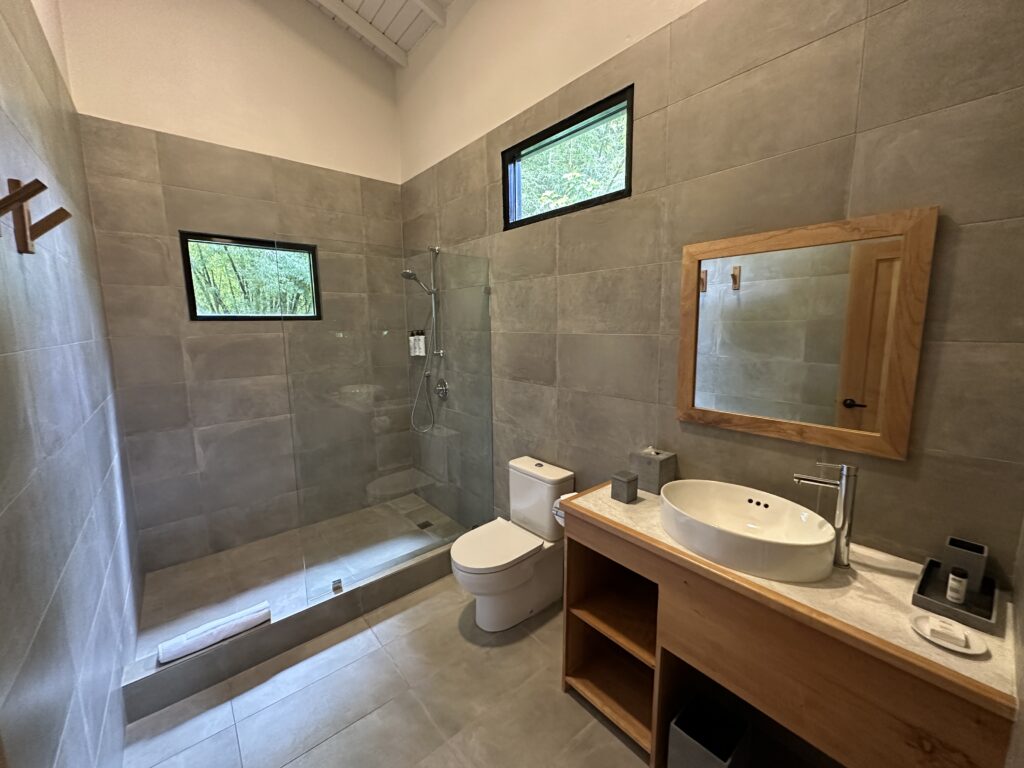
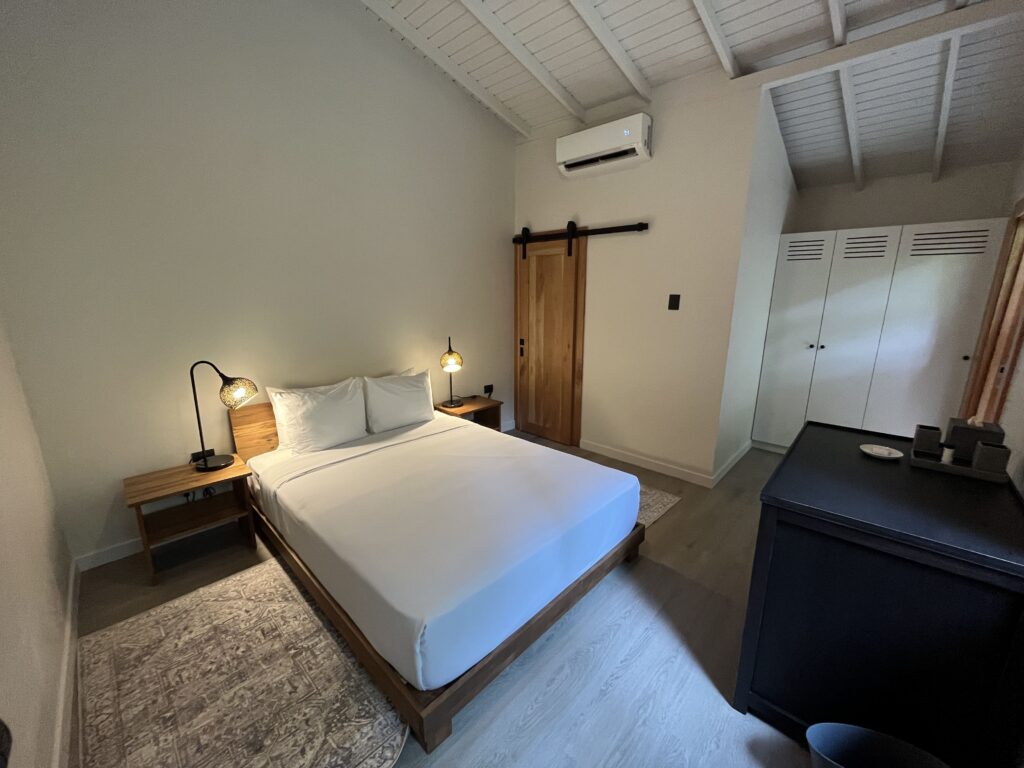
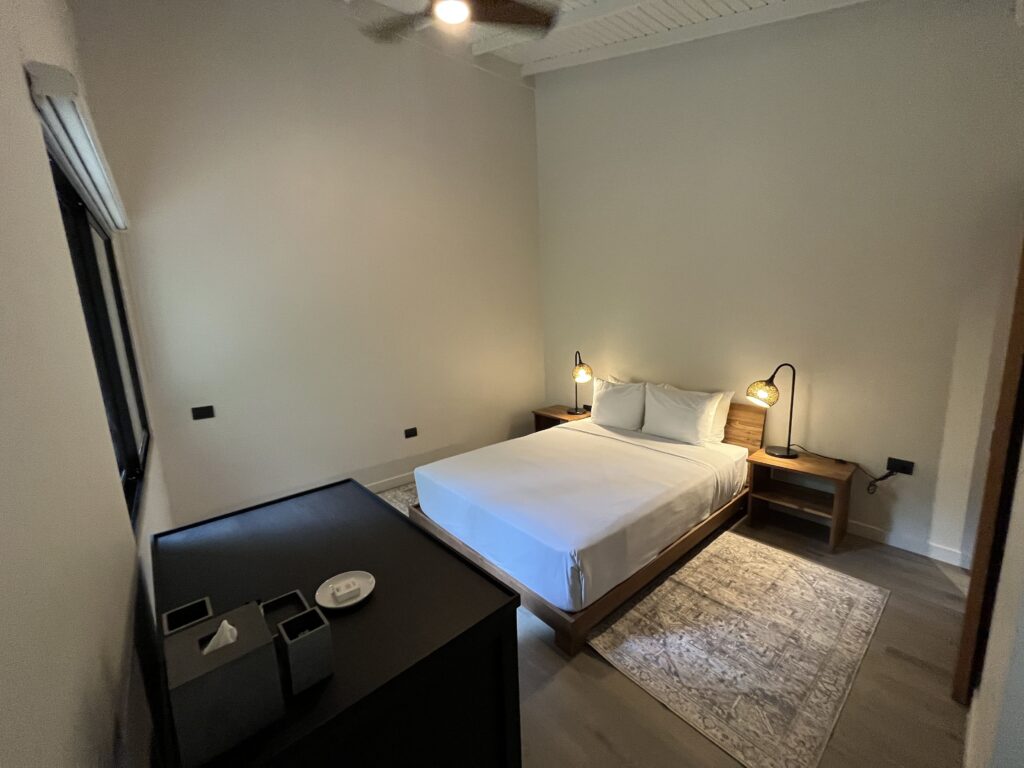
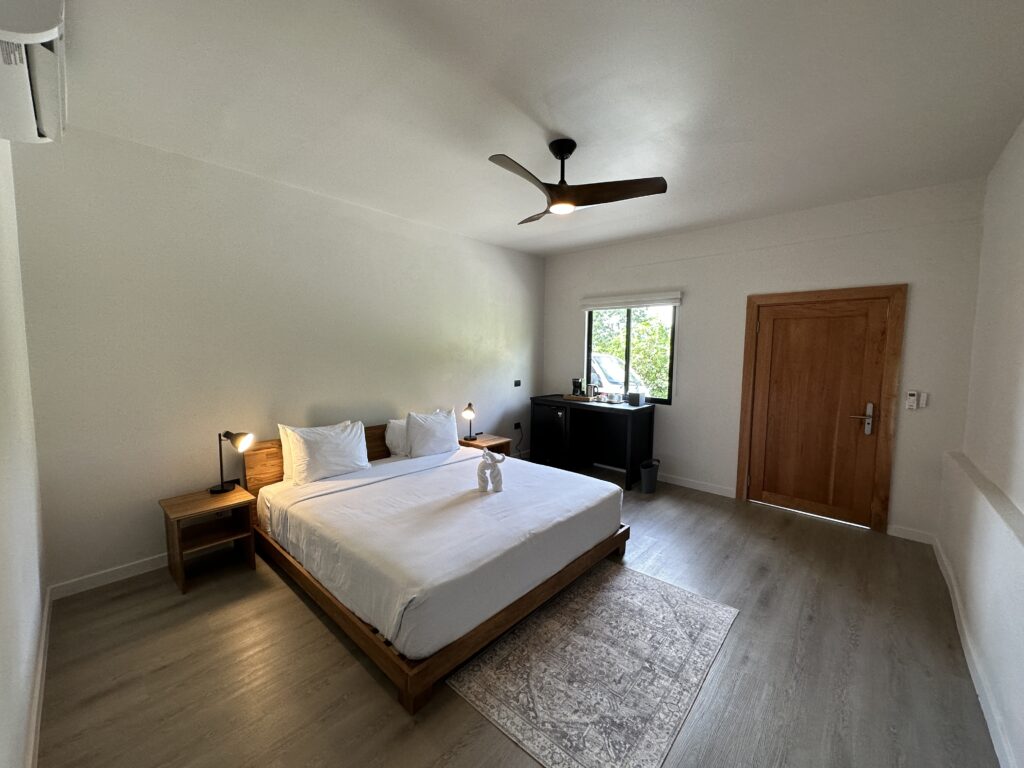
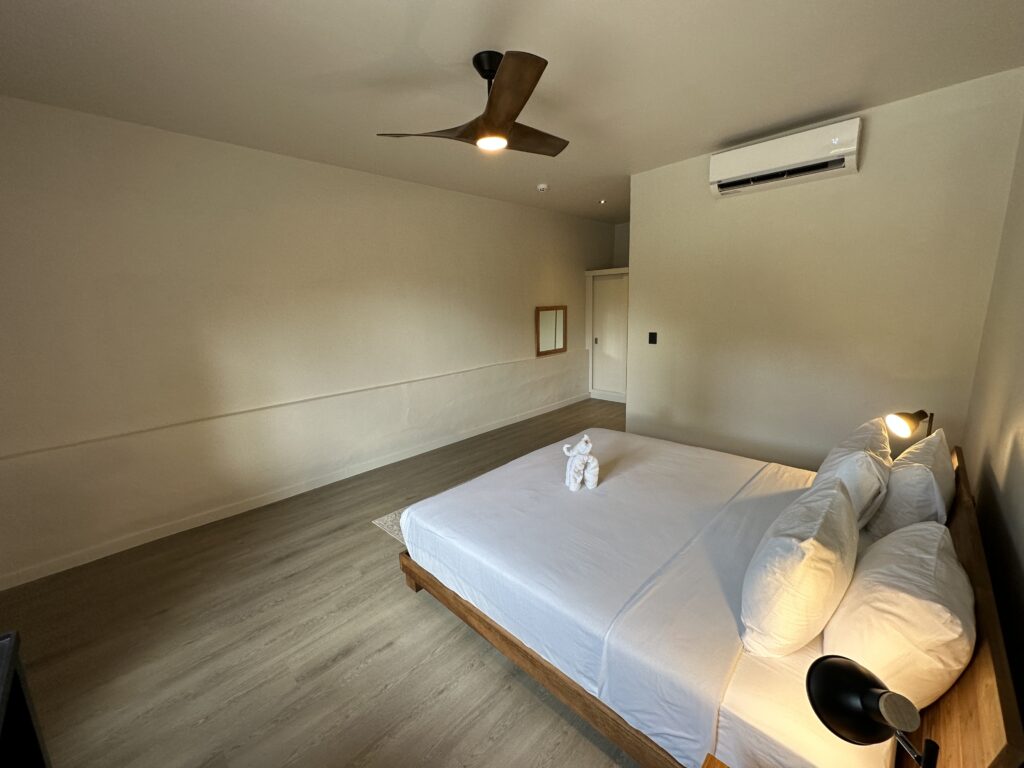
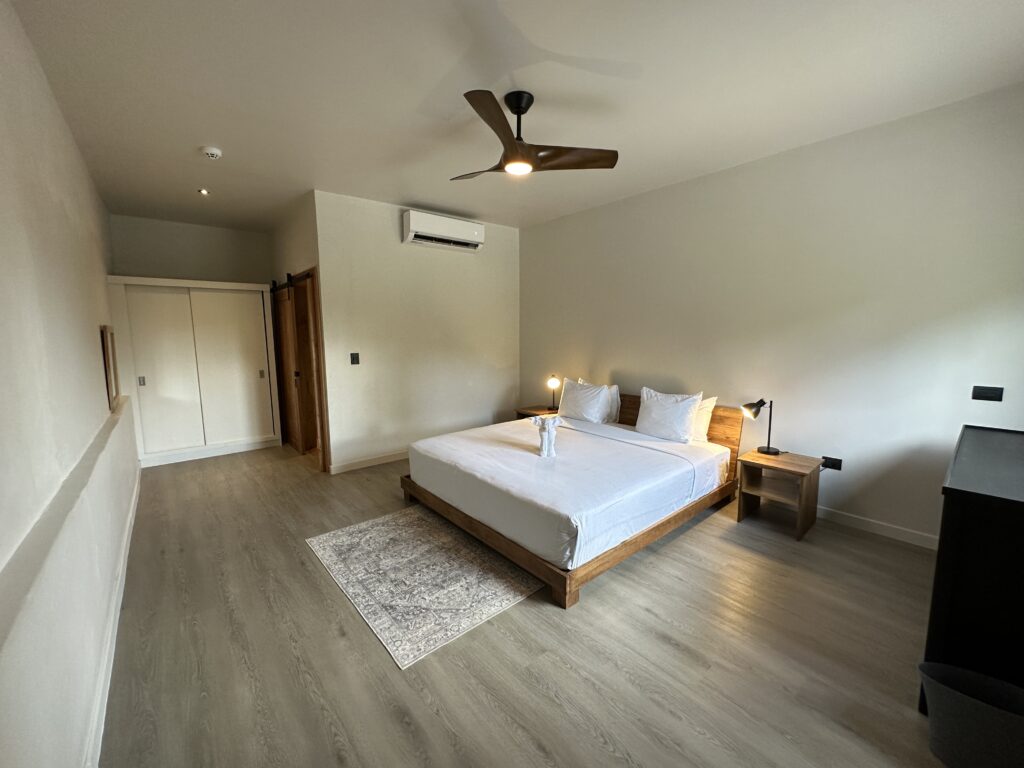
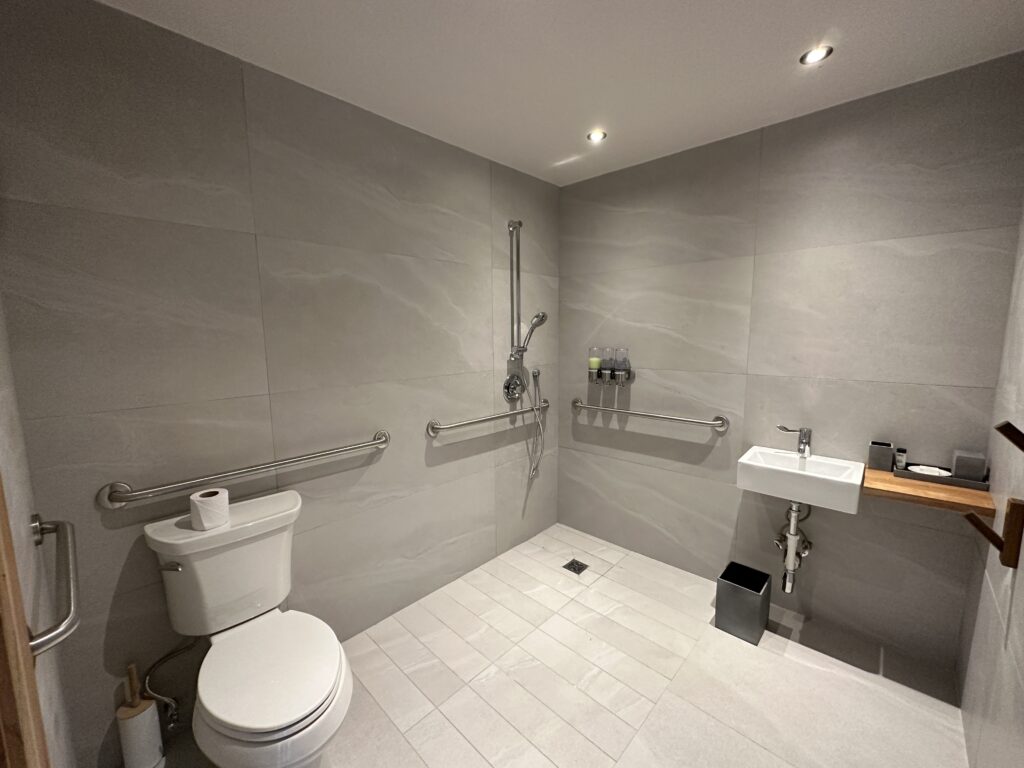
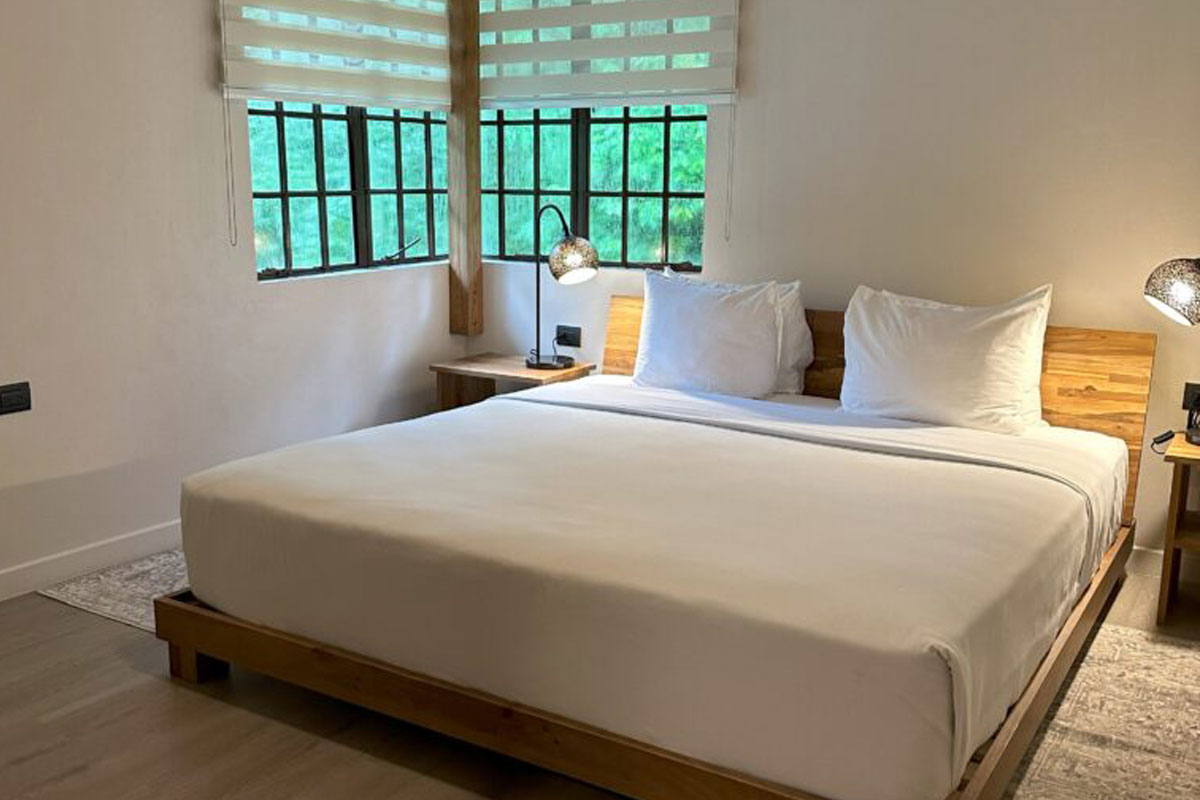
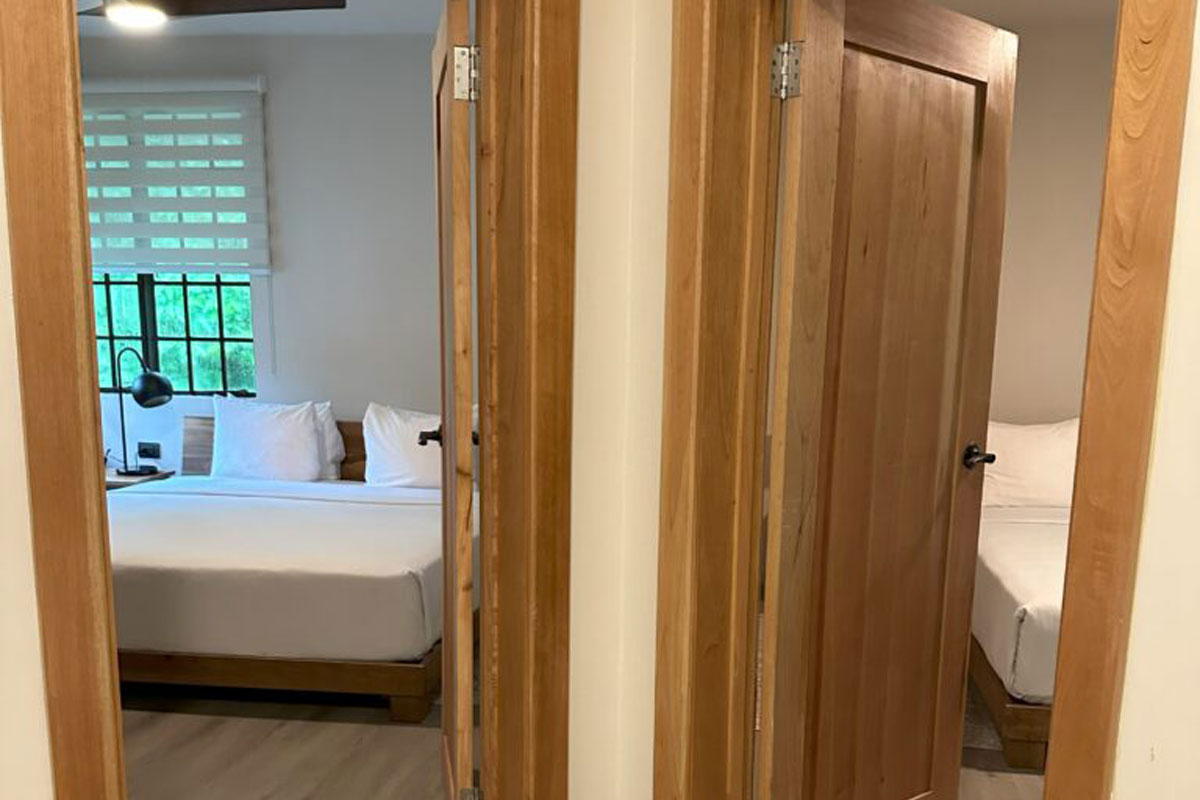
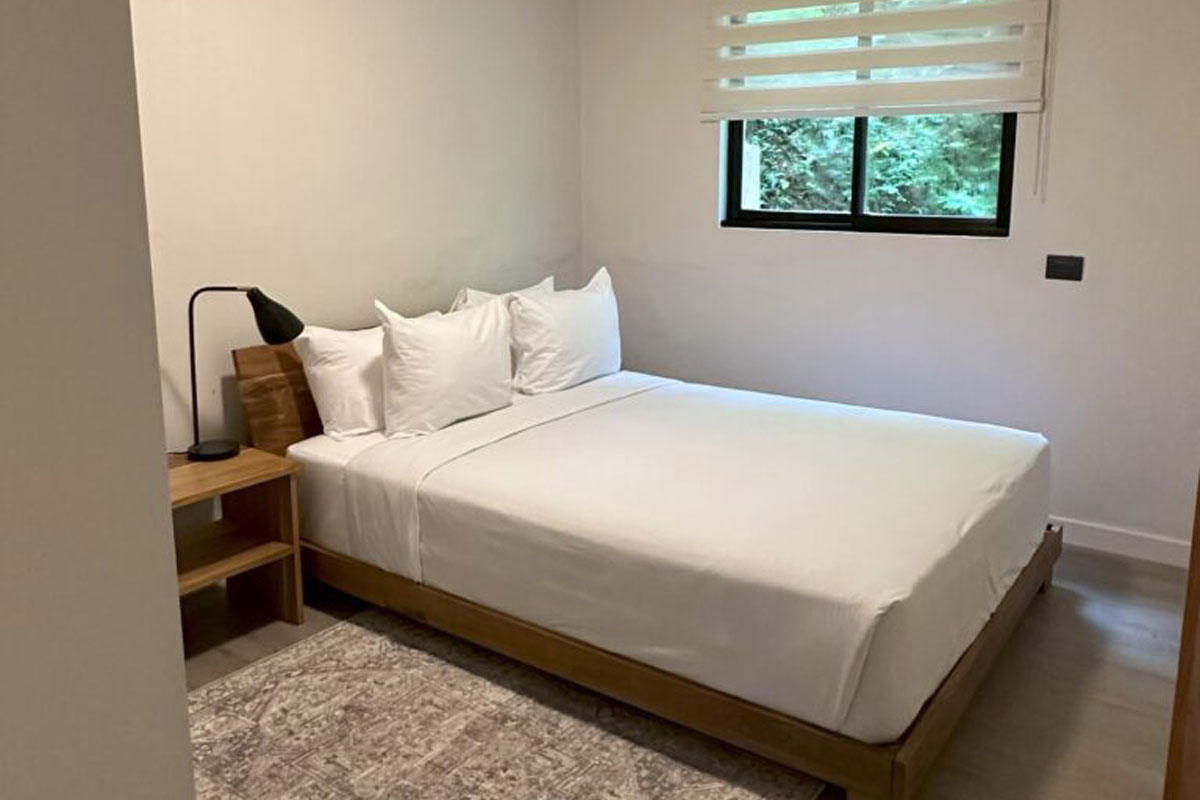
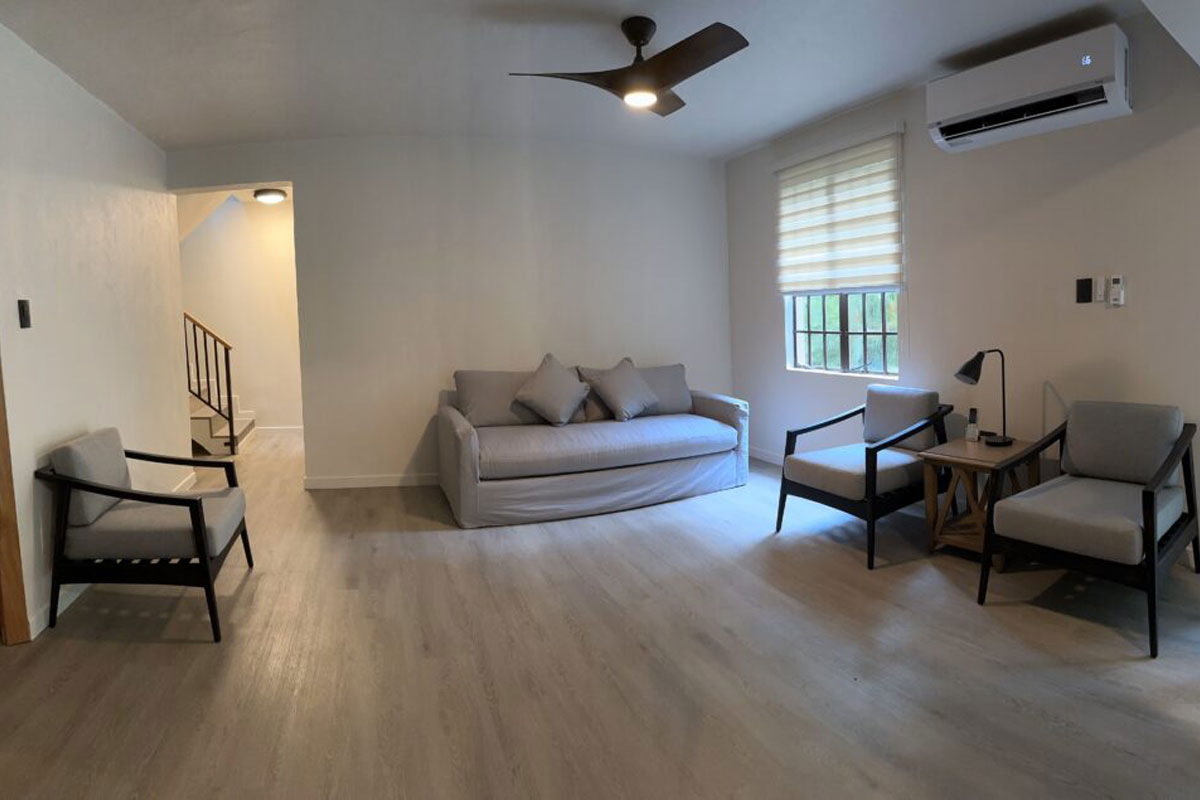
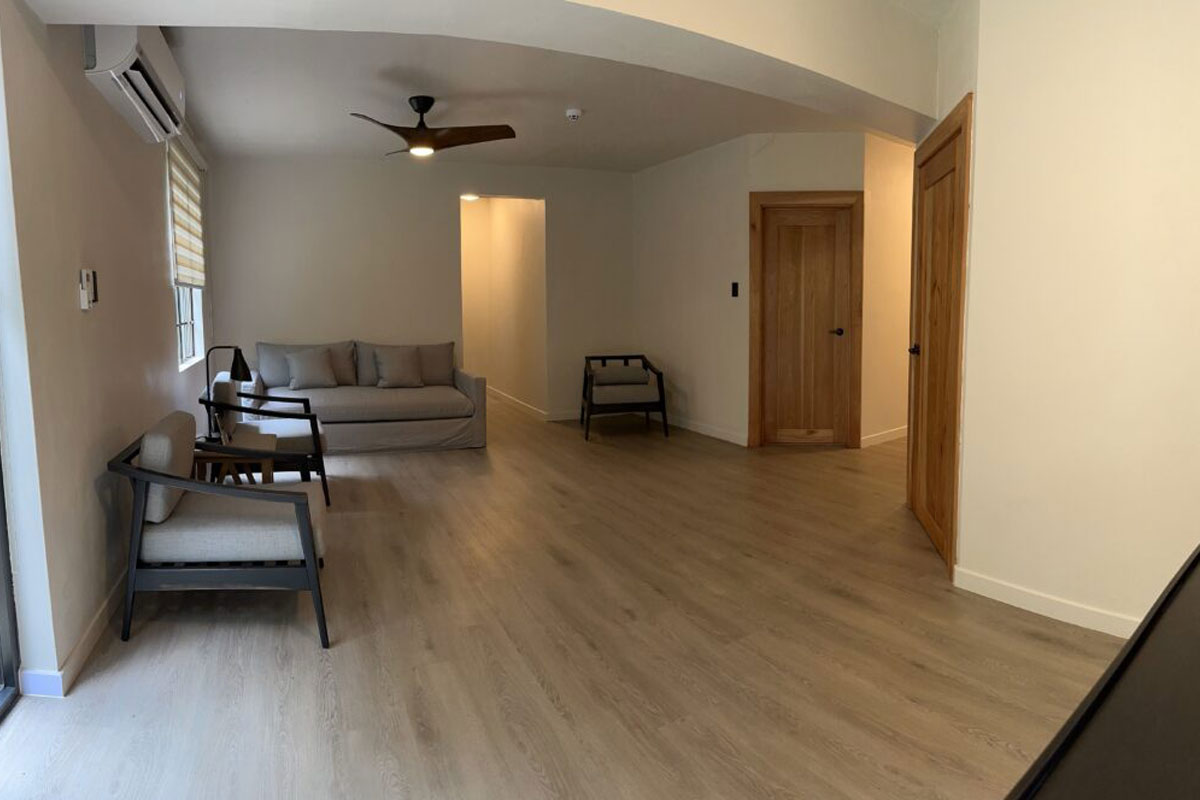
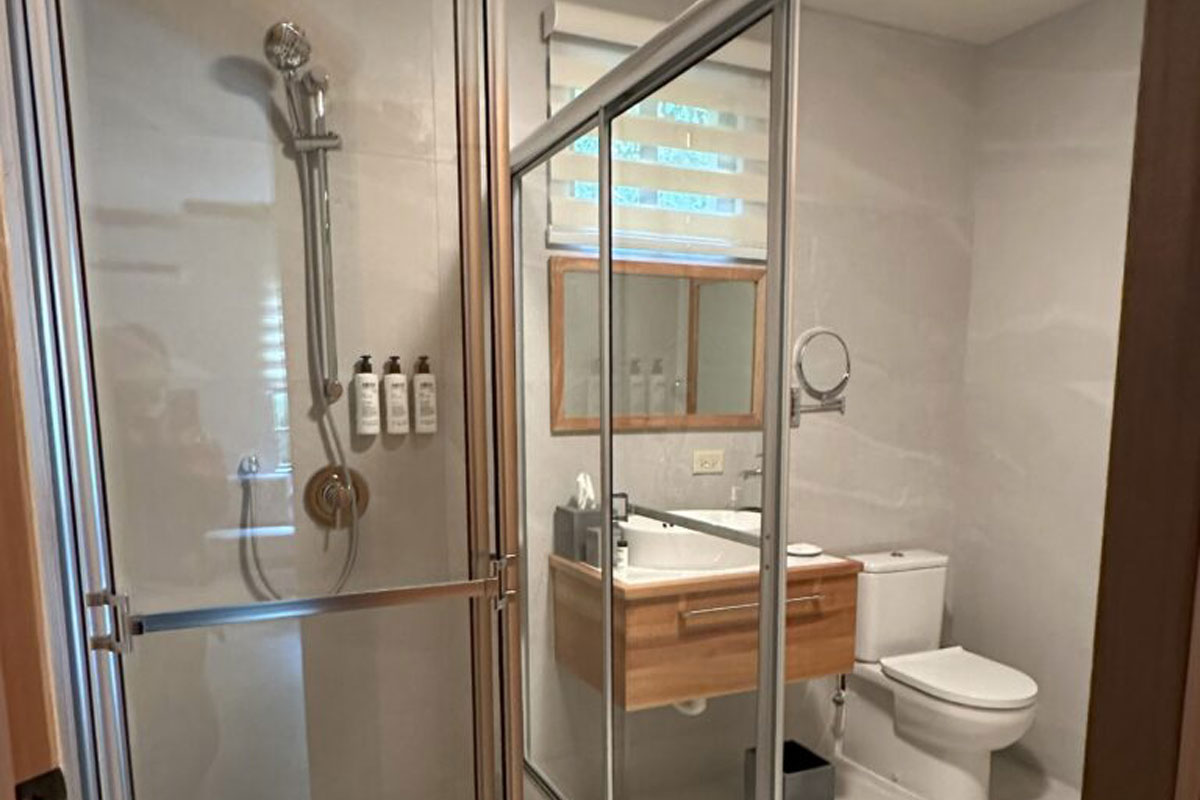
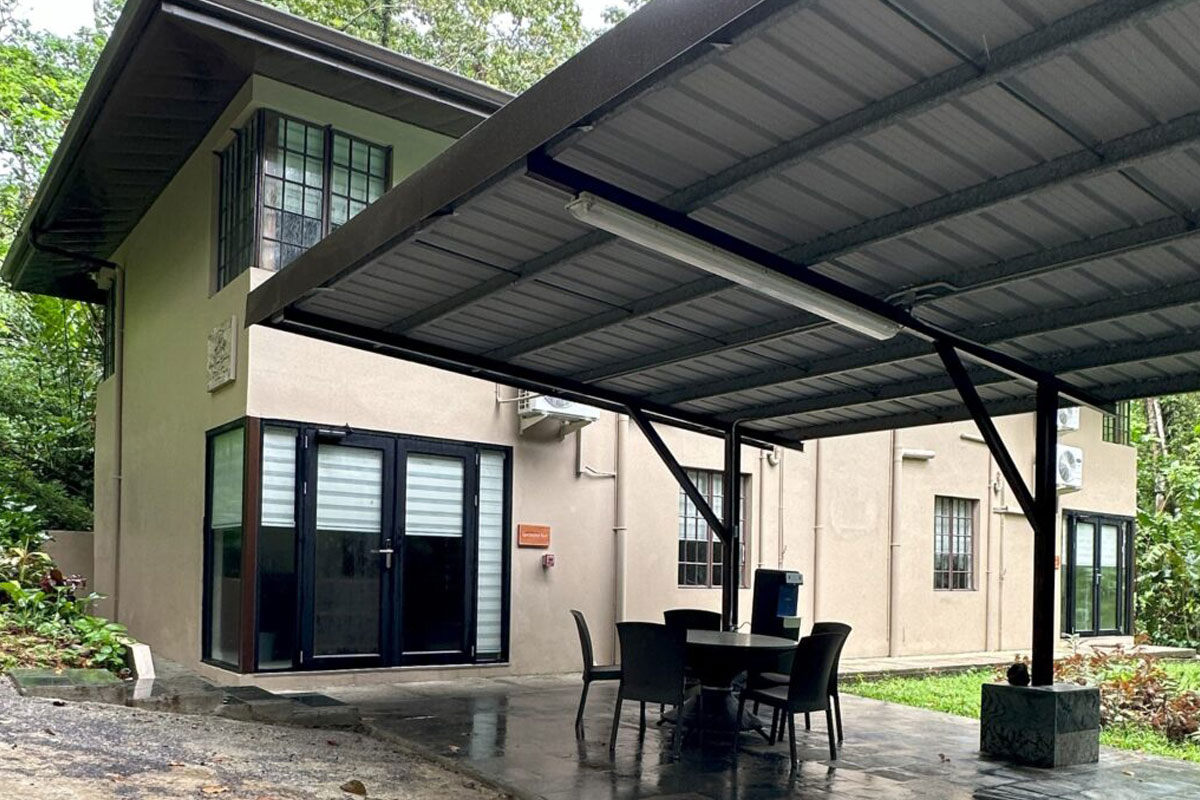
His deep passion for the natural wonders of Trinidad led him to establish HADCO Experiences, a destination management and hospitality division of HADCO Group dedicated to ecotourism and nature travel. As an avid hiker and nature enthusiast, John believes that the rainforests, waterfalls, beaches, and wildlife of Trinidad and Tobago are treasures meant to be experienced and protected. Under his leadership, HADCO Experiences has taken on the management of the ecolodge at Asa Wright Nature Centre following their extensive restoration project of the historical site, ownership of Mt. Plaisir Estate Hotel in Grande Riviere, and management of the nearby Pawi Lodge, creating opportunities for visitors and locals alike to immerse themselves in the country’s natural beauty.
John is also committed to broader leadership and service. A member of the Association of Professional Engineers of Trinidad and Tobago since 1991, he was appointed Honorary Consul of the Republic of Malta in 2014. He further honed his leadership expertise through the Owner/President Management Program at Harvard Business School and currently serves on the Board of Directors of Scotiabank Trinidad and Tobago Limited.
For John, HADCO Experiences was born to invite travelers to reconnect with nature and discover the soul of Trinidad and Tobago while promoting its rich cultural heritage, and supporting local communities and conservation efforts. Whether it’s hiking through untouched rainforests, witnessing the nesting of Leatherback turtles, or sharing the flavors of local cuisine, John is devoted to creating experiences that inspire, restore, and preserve while bringing economic benefits to rural communities across his beloved country.